



MAIN

Troubleshooting(FAQ)

In the event of an emergency

Hinoemata Village, with a population of about 480 people, has only one clinic and no hospitals or facilities catering to international travelers.
To prepare for any unforeseen issues, it’s important to be aware of how to handle matters related to health, finances, language, and communication.

In case of minor health issues img

In case of minor health issues:

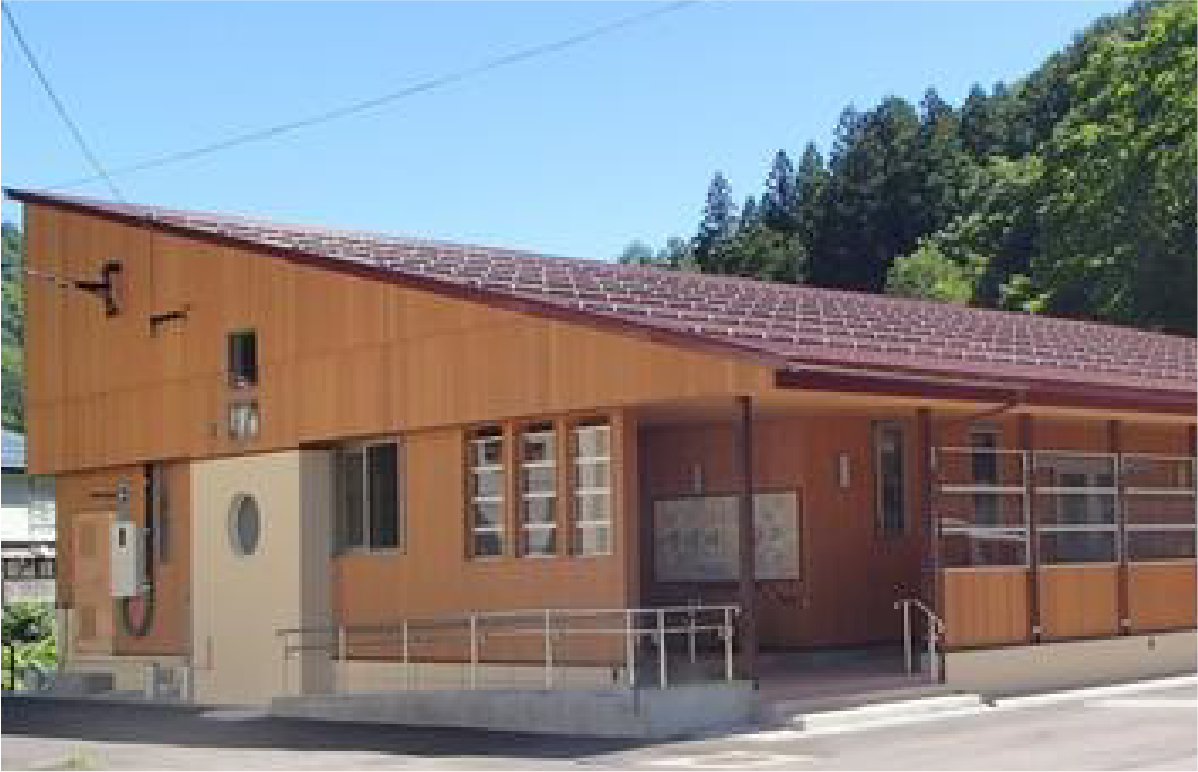
There is only one clinic in the village—Hinoemata Clinic (TEL: 0241-75-2341).It is open on weekdays except Mondays and on Saturday mornings. For symptoms like headaches or mild stomachaches, please visit during clinic hours.

An Emergency Level of Disease or Injuries.

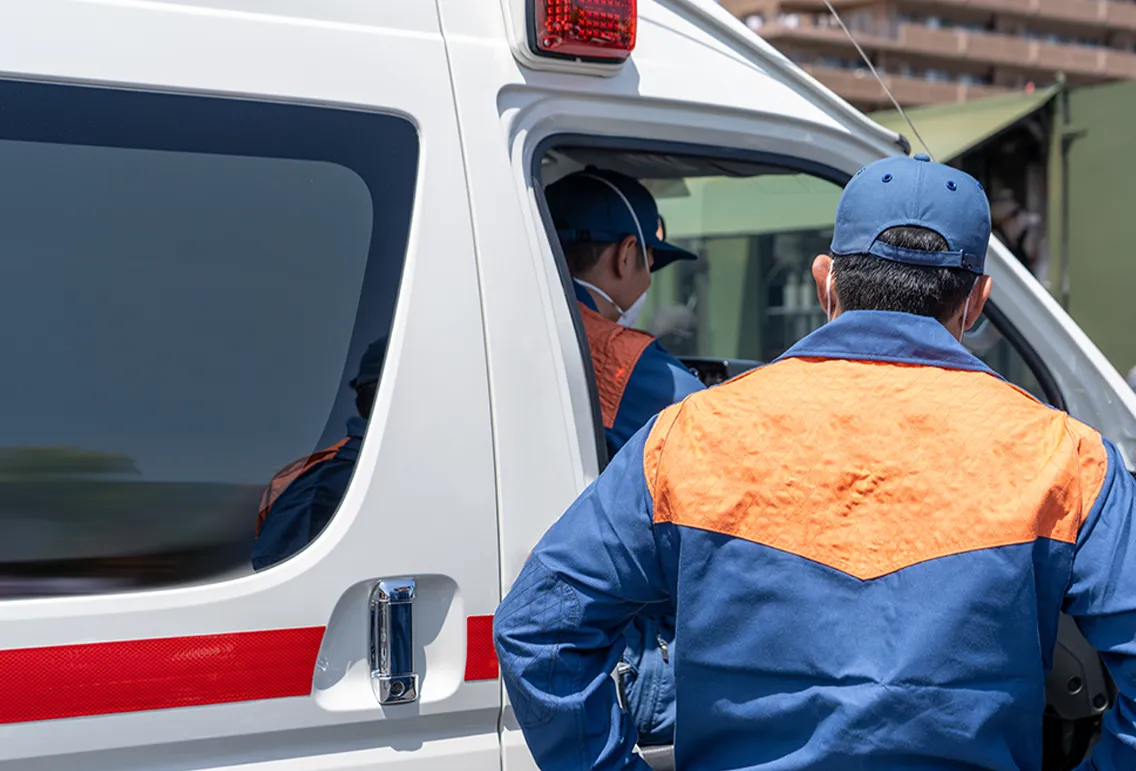
In case of emergencies such as fractures or high fever: In most cases, calling ‘119’ will result in transportation—by car or ambulance—to Fukushima Prefectural Minamiaizu Hospital, located approximately 60 minutes away.
Please note that it may take longer to arrive during nighttime or in bad weather conditions.

There are no pharmacies or drugstores in the area, so be sure to bring painkillers and any regular medication with you. The nearest large drugstore is around Aizu-Tajima Station, which is over 50 km away from the village.

An Emergency Level of Disease img

About Money img

About Money

Basically, if you plan to use cash, you’re unlikely to run into any issues. Some facilities do accept cashless payments, but carrying about 10,000 yen per day plus some extra cash for the number of days you’ll be staying is recommended for peace of mind.

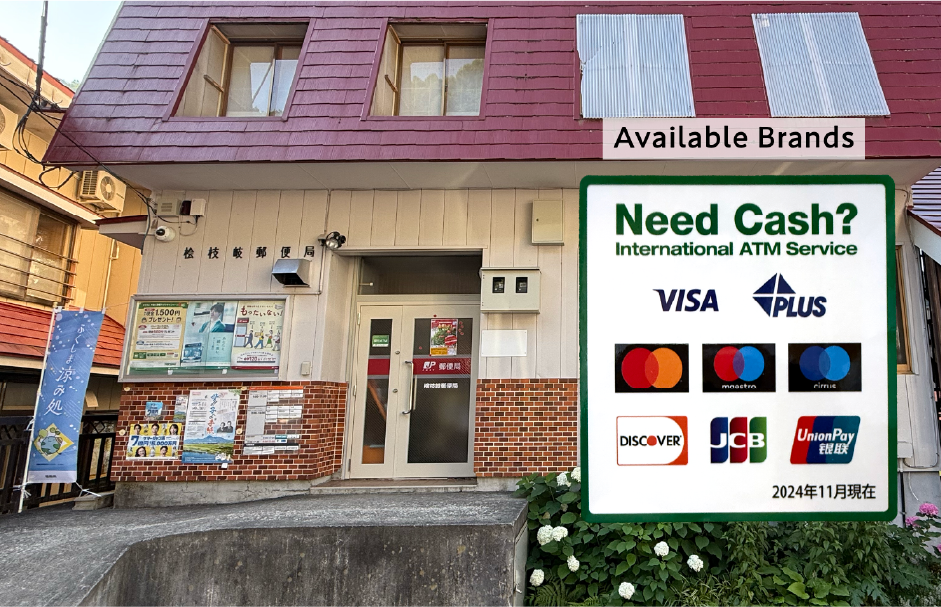
Within the village, only the Hinoemata Post Office ATM (Weekdays 9:00–17:30 / Saturdays 9:00–17:00 / Sundays & Holidays 9:00–15:00) accepts international cards.*Please note that it is not available late at night, so be sure to check your balance in advance.

Within the village img

caution img

At the ATM inside Hinoemata Post Office, cards bearing any of the following brands.

VISA, PLUS, MasterCard, Maestro, Cirrus, JCB, China UnionPay, and DISCOVER.

About Communication within the Village

Communication img01

Communication img02

Communication img03

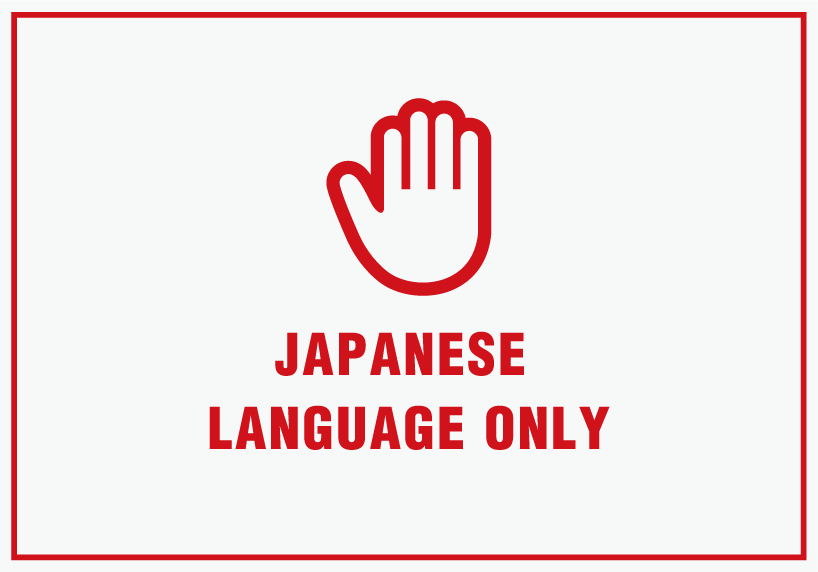
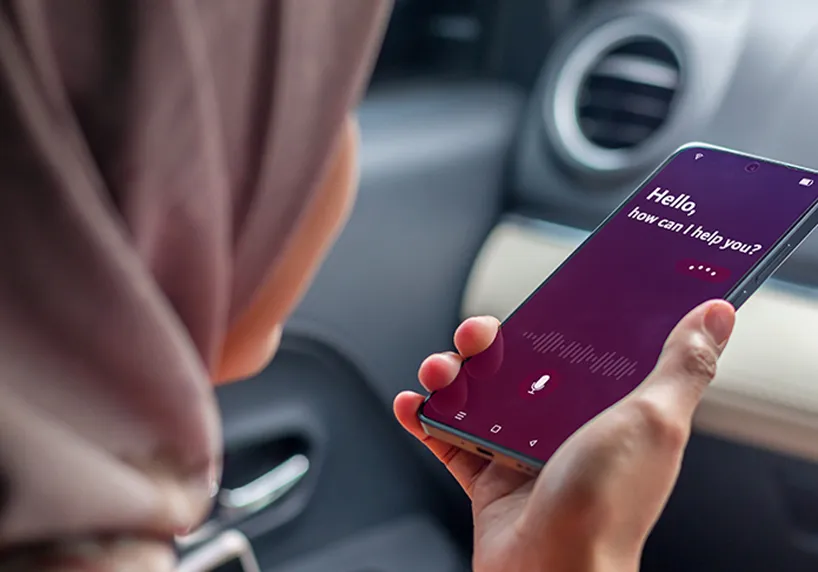
Please note that services in the village are available almost exclusively in Japanese. So please prepare by taking photos of Japanese menus and installing an offline translation app.

Only the tourist association and a few accommodations offer support in little English.

For added peace of mind, print out or save in your phone's notes some useful Japanese phrases for medical consultations, food allergies, or notifying delays.

Connectivity and Internet Access img

Connectivity and Internet Access.

There are areas with weak signal reception even along the Ozenuma Route and in the village center. Be sure to download maps in advance or carry a pamphlet with a map. It’s also a good idea to share your travel itinerary with family or friends beforehand.
Free Wi-Fi is available at the tourist information center and is accessible at many mountain lodges and accommodations. However, please note that there is no connectivity at all along trekking trails and boardwalks.

The final Aizu Bus departs from ”Michino-eki Oze Hinoemata” around 4:40 PM, depending on the season. Since arranging a taxi can be difficult if you miss the bus, be sure to allow plenty of time for your descent.

Disaster Risk

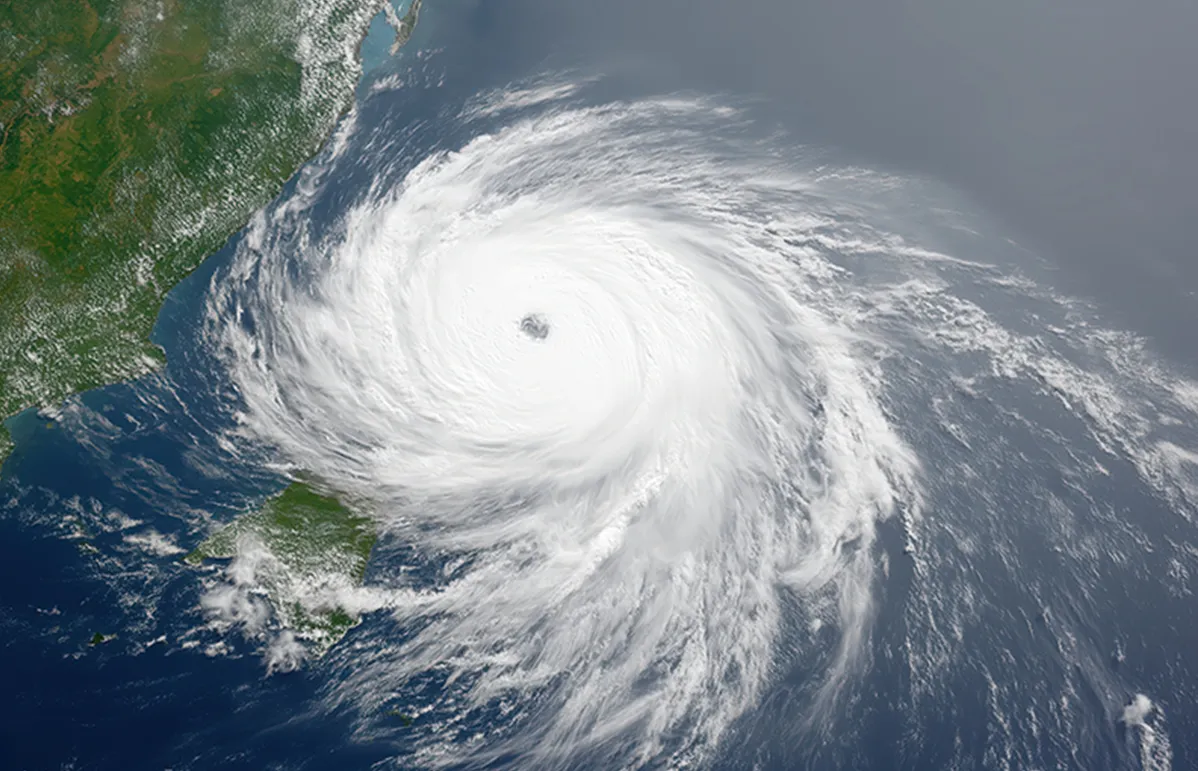
During the rainy and typhoon seasons, roads may be closed and bus services may be suspended.
Always check the latest information with your accommodation or the village office, and avoid taking unnecessary risks.

Disaster Risk img

Emergency Contact List : Please note: Japanese only. A translation app is essential.
Ambulance / Fire Truck 119 Call in English「Ambulance, Hinoemata-mura, Oze trail accident」
Police 110 Minamiaizu Police Station is responding.
Village clinic 0241-75-2341 Closed on Saturday afternoons, Sundays, Mondays, holidays, and during the New Year’s holidays (from 12/29 to 1/3).
Tourist Association 0241-75-2432 8:30-17:00 / Basic English support available
Village Office 0241-75-2500 Available 24 hours. However, phone contact is recommended only when the tourism association is unavailable.
Public telephone
(in front of the village office)
- Used when out of mobile range

mail icon

Inquiry for International Traveler (English or Japanese)

If you have any questions or concerns before your visit,
please feel free to contact the Oze Hinoemata Onsen Tourism Association from link below.

Stay & Accommodation

Q1. Do I need to follow the check-in/check-out times?

Yes. In Japan, punctuality is important. If you expect to arrive late, be sure to contact the accommodation in advance. Late check-out often incurs a fee, as it interferes with the cleaning schedule.

Q2. Where should I take off my shoes?

There is usually a designated area at the entrance with slippers provided. Beyond that point, wearing shoes indoors is not allowed. This applies not only in guest rooms but also in tatami-mat hallways.

Q3. Can I pay with a credit card or use cashless payment?

Some places accept cards or digital payments, but it's safest to carry cash, especially in rural inns and mountain areas. Be sure to prepare cash before arrival.

Q4. Do I need to tip?

No. Tipping is not part of Japanese culture. A simple "thank you" and a smile is enough to show appreciation for good service.

Q5. Can I drink alcohol in my room at night?

Yes, but many buildings are made of wood and sound travels easily. Please observe quiet hours between 10:00 p.m. and 7:00 a.m. Avoid loud conversations or phone calls in hallways and shared spaces.

Q6. Is there anything I should know before entering Oze National Park?

Yes. The area of Oze National Park accessible from Hinoemata Village is a symbol of Japan’s nature conservation efforts. Visitors are expected to follow proper etiquette.

Please read the guidelines before your visit:
Oze Preservation Foundation: https://oze-fnd.or.jp/en/

Hot Spa

Q1. Do I need to wash before getting into the bath?

Yes. It is required to rinse or shower your entire body before entering the bath.

Q2. Can I wear a swimsuit or bring a towel into the bath?

No. In general, communal baths in Japan require full nudity. Towels must not be brought into the bath—place them on your head or leave them outside the tub.

Q3. Can I enter the bath if I have tattoos?

Visible tattoos are generally not allowed. Please cover them with a tattoo cover sheet or sticker before entering the bath. These are not sold on-site, so be sure to prepare in advance.

Q4. Can I take photos or videos?

No. Photography is strictly prohibited in both the changing and bathing areas to protect privacy. Please leave your phone in the locker.

Useful Information

Q1. Where can I withdraw cash?

There are ATMs at the local Post office in Hinoemata, but it’s best to withdraw cash before entering the village.

<Available Brands>VISA, PLUS, MasterCard, Maestro, Cirrus, JCB, China UnionPay, and DISCOVER.

Q2. What happens if I miss the last bus or train?

Taxis are limited, and you may not be able to return to your accommodation. Always check the timetable and plan to catch the second-to-last bus or train to be safe.

Q3. Are there rules for sorting garbage?

Yes. Each accommodation has specific rules. The general rule is to separate waste into "burnable," "PET bottles," and "cans/glass." Follow the signage at your accommodation.

Q4. Who should I contact in case of illness or injury?

In emergencies, call 119 (ambulance) or 110 (police). It’s helpful to get a multilingual hospital list from your accommodation or the tourist information center in advance.

Q5. Is free Wi-Fi available?

Free Wi-Fi is available at the tourist information center and most lodgings. However, signal reception may be poor on boardwalks and trekking routes.

5 Tips to enjoy “Hinoemata Village”

go back to 5 Tips Toppage