 Explore Plan 5
Enjoying Oze and Reflecting on Nature Conservation
Traveler
My name is Kanok. I’m from Thailand and have been living in Japan for 10 years. I currently work in Tokyo and have visited not only major cities like Kyoto and Sapporo, but also famous sightseeing spots such as Nikko and Ise. I’ve even climbed Mt. Fuji. This time, I’m heading to Oze, a national park known as the birthplace of Japan’s nature conservation movement.

Name:Kanok Avnaree
Hobby:Food / Travel
Nationality:Thailand
My Recommendations
- Even for light hiking, don’t underestimate the mountains!
- Check Oze’s rules and enjoy your hike!
- The Ozenuma area is full of great sightseeing spots!
- Wild mountain cuisine full of natural flavor, and soothing natural hot springs.
- Sightseeing and Local Souvenirs in Hinoemata Village
Entering to OZE National Park
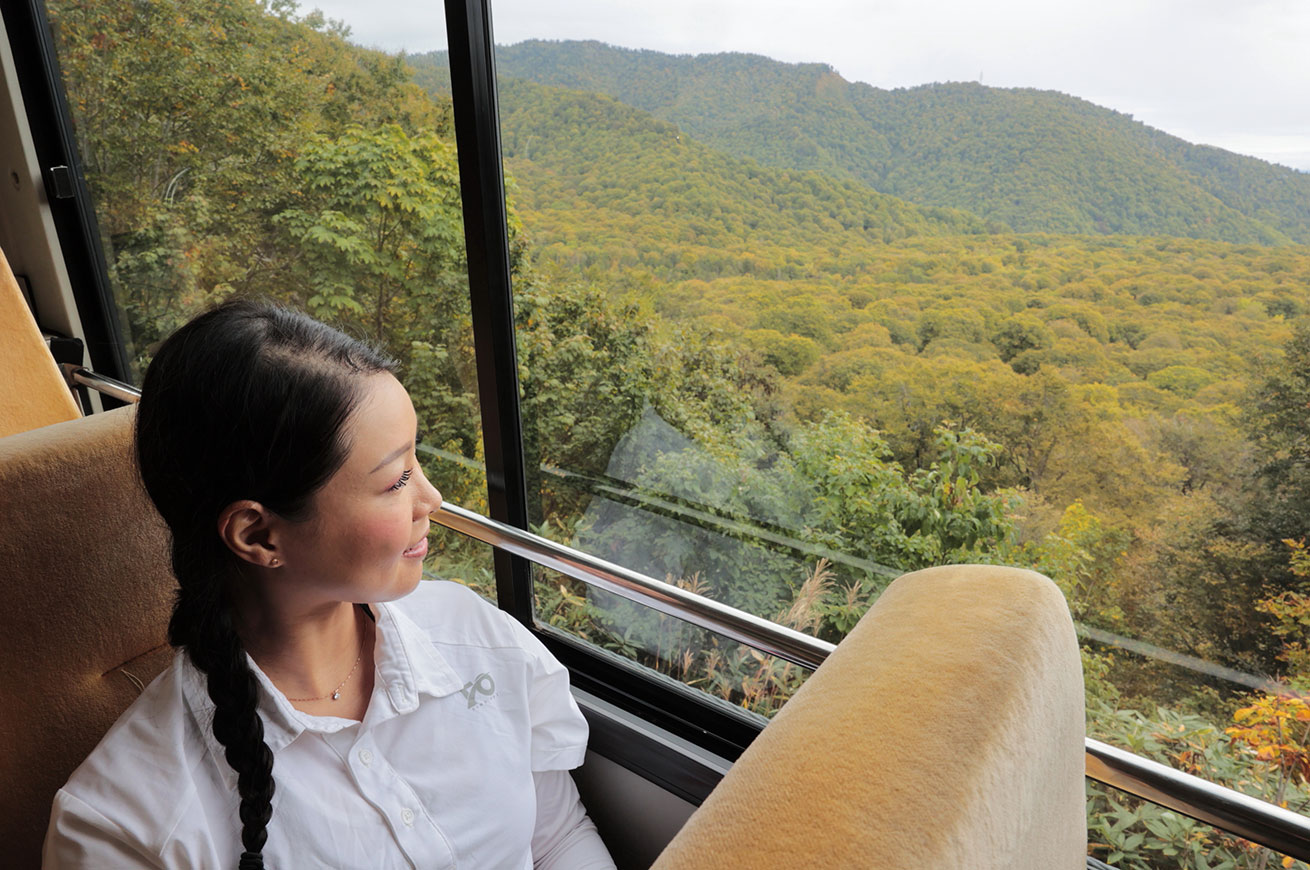
Only the shuttle bus can take you close to Oze.
Hearing the name “Oze” makes me excited. My Japanese friends told me it’s a must-visit scenic spot for nature lovers — and also a symbolic place for Japan’s nature conservation movement. To protect the environment, private cars are not allowed to enter the Oze area; only the shuttle bus can go in. That’s truly Oze!
Note: The shuttle bus between the Miike Parking Area and Numayama Pass operates from late May to late October.
 10:30
10:30
Even for light hiking,
don’t underestimate the mountains!
From the Numayama trailhead to Lake Ozenuma, it’s about 3.2 km one way (6.4 km round trip).It’s a relatively easy hike with little elevation change — but don’t underestimate nature. You need to be prepared for things like decayed wooden paths and sudden rain, so pay attention to your footwear, clothing, and what you carry with you.
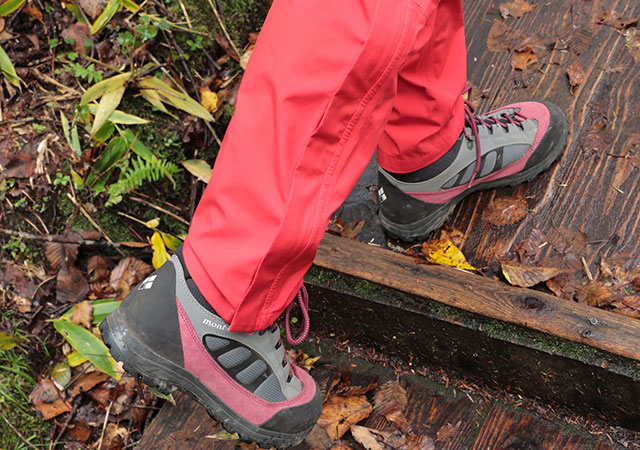 Shoes
ShoesShoes with firm soles and good grip are recommended — ideally mid-cut boots that protect your ankles.
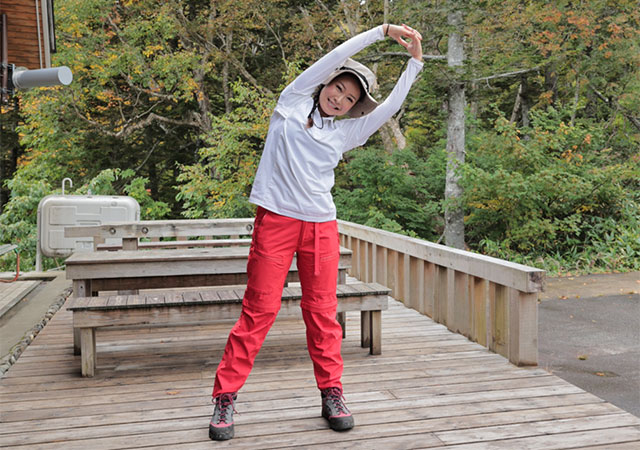 Outfit
Avoid cotton or rayon fabrics — they dry slowly. Nylon, polyester, or wool materials are a much better choice.
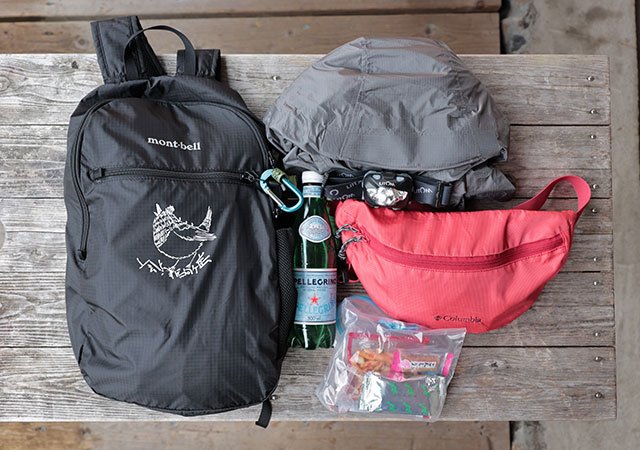 Possessions
Rain gear and water are essential. It’s also a good idea to bring a headlamp and some emergency snacks—just in case.
For a safe hike in Oze by Oze Preservation Foundation:
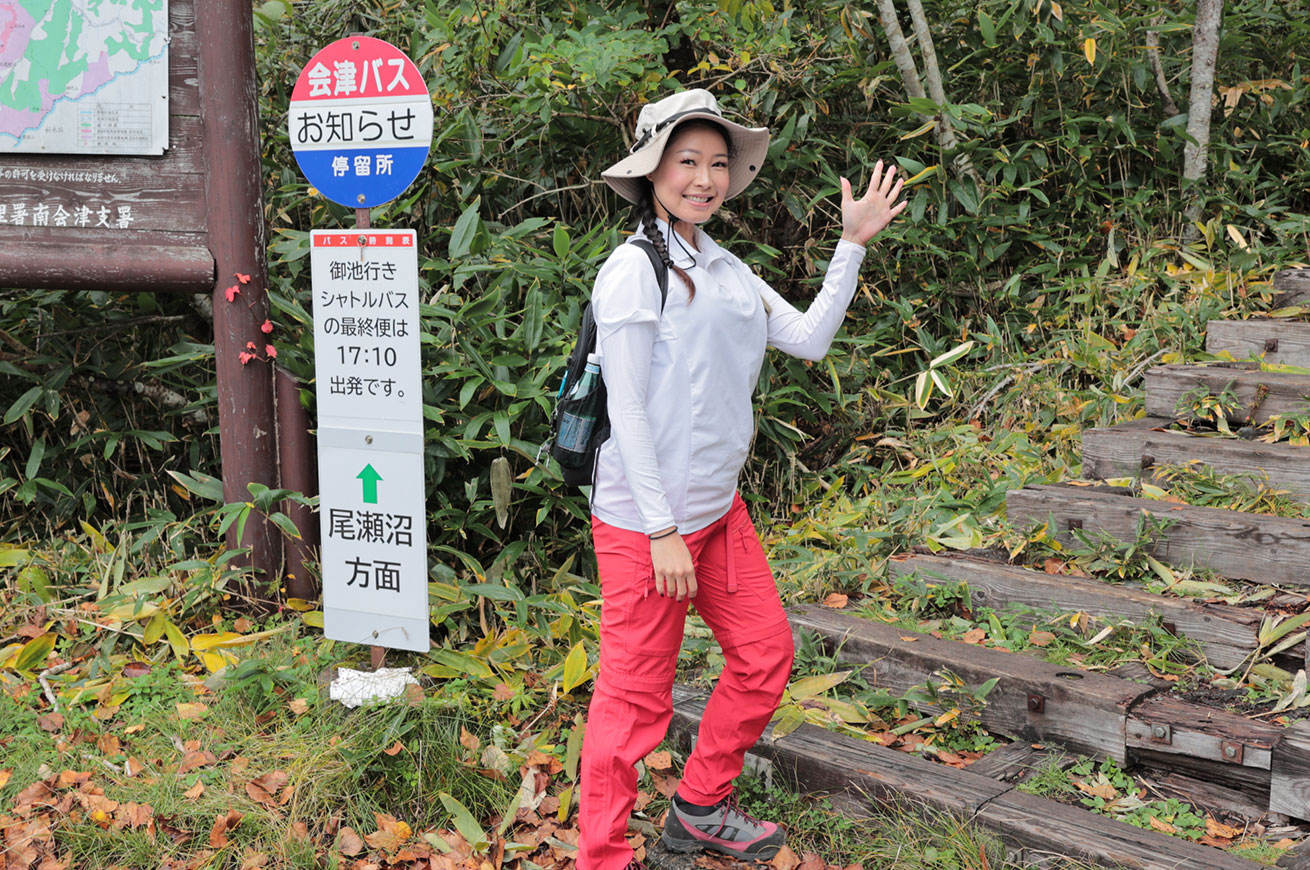
The last return bus leaves around 5:00 p.m.
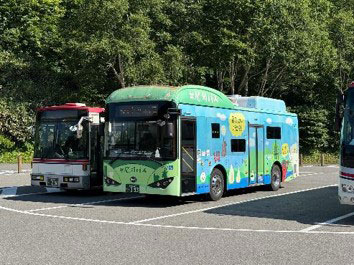
If you’re hiking just for the day, be sure to check the time of the last bus — usually around 5:00 p.m. in peak season.If you’re lucky, you might catch an electric shuttle bus, a great eco-friendly option.Once you’ve stretched and checked your gear, it’s time to start the hike!
 12:00
12:00
Discover Oze’s nature along the mountain trail
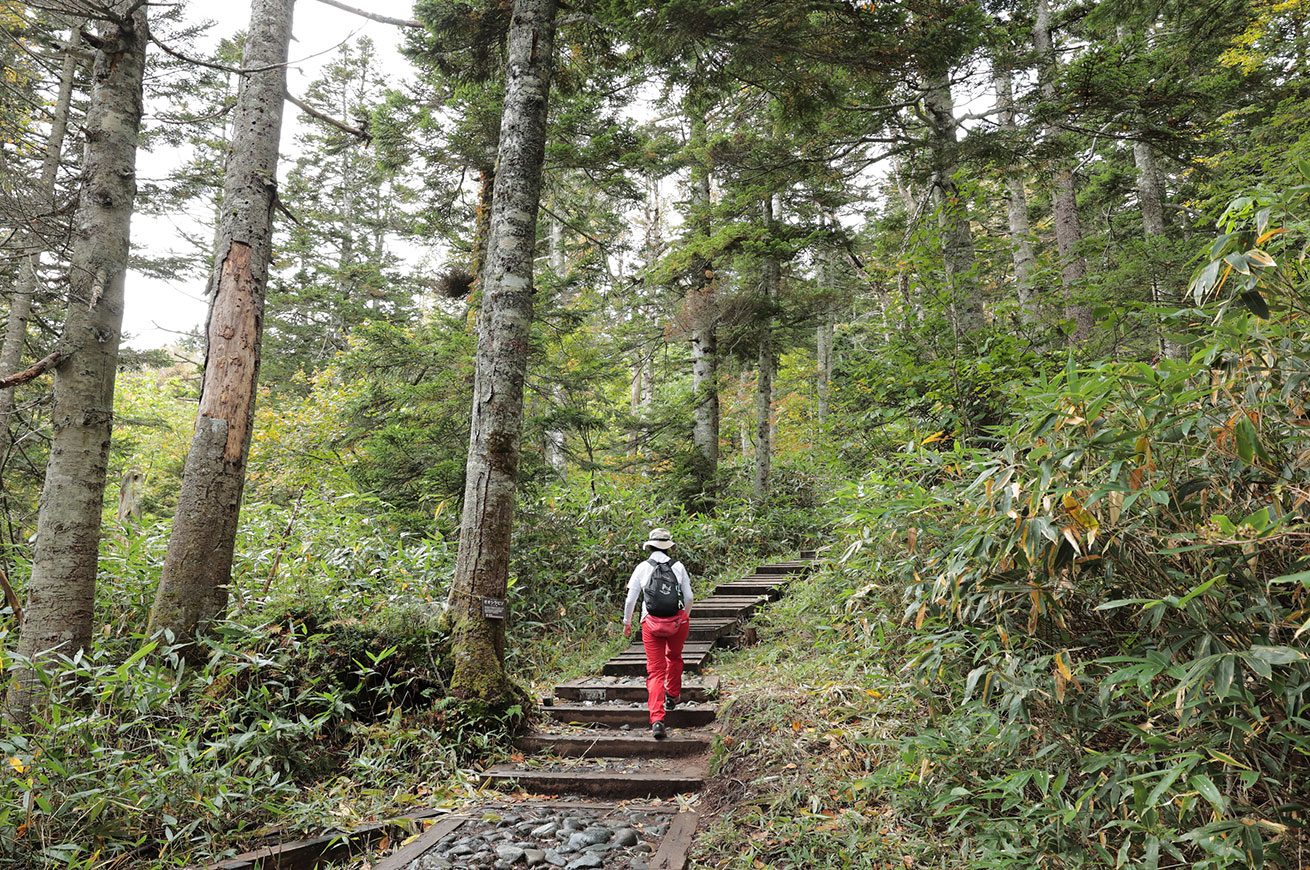
Walk through a forest of giant trees
At the start of the hike, I spent about 50 minutes walking through a forest where coniferous and broadleaf trees grow together. I was amazed by the towering trees all around me. According to my hiking guide, these giant trees store water and function like natural dams.
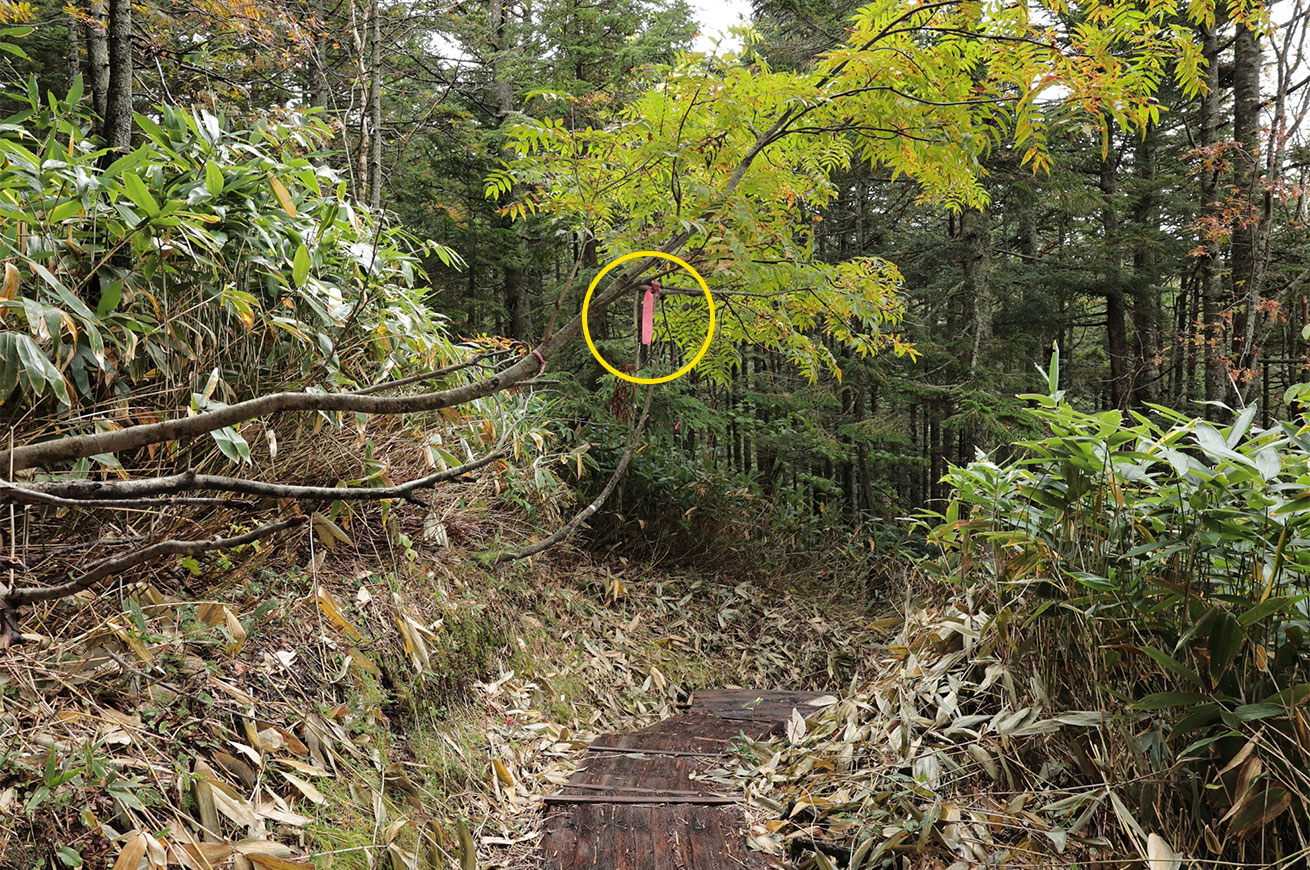
I noticed many pink ribbons tied about 2–3 meters high on the trees. They mark the trail so hikers don’t lose their way in the forest. But why so high? Because Oze gets 4-5 meters of snow in winter! When the hiking season starts in late May, the remaining snow raises the ground level — something that amazed me as someone from Thailand.
Charming discoveries in the autumn forest
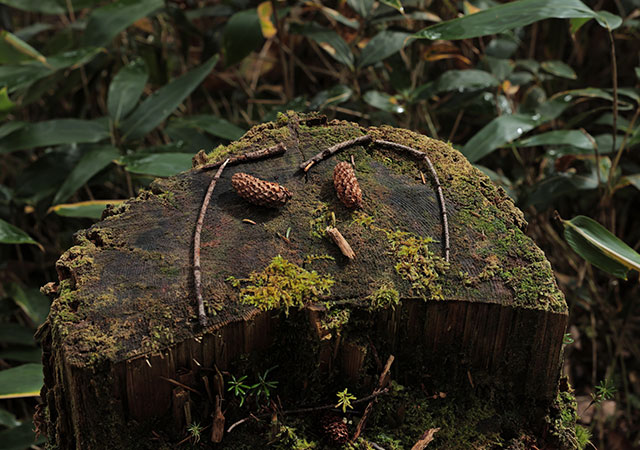 A cute pine cone lay on a tree stump — but remember, don’t take it home! In Oze National Park, it’s against the law to harm or collect any plants or animals.
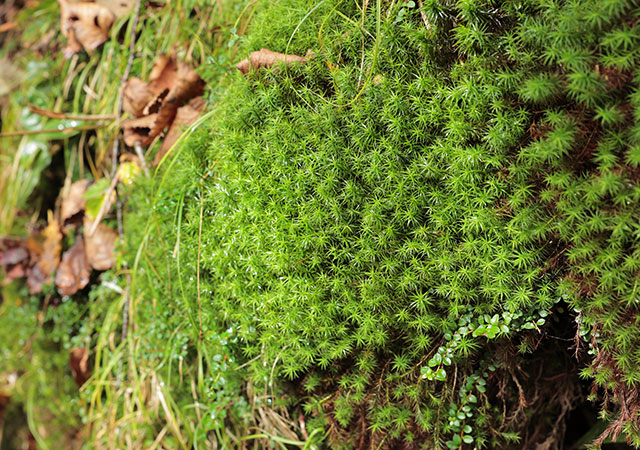 Bright green moss covers the ground like a living carpet. Unlike the carefully tended moss gardens of Kyoto or Kamakura, this wild moss thrives freely — a symbol of the forest’s natural moisture and vitality.
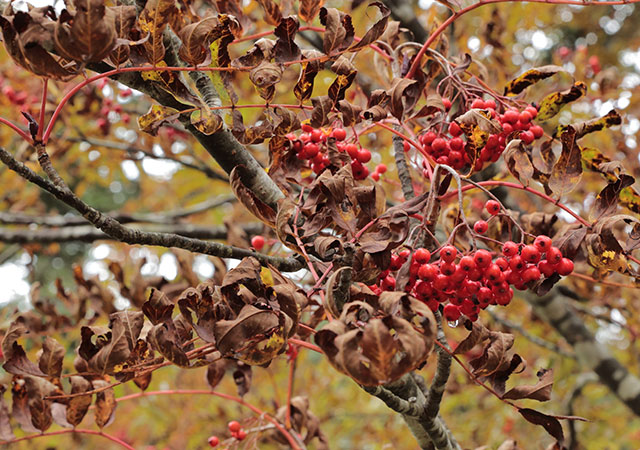 Rowan berries (Nanakamado) — they contain mild toxins and sorbic acid, so insects and birds avoid them in autumn. But after winter’s cold breaks down the toxins, they become an important food source for birds in spring.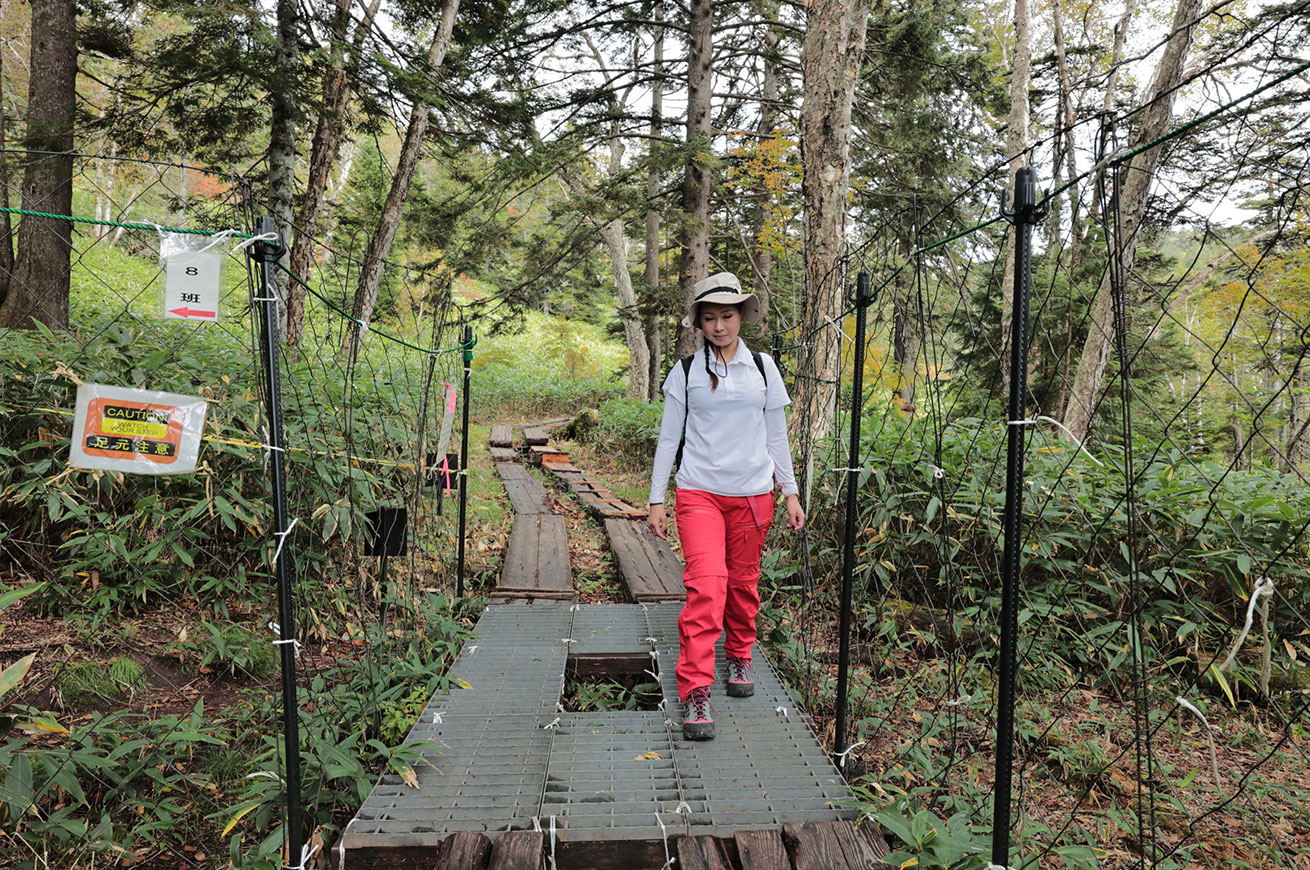
Deer protection fences and metal grates
Just before leaving the forest, I noticed some man-made structures — a bit surprising at first, but they serve an important purpose. Due to climate change and other factors, Japan now has more deer than at any time in the past 100,000 years. Oze is no exception. To protect the rare wetland plants, fences and gates with special grates are installed around the marshes — the grates deter deer from entering.
Check Oze’s rules and enjoy your hike!
Now we’re entering Oze’s iconic wetland area — a fragile ecosystem protected by strict rules. Some violations can even lead to fines or imprisonment, so it’s important to be aware. Here are key points for international visitors to keep in mind.
- ×Do not enter the wetlands
- Entering the wetlands — even with a camera tripod — is strictly prohibited. The peat in Oze’s marshes grows only about 0.7 mm per year. A single 7 cm footprint can destroy 100 years of natural formation.
- ×Do not collect or remove any plants or animals.
- All plants and animals in Oze National Park are designated as Japan’s Special Natural Monuments.
Collecting them is punishable by up to six months in prison or a fine of up to 500,000 yen. - ×No open fires are allowed.
- Open fires are prohibited. Please also refrain from smoking while walking.
- ×Do not litter. Please take all your trash back with you.
- Do not throw away any garbage, including food or drink containers you brought with you.
- ×Do not throw coins or money into rivers, ponds, or any natural water areas.
- Throwing money into nature harms Oze’s environment. please donate to the public toilet donation boxes instead.
For more details about Oze’s rules, please check the links below.
Oze Preservation Foundation
Respecting Oze; https://oze-fnd.or.jp/en/manner/
Questions and inquiries; https://oze-fnd.or.jp/en/faqen/#q3
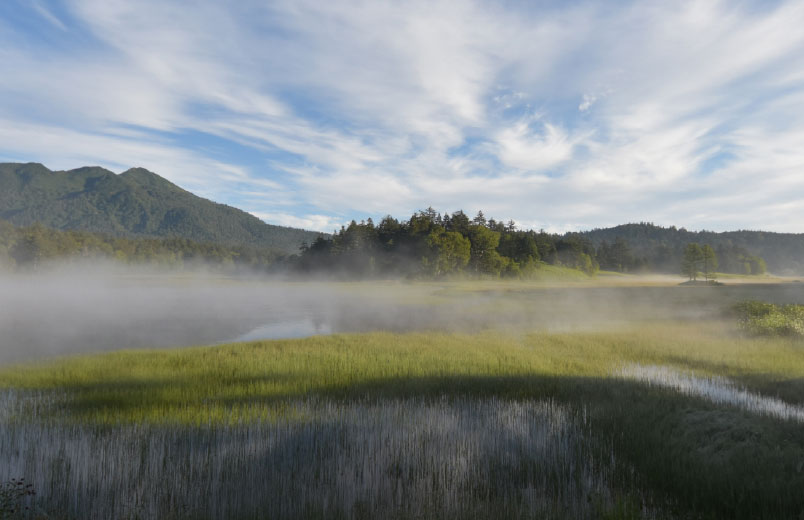
Arrived at the Oe Marshland
— where Kusamomiji (autumn grass colors)
marks the changing of the seasons.
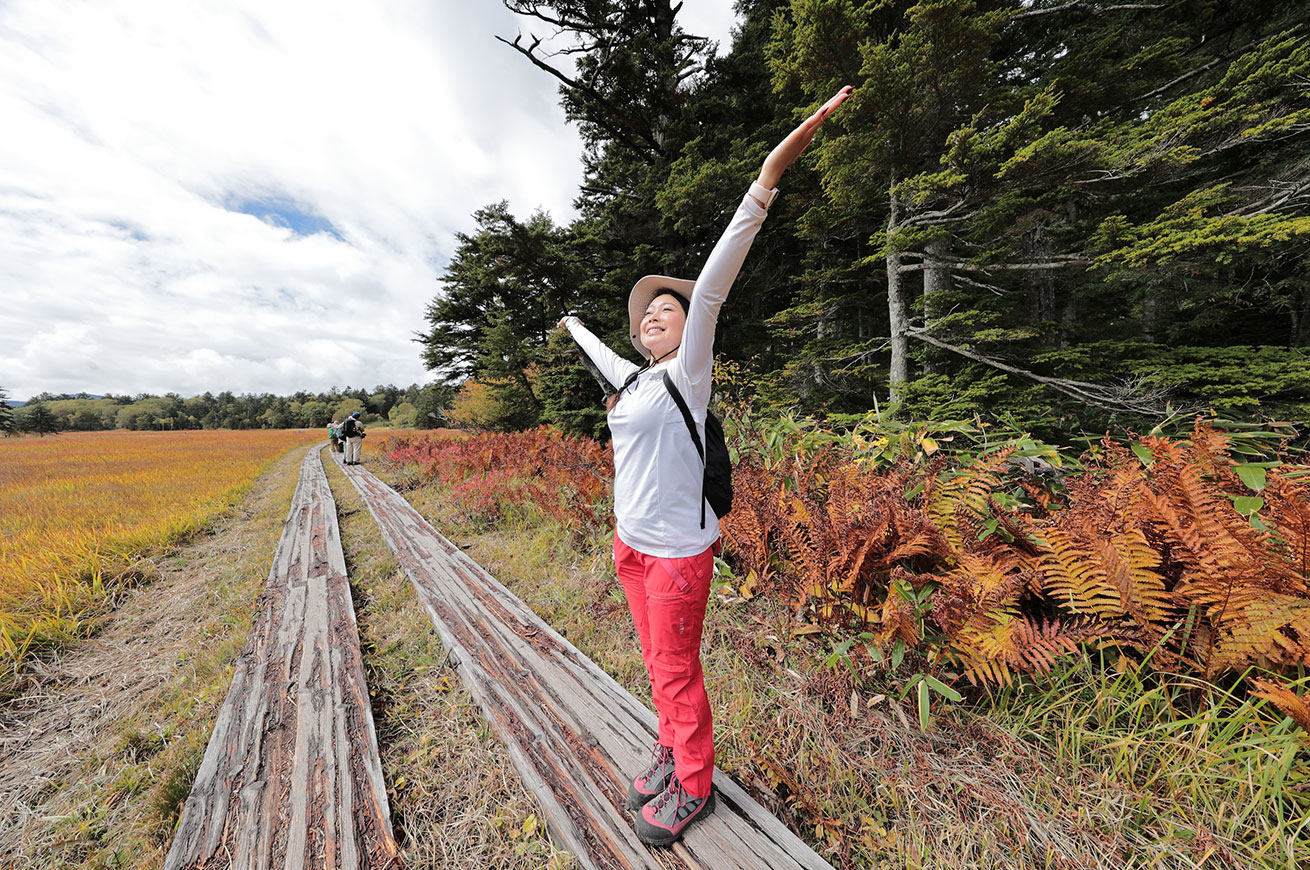
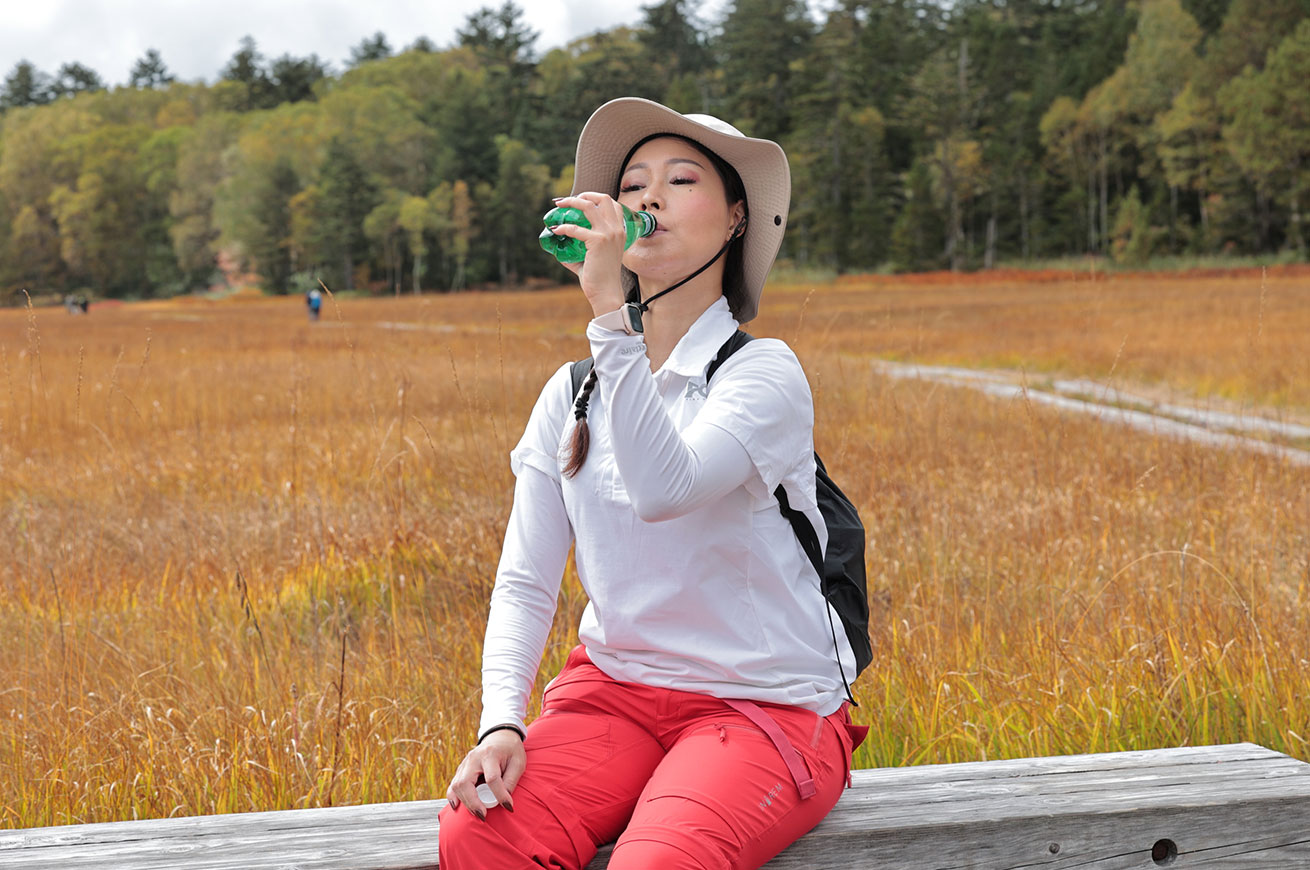
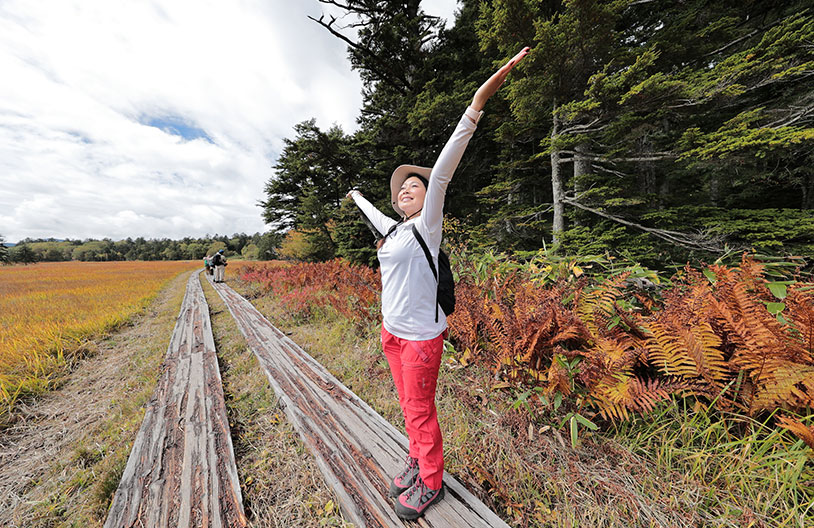
The marshland glows golden with the colors of autumn leaves.
After walking through the forest, I arrived at the Oe Marshland.
I was moved by the vast view covered in colorful autumn grasses.
This is a high moor, formed over time as grass and moss decay slowly in the cold climate, creating layers of peat.
These water-rich peatlands, like sponges holding melted snow, nurture rare alpine plants that flourish during the short snow-free season.
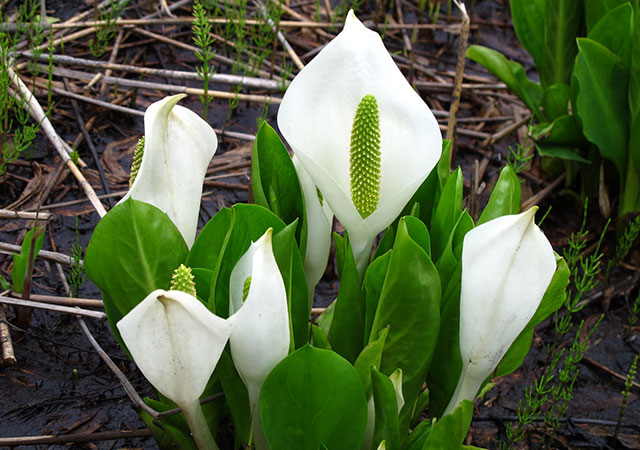 Spring (May to early June)
The famous mizubashō (Asian skunk cabbage), a symbol of Oze, blooms as the melting snow raises the water level of the marshland.
 Early Summer (mid-June to early July)
A dreamy field of cotton grass spreads across the marsh, creating a soft, white landscape.
 Midsummer (mid to late July)
Thanks to early deer protection efforts, the Oe Marshland is now one of the best places in the Oze area to see vast clusters of daylilies in full bloom.
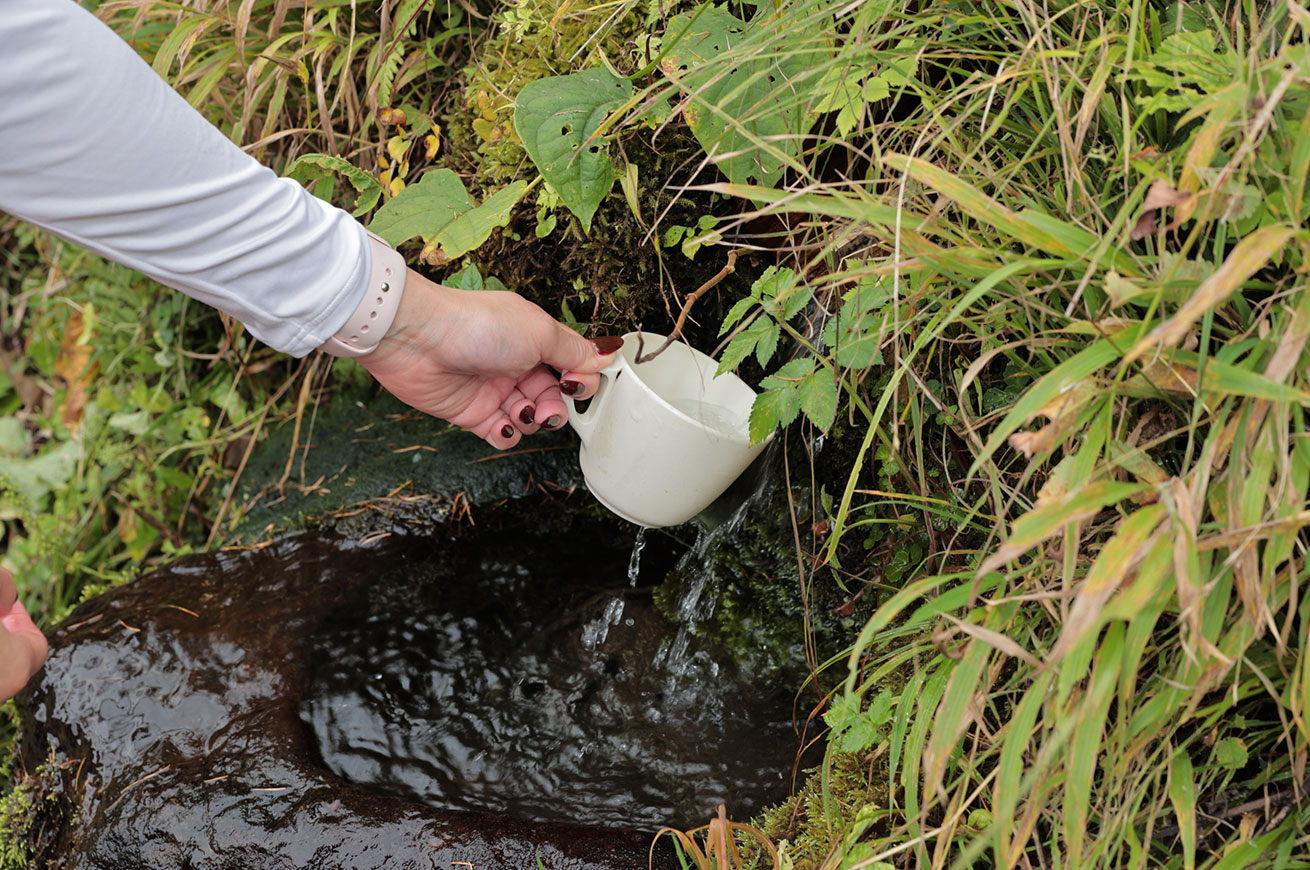
Crystal-clear river water
In a small stream flowing through the marsh, trout were swimming gracefully. The crystal-clear water is mesmerizing — rivers in Japan’s mountain regions truly have exceptional water quality.
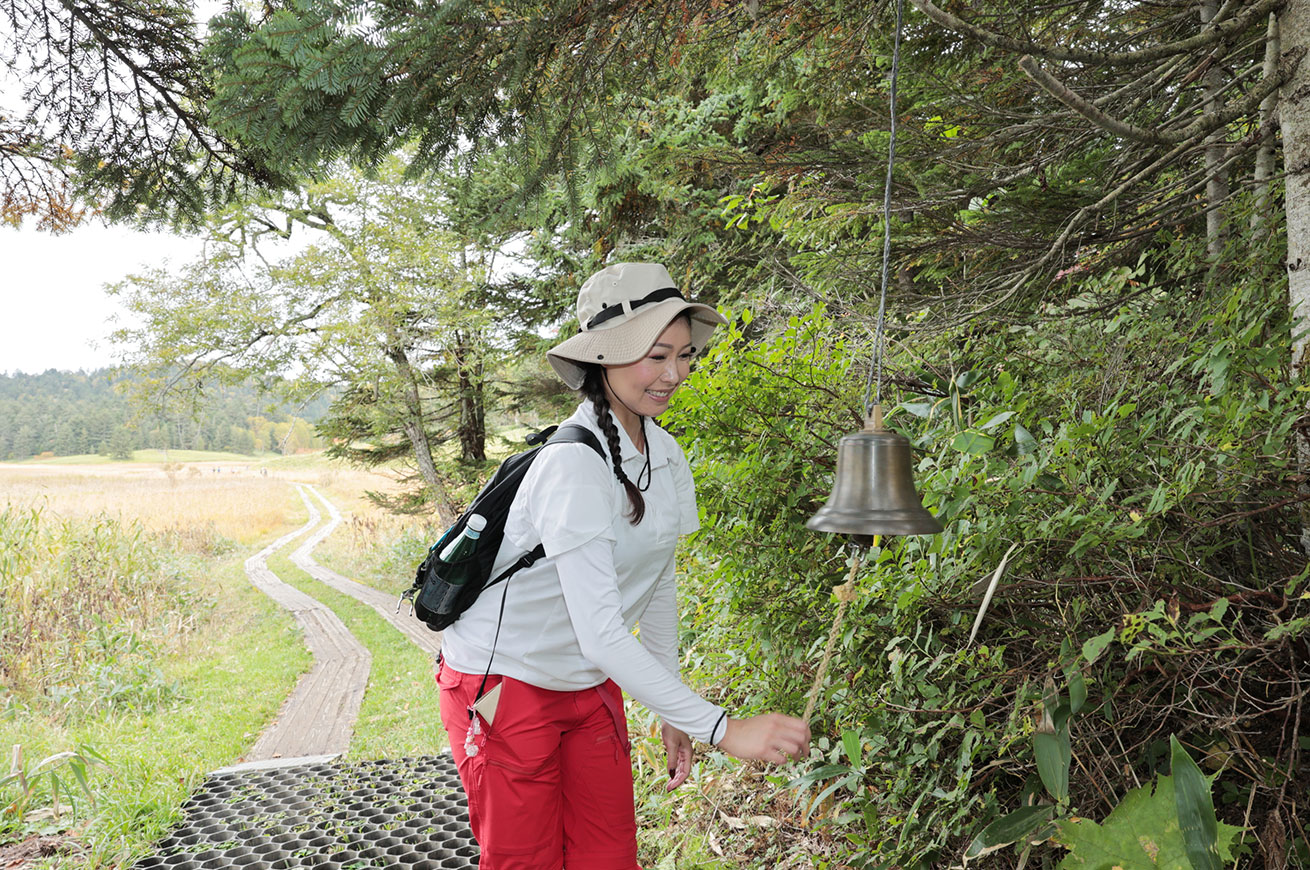
Bear Habitat
Ring a bear bell. In recent years, Japan’s bear population has been increasing.
Oze is not our habitat — it belongs to the bears. As visitors, it’s our responsibility to make our presence known and avoid unexpected encounters with them.
Nature in Oze that has
overcome countless challenges
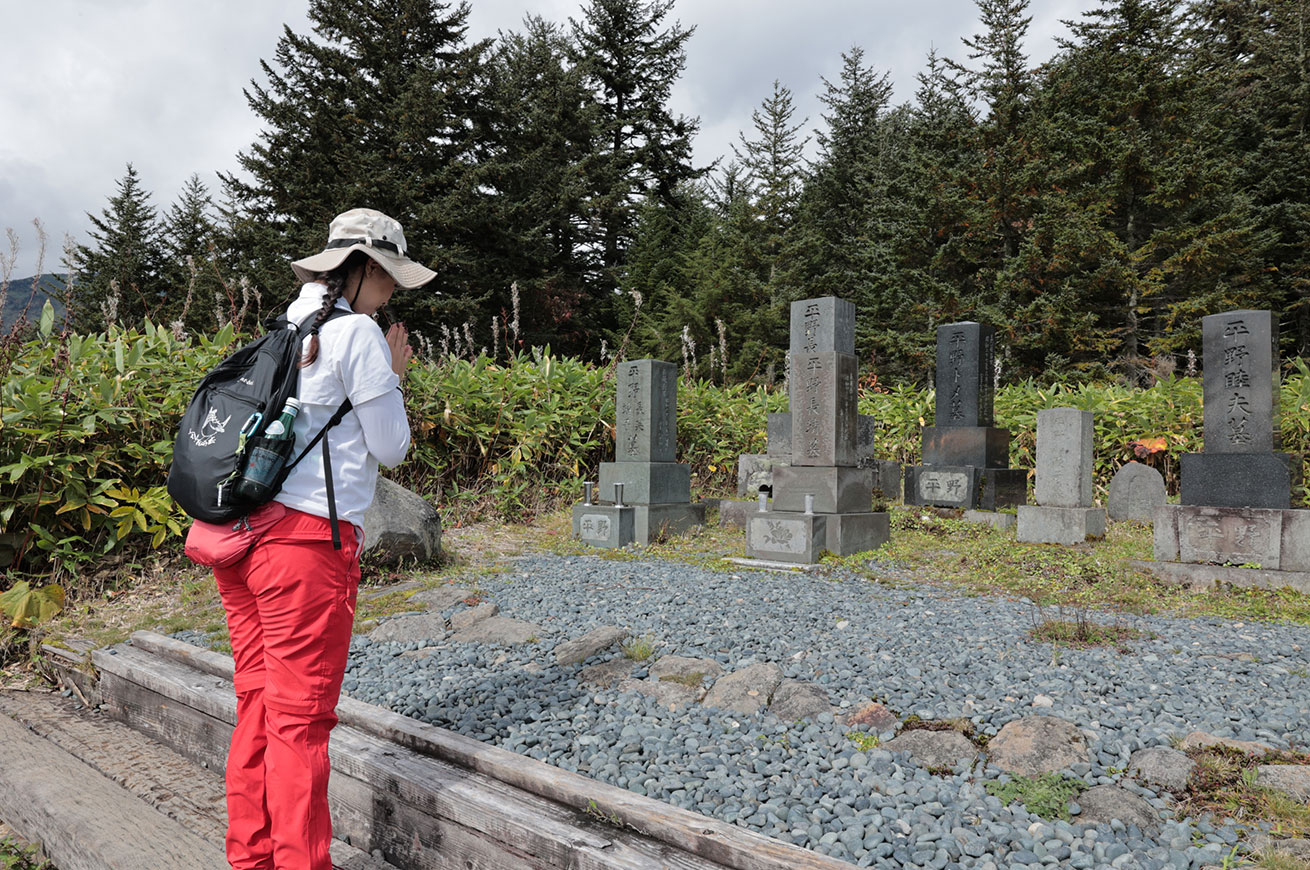
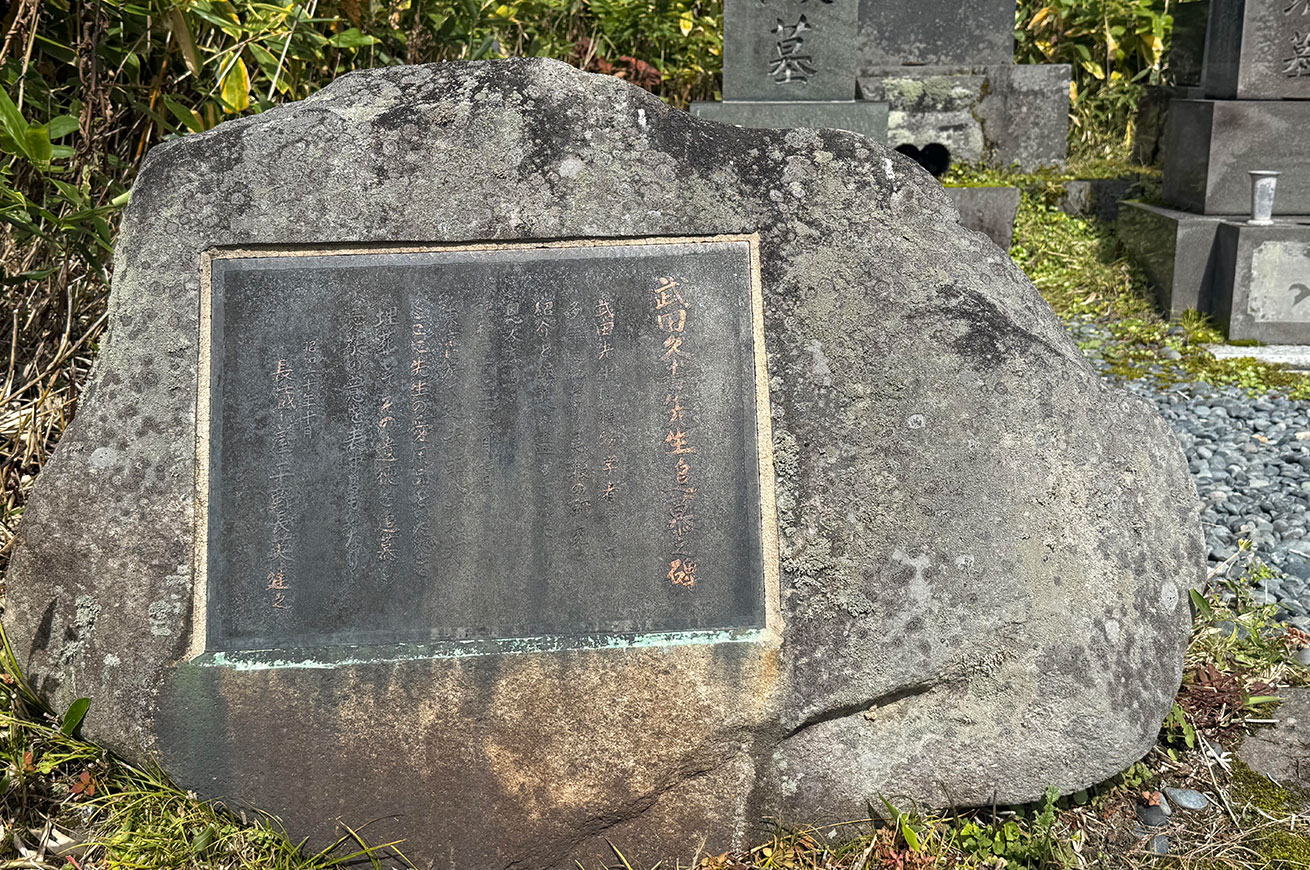
Praying at the memorial marker on the hill of the marshland
I paid our respects at the gravesite of the “Godfather of Oze,” the Hirano family, and at the monument honoring Dr. Hisayoshi Takeda.
Nature trekking in Oze became known to the public in the late 19th century, thanks to Chozo Hirano from Hinoemata Village. In the early 20th century, he opposed a hydroelectric dam project and moved to the harsh wilderness of Oze as an act of resistance against development.
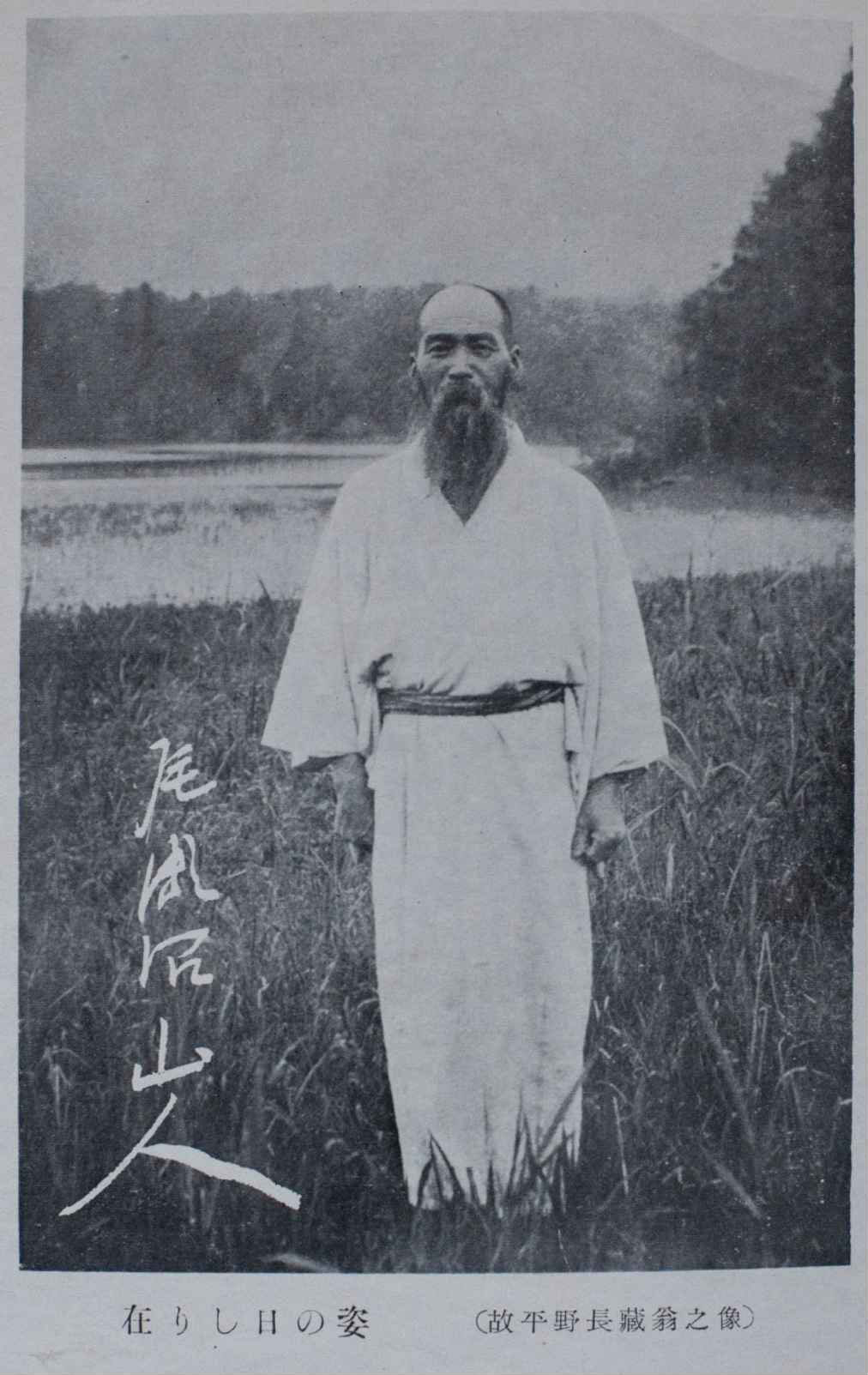
After World War II, another dam project was proposed, sparking opposition from botanist Hisayoshi Takeda and Chozo’s son, Choei Hirano.
In the 1970s, when a plan to build a road through Oze emerged, Choei’s son, Chosei, led a movement that successfully halted it.
According to our guide, it is thanks to the three generations of the Hirano family and their nature conservation efforts that Oze’s pristine environment remains preserved today.
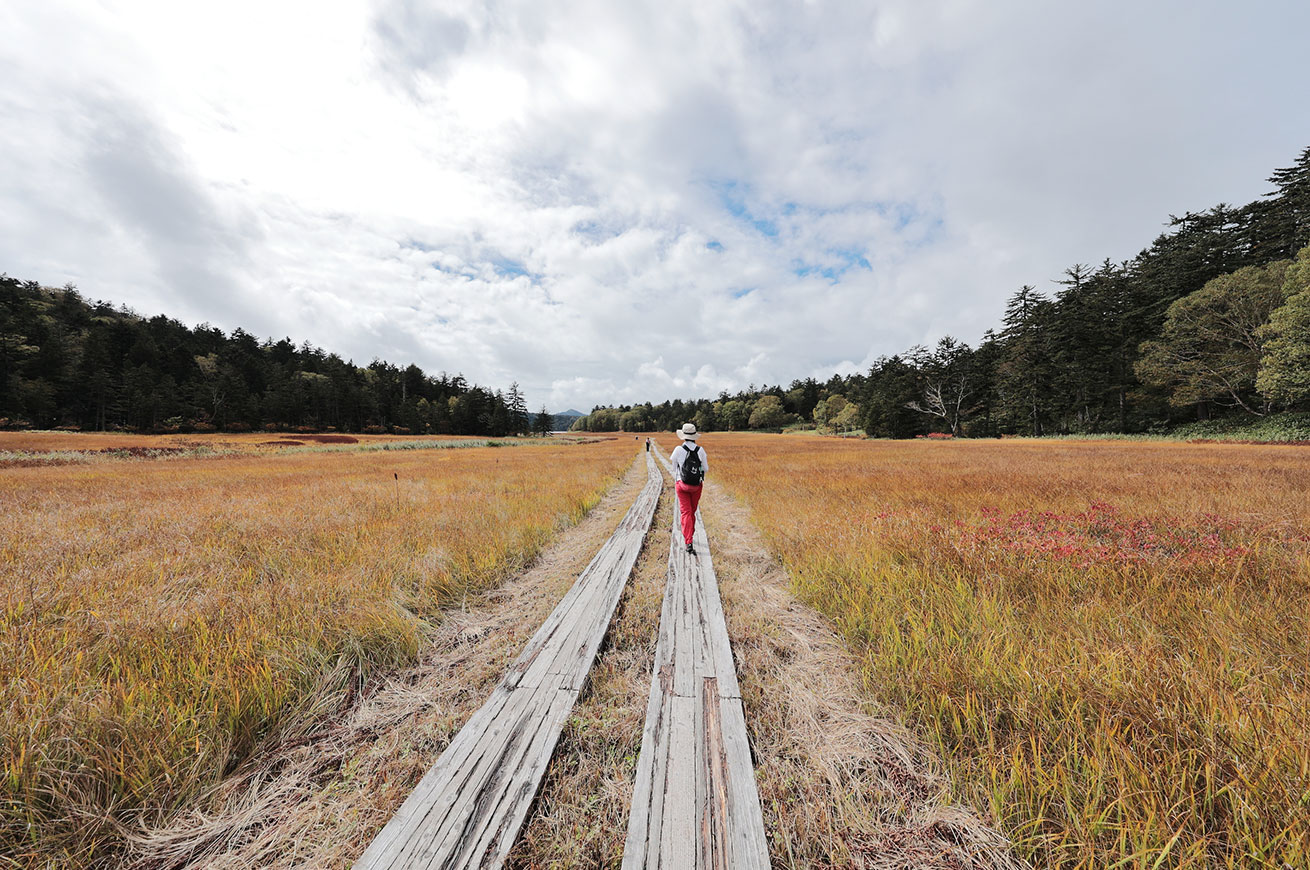
Wooden Boardwalks born from Oze’s hard-earned lessons
As Oze’s conservation movement gained nationwide attention, many tourists began to visit.
However, at the time, environmental awareness was still low — and ironically, the very marshlands meant to be protected were trampled by well-meaning visitors.
To solve this, the Wooden Boardwalk system was introduced, which now stretches over 65 kilometers throughout Oze.
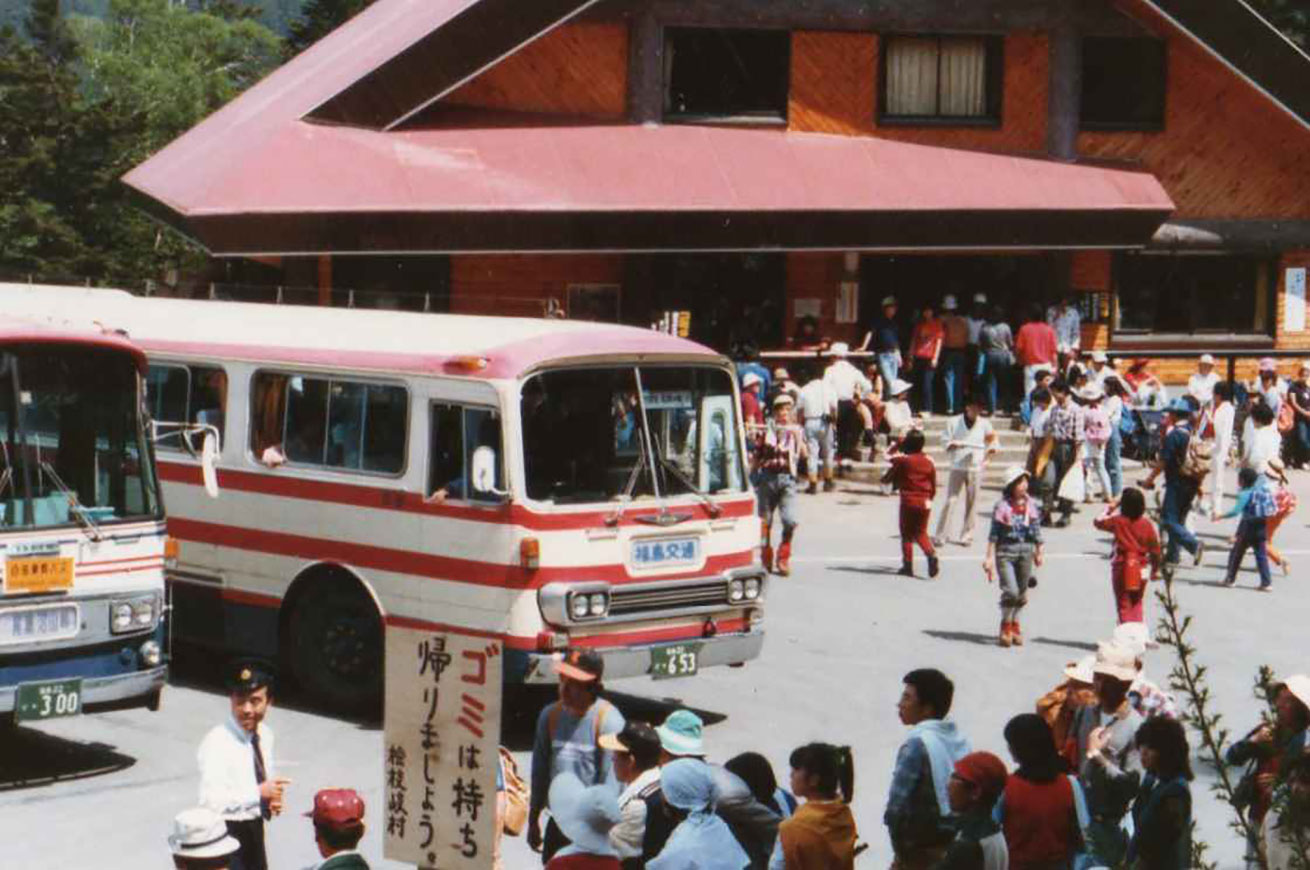
The birthplace of nature
conservation in Japan
In Oze, initiatives such as “carry-in, carry-out” waste campaigns, private car restrictions, sewage treatment facilities, and deer damage control are actively maintained through public and volunteer efforts.
As travelers, I realized that Oze offers more than just breathtaking scenery — it is also the birthplace of Japan’s nature conservation movement, a place where visitors can learn the deeper meaning of protecting nature itself.
The Ozenuma area is full of great sightseeing spots!
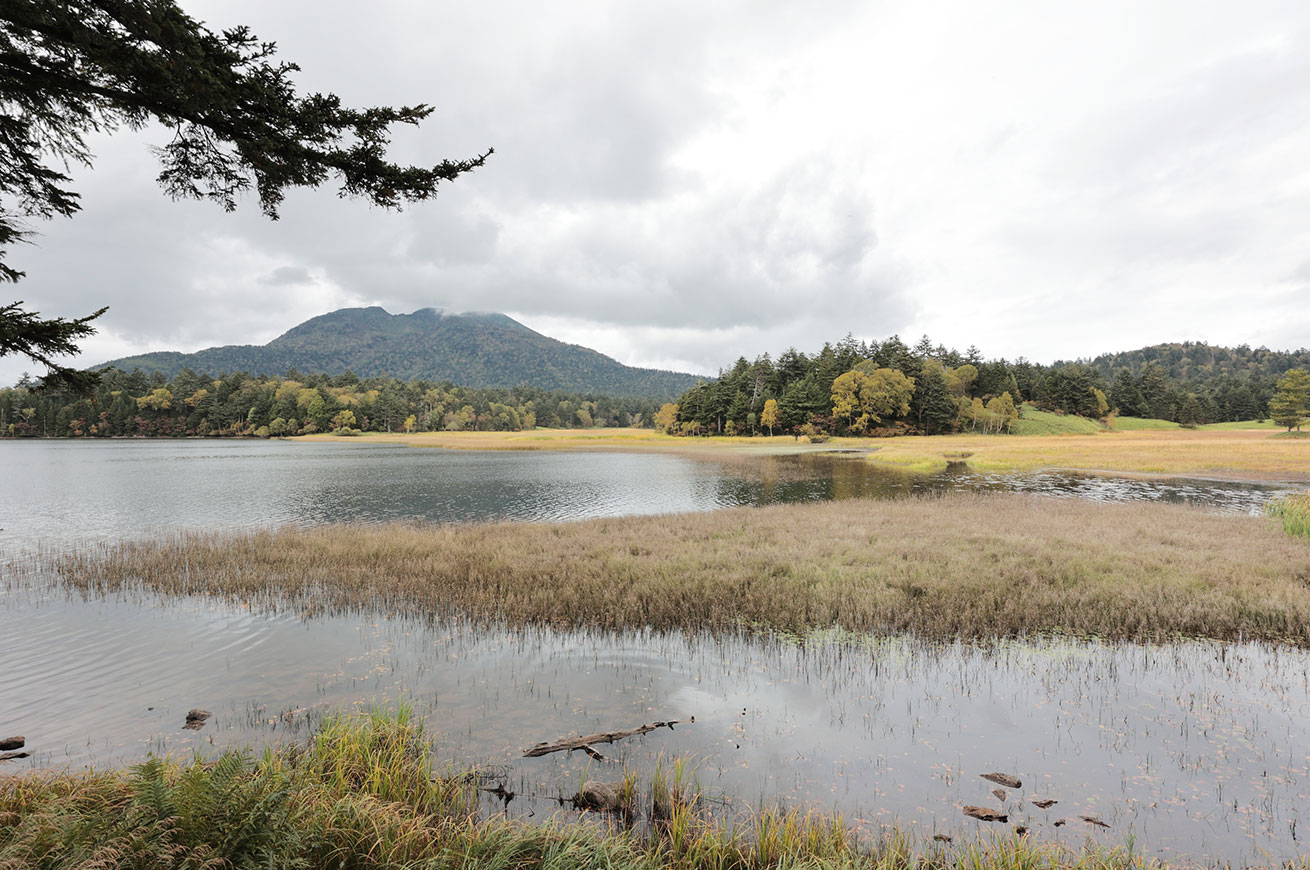
A mystical mountain lake with an 8.5 km trail — Lake Ozenuma
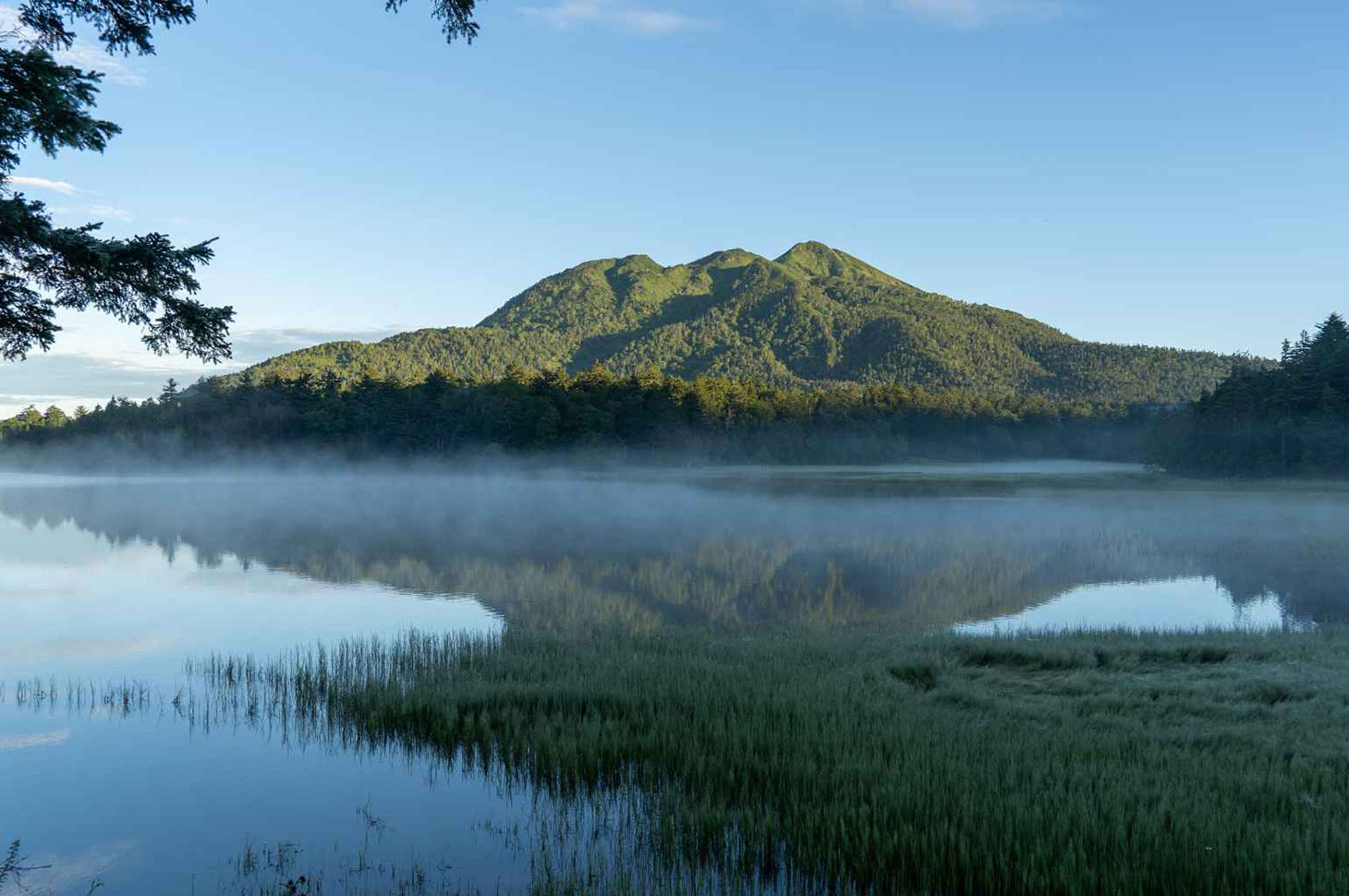
We arrived at Lake Ozenuma, our final destination. It took me about 70 minutes one way on foot. Formed roughly 10,000 years ago by volcanic activity, Ozenuma is a tranquil mountain lake that still preserves its untouched, primordial landscape. Its serene beauty and sense of isolation make it one of the most popular highlights of the Oze trekking routes.
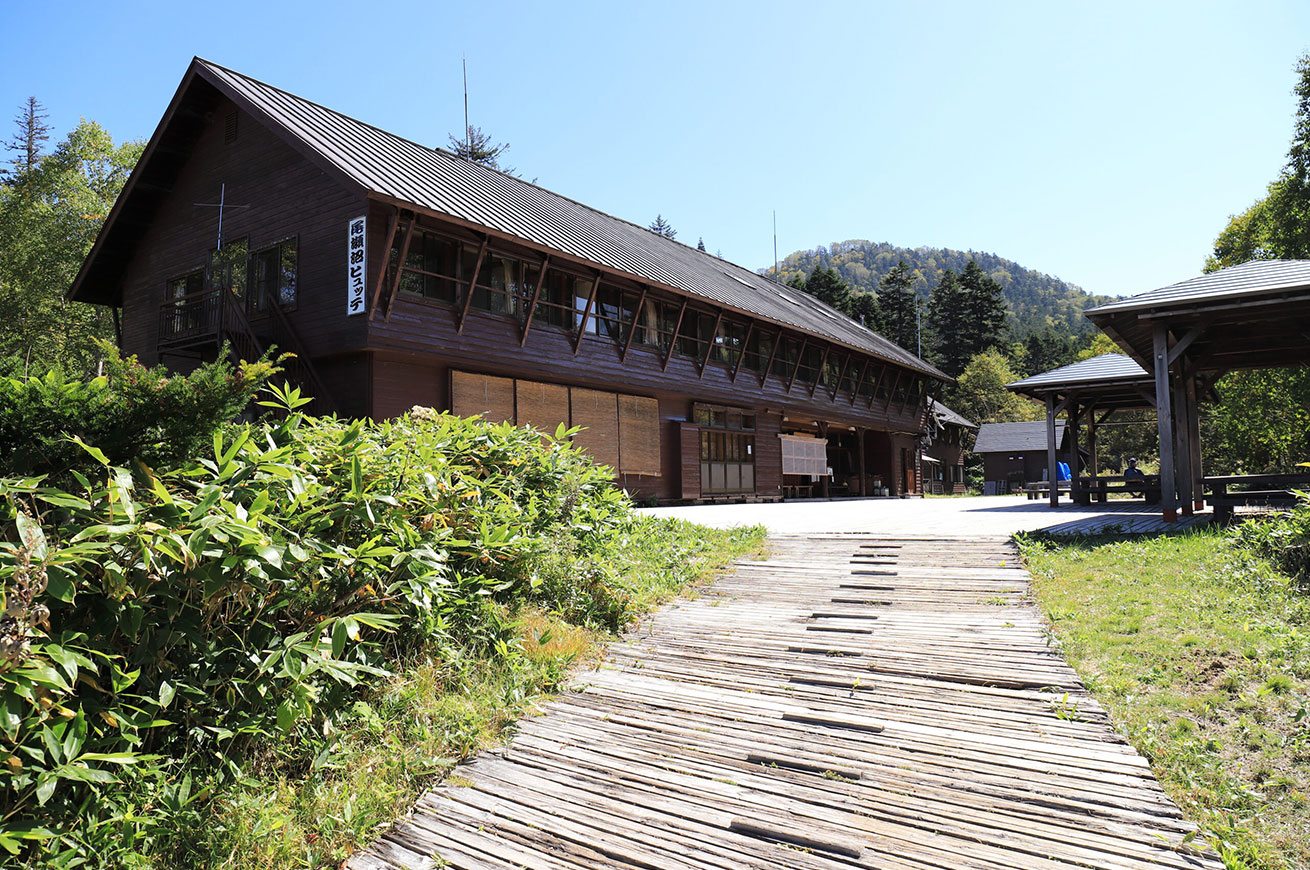
The lakeside area is rich
with scenic spots and attractions.
The lakeside of Ozenuma is well equipped with attractions and facilities.
There are two lodges — Chozogoya and Ozenuma Hütte, both named after Chōzō Hirano.
You’ll also find a souvenir shop, café restaurant, and a visitor center, making it a comfortable and enjoyable stop for travelers.
List of Oze’s Hut (Japanese);
https://www.oze-info.jp/stay_cat/mountainhut/
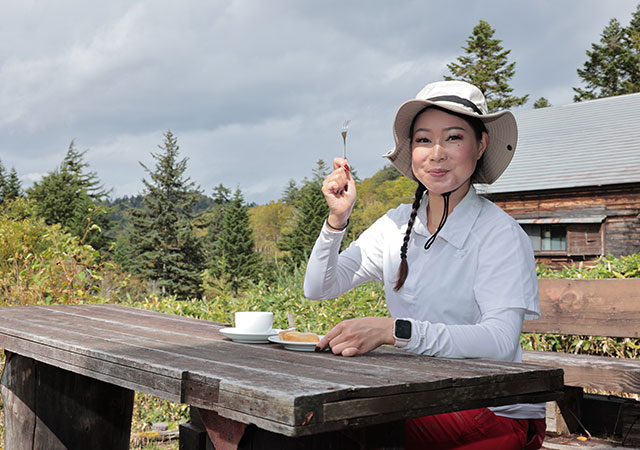 At the café restaurant, you can enjoy coffee brewed with pristine snowmelt water.
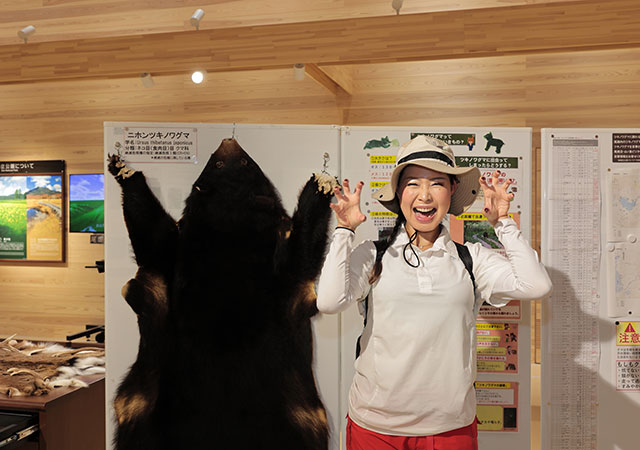 At the Visitor Center, you can learn about the geological history and unique ecosystem of the Oze area.
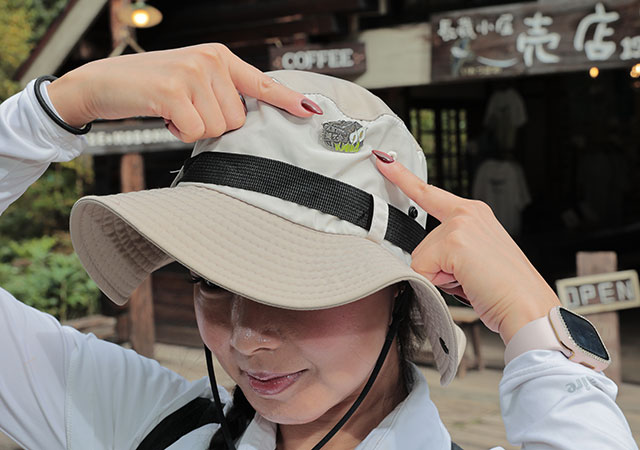 I purchased a mountain badge from the souvenir shop — a popular collectible among Japanese hikers.
Learn About Nature Conservation Efforts in Oze (Oze Preservation Foundation);
https://oze-fnd.or.jp/en/
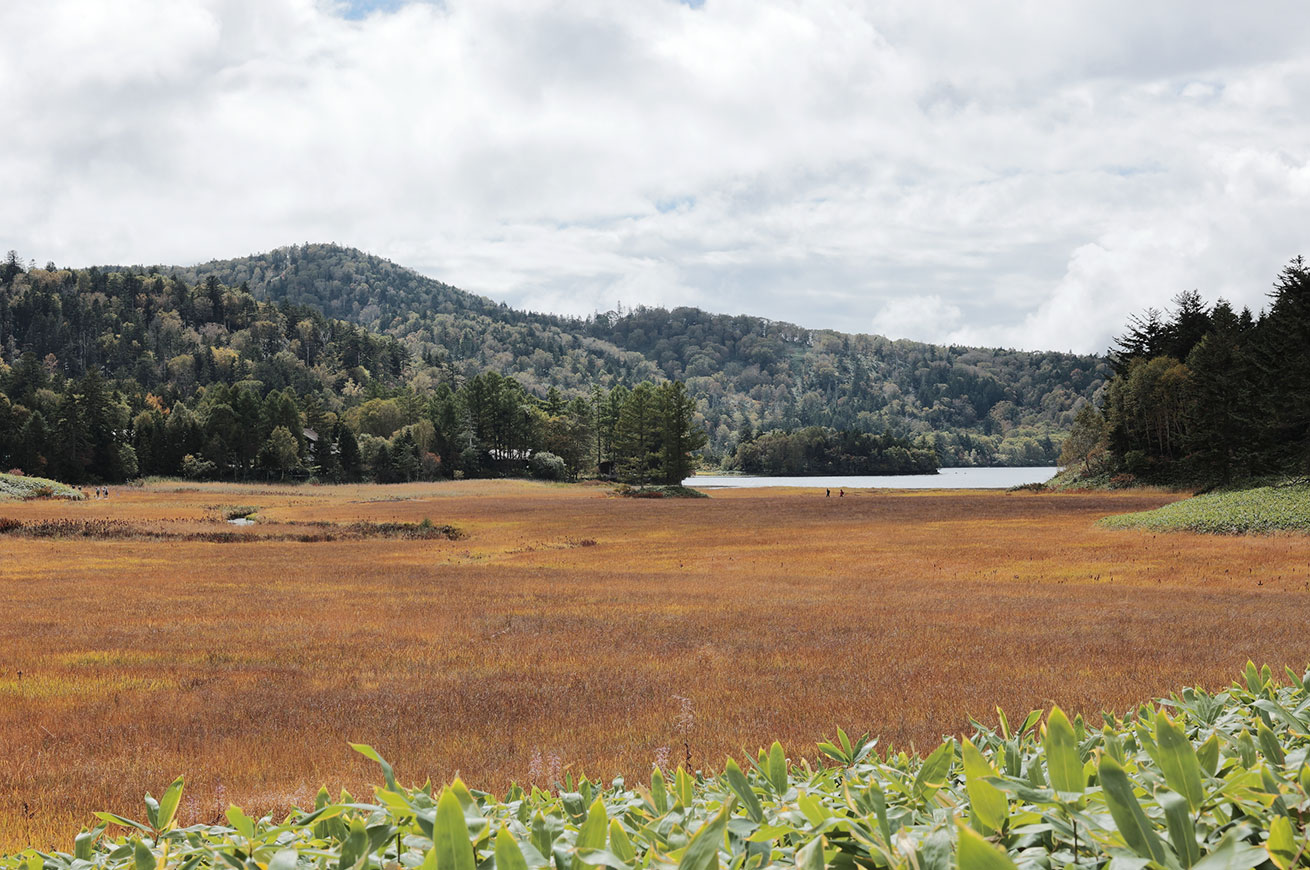
Oze offers a wide variety of
trekking routes to explore.
My journey in Oze ends here.
Although it wasn’t as physically demanding as climbing Mt. Fuji, what I experienced today is just a glimpse of what Oze offers.
From vast marshlands and magnificent waterfalls to four famous 100-mountain peaks to conquer — Oze is truly a paradise for trekking enthusiasts.
Oze’s Trekking Route (Japanese);
https://www.oze-info.jp/ozh_trekking_oze/

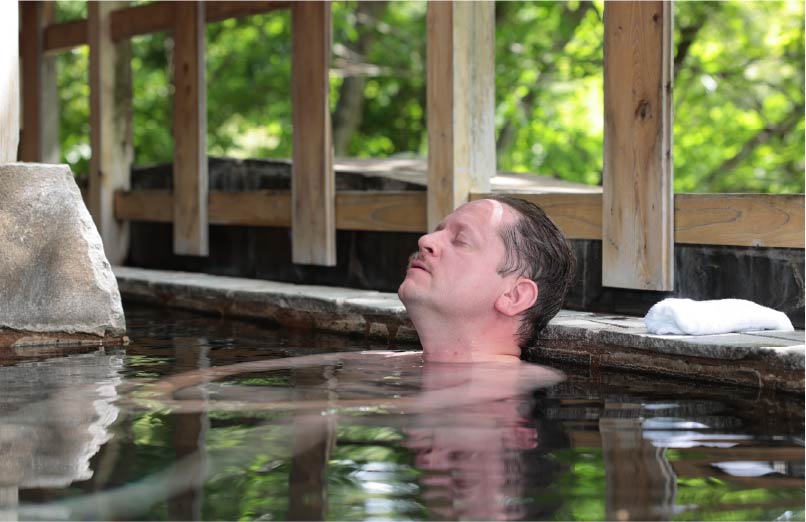
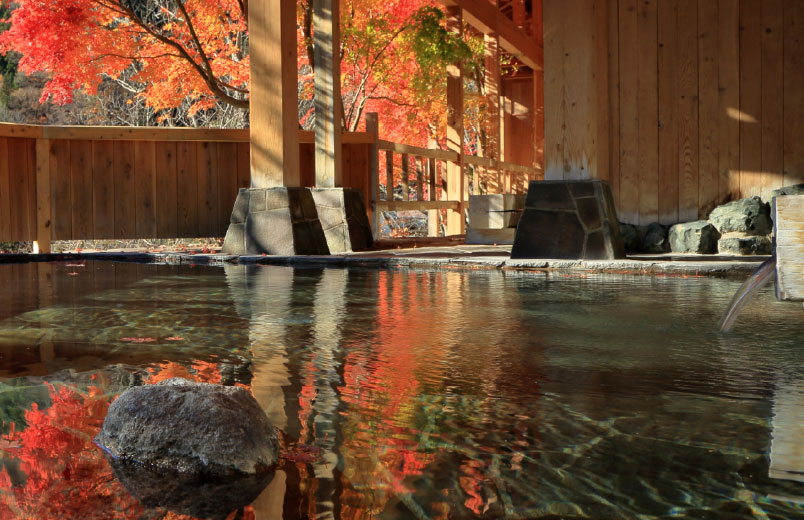
Wash away your sweat and fatigue in the village’s refreshing hot springs.
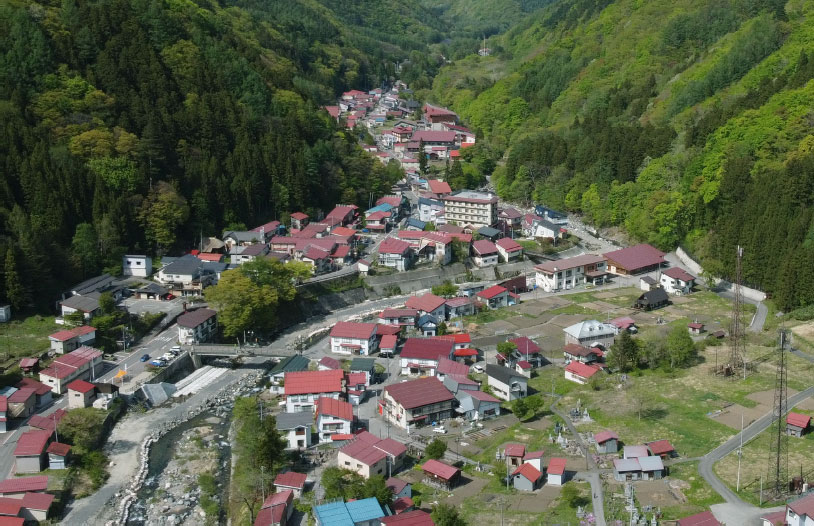
I took a dip in the hot springs back in Hinoemata Village — the gateway to Oze.
After hiking in the rain and feeling chilled to the bone, soaking in the natural onsen was pure bliss.
In my opinion, “onsen” is one of the most essential experiences in Japanese travel.
Public Hot Spring in Hinoemata Village;
https://www.oze-info.jp/en/#hotspring
Useful information; ATM
Within the village, only the Hinoemata Post Office ATM (Weekdays 9:00–17:30 / Saturdays 9:00–17:00 / Sundays & Holidays 9:00–15:00) accepts international cards.*Please note that it is not available late at night, so be sure to check your balance in advance.


At the ATM inside Hinoemata Post Office, cards bearing any of the following brands.
VISA, PLUS, MasterCard, Maestro, Cirrus, JCB, China UnionPay, and DISCOVER.
5 Tips to enjoy “Hinoemata Village”





 16:00
16:00
Stayed at a historic inn
with a 130-year legacy.
Yamodo Ryori -
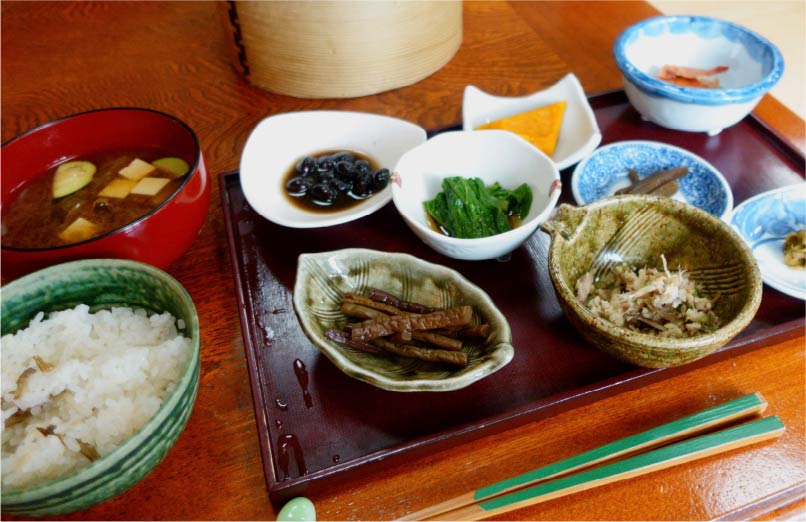
Wild mountain cuisine full of natural flavor,
and soothing natural hot springs.
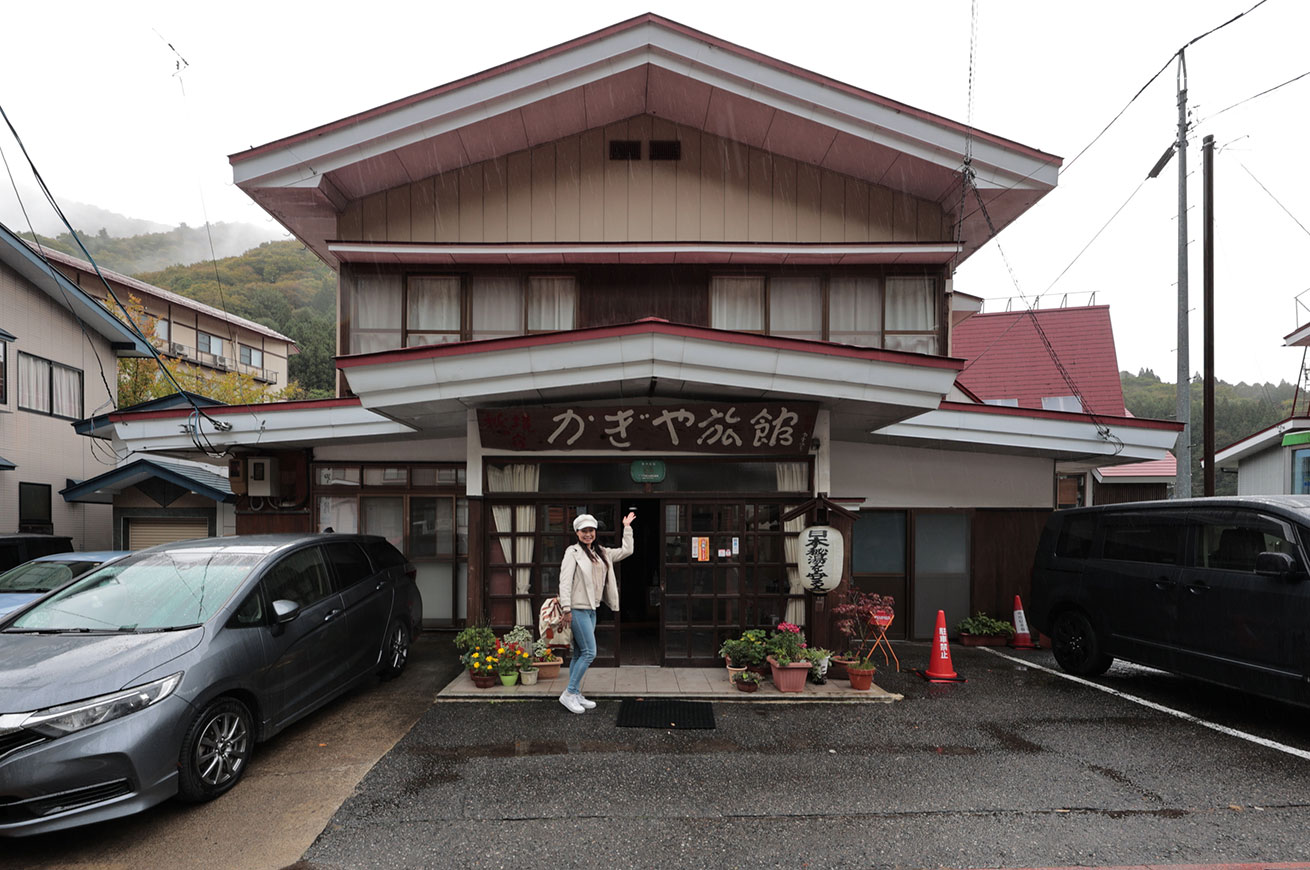
I stayed at Kagiya Ryokan, a traditional inn with a 130-year history.
The name “Kagiya” means “key,” and according to one story, the owner’s ancestors once held the keys to a local checkpoint.
The current building is over 60 years old, and many older Japanese guests say that its wooden corridors remind them of their old elementary schools.

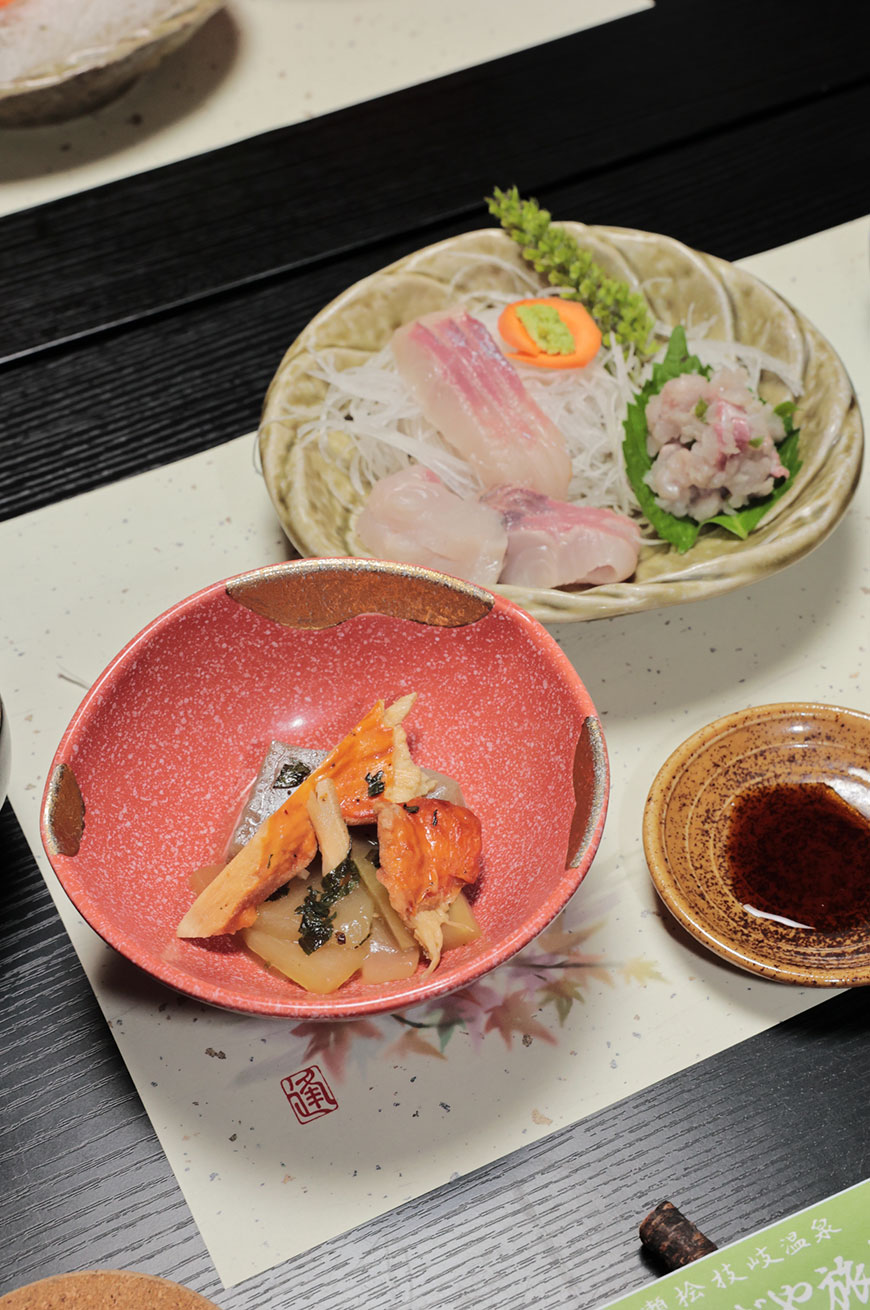
Foreign visitors also stay here to enjoy the organic mountain cuisine made from ingredients foraged in the surrounding wilderness.
The owner told me,
“We’re 1,000 meters above sea level, so it rarely exceeds 30°C even in midsummer. By late October, it snows — and in midwinter, snow can pile up to three meters. I hope guests can experience this authentic mountain environment and savor the flavors born from it.”
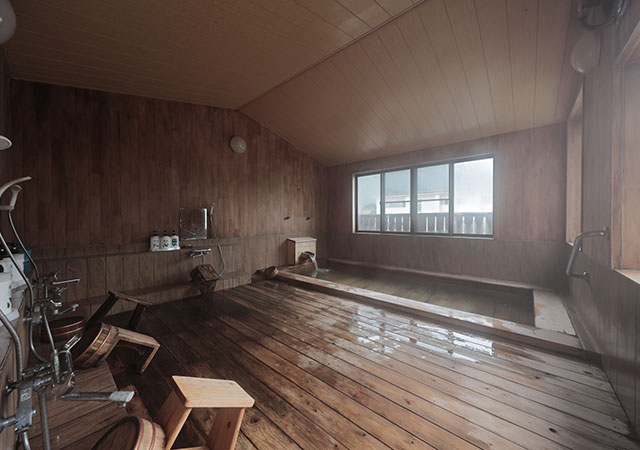 Hot Spring Bathroom
The inn’s bath is open 24 hours a day. The gentle hot spring water was soothing on the skin.
 Japanese Room
A purely Japanese-style room awaited me. The staff prepared the futon bedding, ensuring a restful night’s sleep without any hassle.
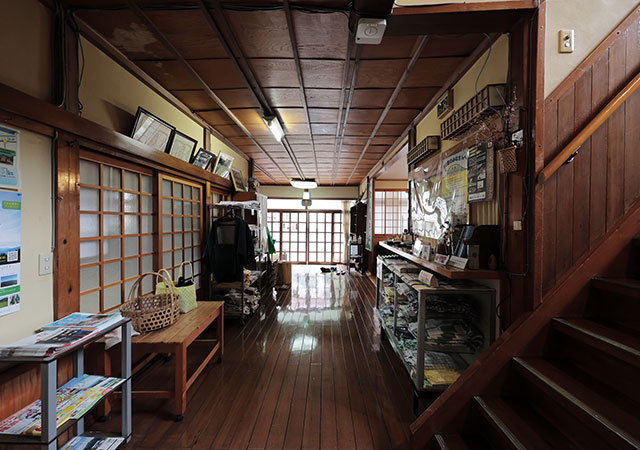 Inn's corridor
The wooden corridor, bathed in soft light, carries a nostalgic air — reminiscent of Japan’s old schoolhouses from decades past.
A friendly photo
with the kind-hearted owner
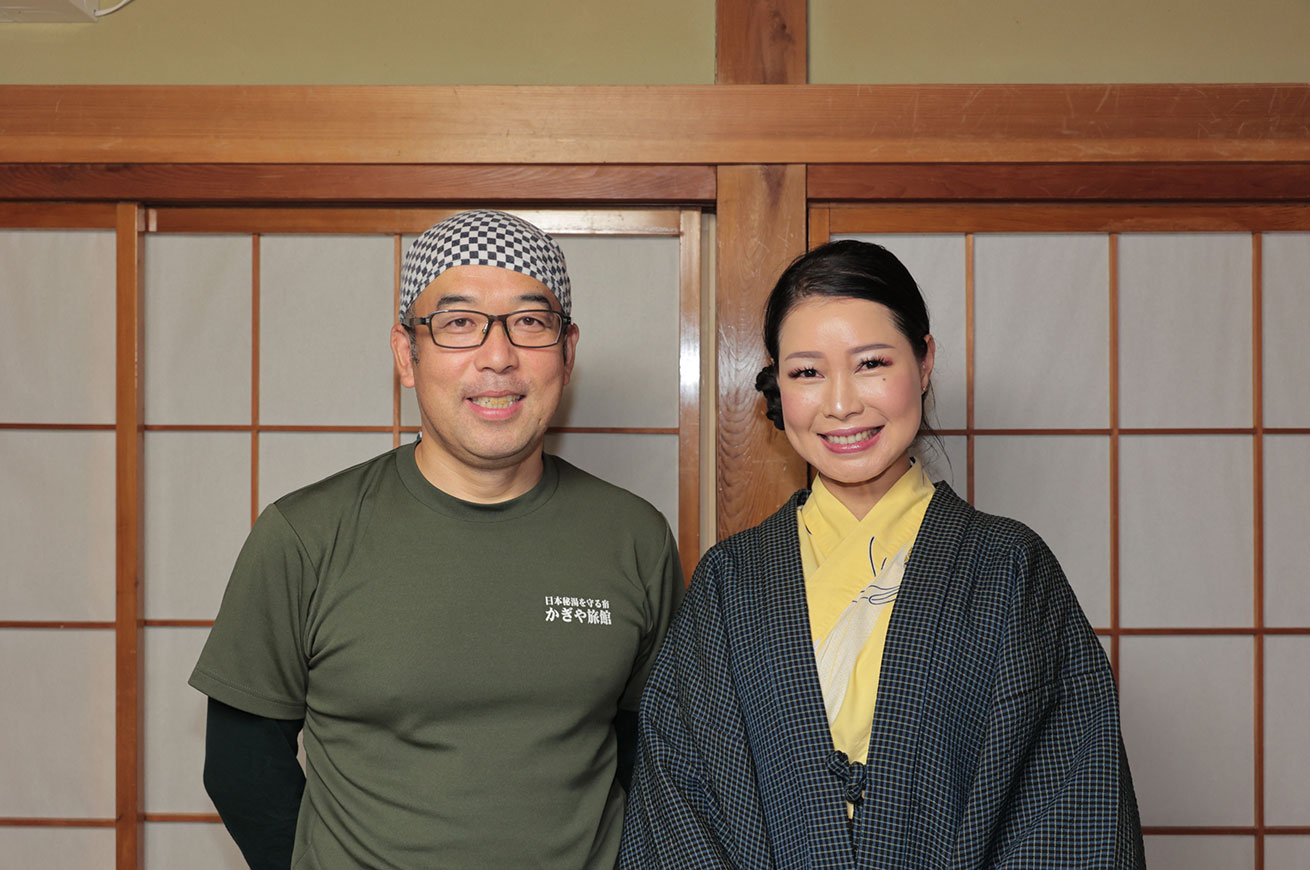
To commemorate the interview, I took a photo with the inn’s owner. He doesn’t speak English, but with the help of a smartphone translation app, he eagerly explains his dishes and the village’s history to foreign guests — a wonderful example of hospitality transcending language.
10:00
Learning About Oze Within
Hinoemata Village
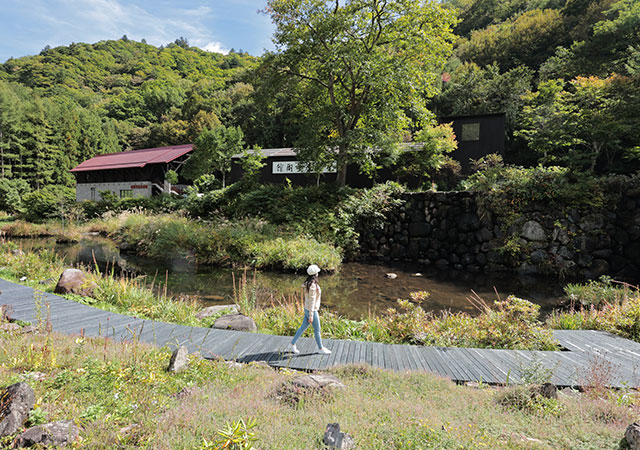
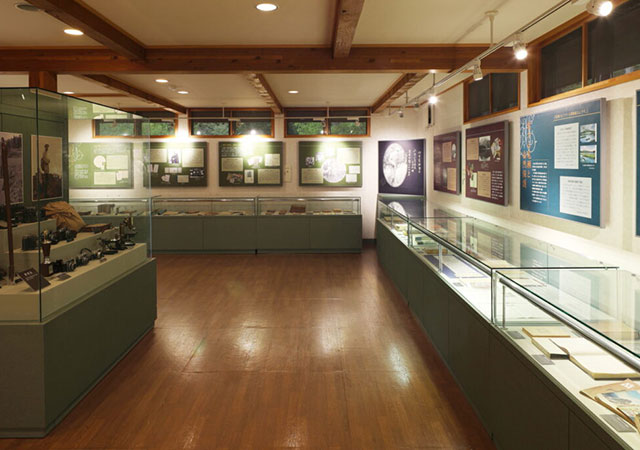
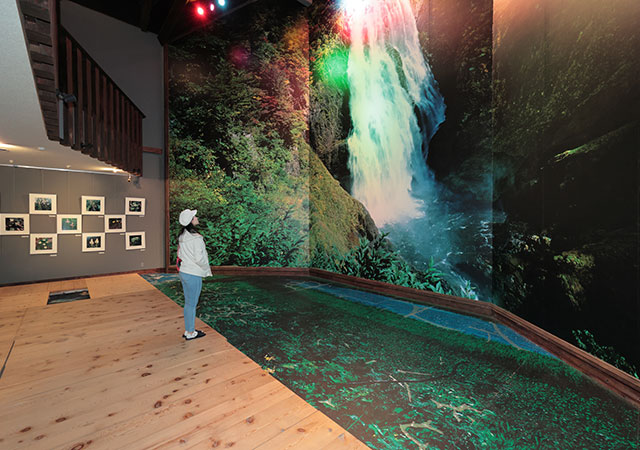
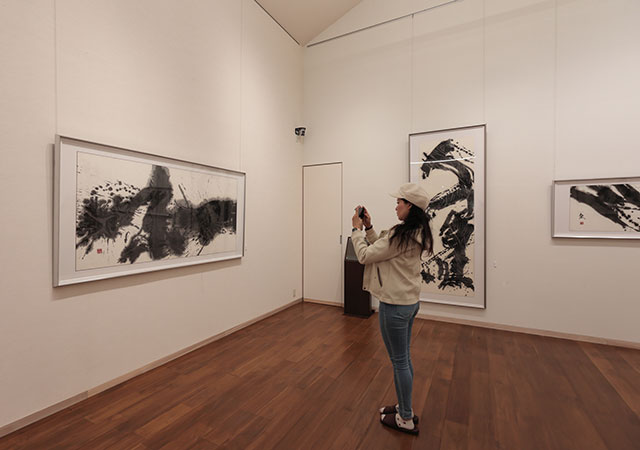
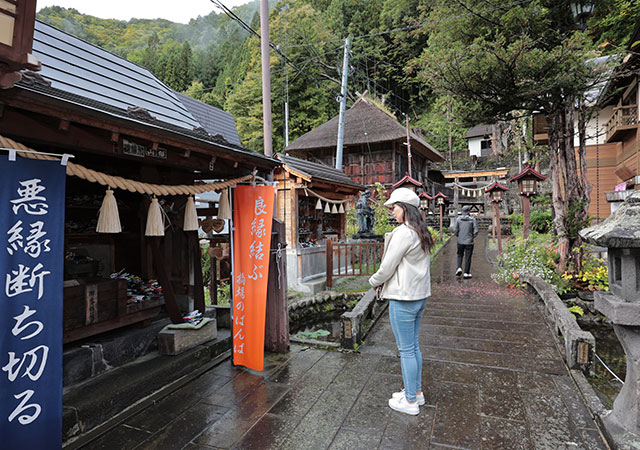
In the village, you can find several places that deepen your understanding of Oze. These include the Memorial Hall of Hisayoshi Takeda, a pioneer of Japan’s nature conservation movement (currently closed for renovation until spring 2026); the Photography Museum of Shiro Shirahata, a mountain photographer who loved Oze; and an art museum displaying the calligraphy of Shikyo Tanji, who cherished the nature and people of Hinoemata.
You can also visit the Hinoemata Kabuki Stage, where villagers have performed traditional kabuki plays for over 280 years since the Edo period.
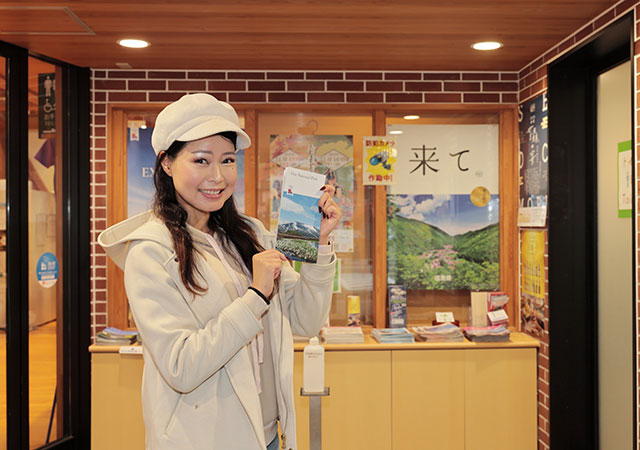
All information about these sites is available at the Oze–Hinoemata Travel Guide Office, so be sure to stop by when you arrive in the village.
Before leaving the village,
I picked up some local souvenirs —
a small reminder of this tranquil journey.
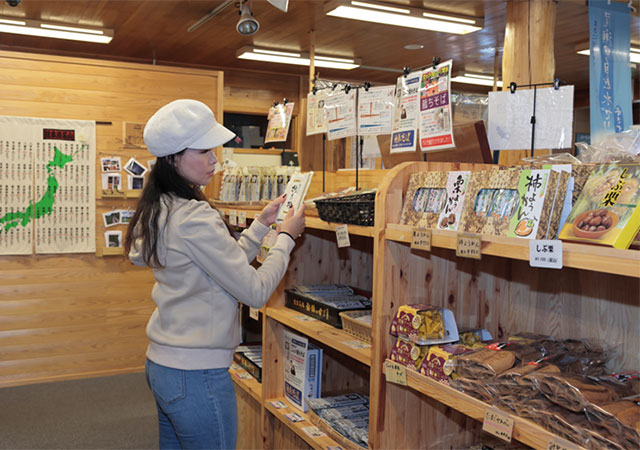
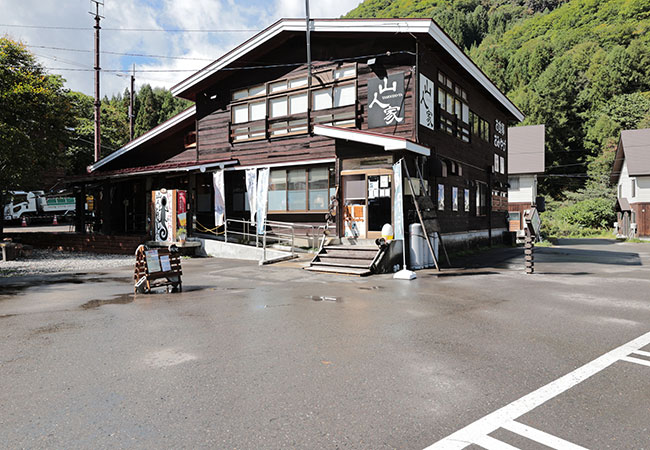
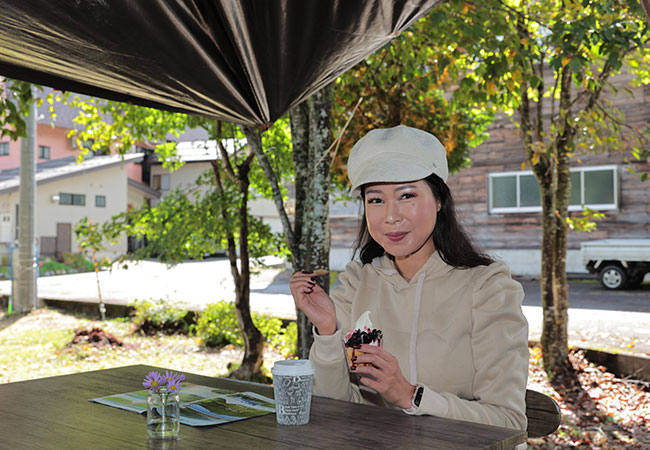
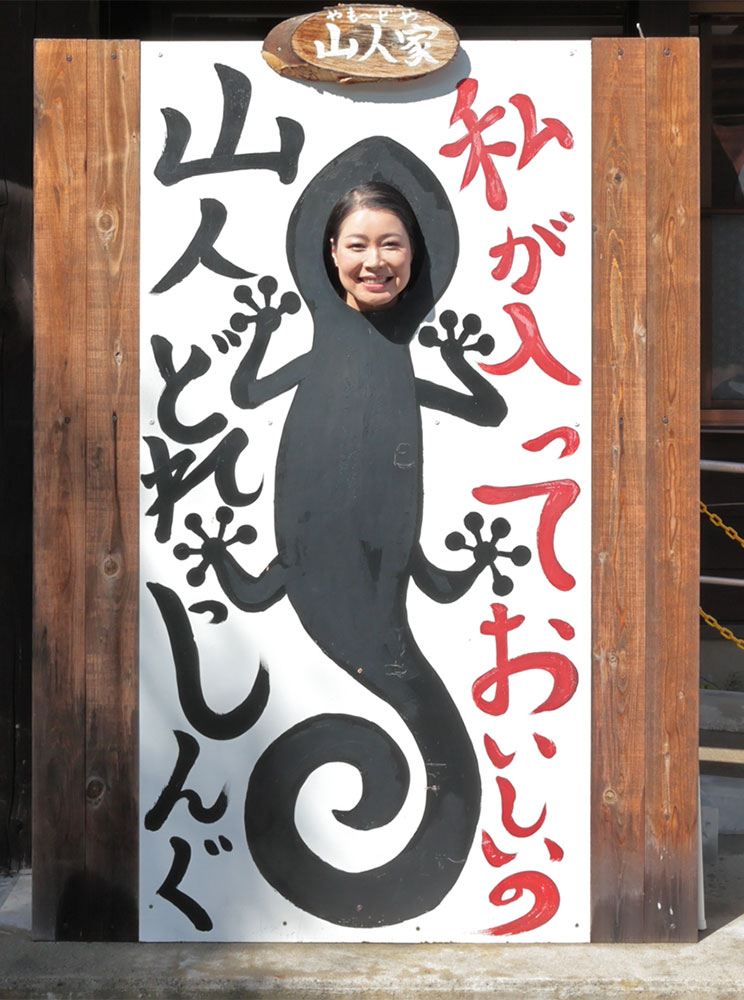
I bought soba noodles and sweet simmered char fish as souvenirs. I had hoped to get the roasted salamander dressing, but it was sold out — apparently very popular. A bit disappointed, I took a playful photo with the face-cutout board instead, saving the dressing for next time.
List of Shops in Hinoemata Village;
http://oze-info.jp/en/traveler02.html
Reflect on the journey
Oze, with its untouched natural beauty, was truly an amazing place.
I was deeply moved by the stories of the people who have dedicated themselves to protecting this precious environment.
Around the world, nature is disappearing at an alarming rate.
We humans have gained material wealth through development — yet, Oze reminds us that when we pause reckless development, our hearts, not just our lives, grow richer.
 Itenary of the Experience
Day 1
- 10:30
- Start Hiking to Ozenuma

- 12:00
- Sightseeing around Ozenuma

- 16:00
- Hot Spring in Hinoemata Village & check-in to Ryokan

Day 2
- 10:00
- Sightseeing around Hinoemata Village
5 Tips to enjoy “Hinoemata Village”
My journey @Hinoemata Village
Thanks to the abundant water supply in Oze, all Inns and Ryokans in Hinoemata Village offer hot spring baths. There are also three public baths in the village.