 Explore Plan 4
Fishing and Camping in the great outdoors, and enjoying Handmade Soba noodles you make yourself—unique experiences await in the Hidden village of Hinoemata.
Traveler
My name is Niklas Eriksson, a Swedish actor and filmmaker who has called Japan home for nearly three decades. When I was invited to write a travel story for nature-loving visitors, I didn’t hesitate. Although I wouldn’t describe myself as a “Japan expert,” Japan has become a part of my everyday life — from raising two children with my Japanese wife to spending weekends at our renovated farmhouse in the countryside. My car isn’t a Volvo but a trusty Subaru, a small symbol of how deeply I’ve blended into the rhythm of Japanese life.

Name: Niclas Ericsson
Hobby: D.I.Y, Extreme run
Nationality: Sweden
My Recommendations
- Catch a Wild Iwana(Char) with the Traditional “Tenkara” Fishing Experience!
- Soothe your chilled body in a natural, free-flowing hot spring — a moment of pure mountain bliss.
- Embrace the peace of solo camping — surrounded by the gentle sounds of the forest and flowing river.
- Try your hand at making “Tachi-Soba” — buckwheat noodles cut by knife — and immerse yourself in the rich local culture of the village.
 10:30
10:30
Catch a Wild Iwana(Char) with the Traditional
“Tenkara” Fishing Experience!
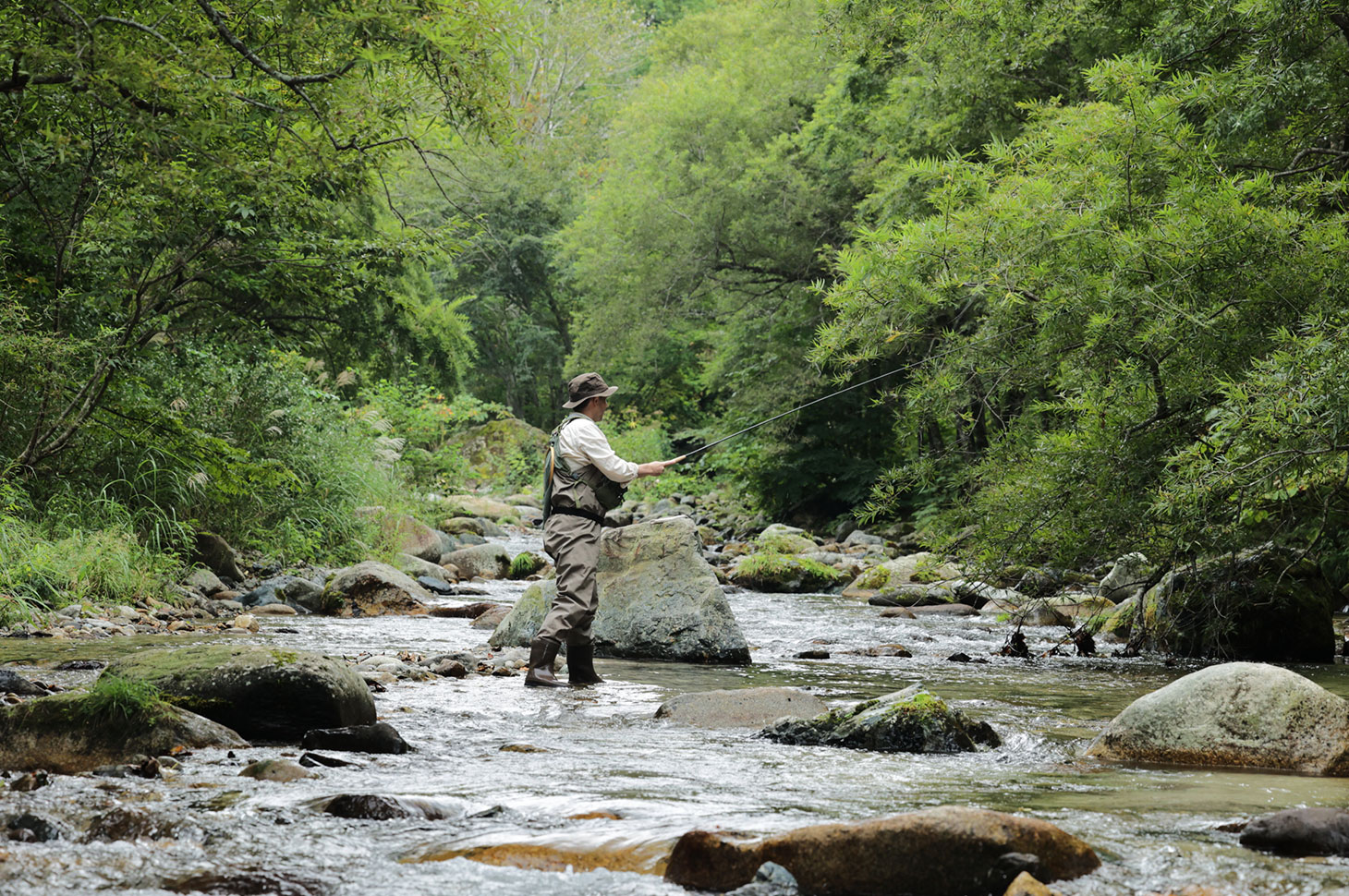
As the fishing season drew to a close, I ventured into the crystal-clear streams of Hinoemata Village to try my luck at catching wild Iwana(Char).
Most developed nations — those with the awareness and resources to protect nature — set closed seasons for fishing salmonid species that live in freshwater. In the Northern Hemisphere, this usually falls between autumn and winter, when the fish are spawning.
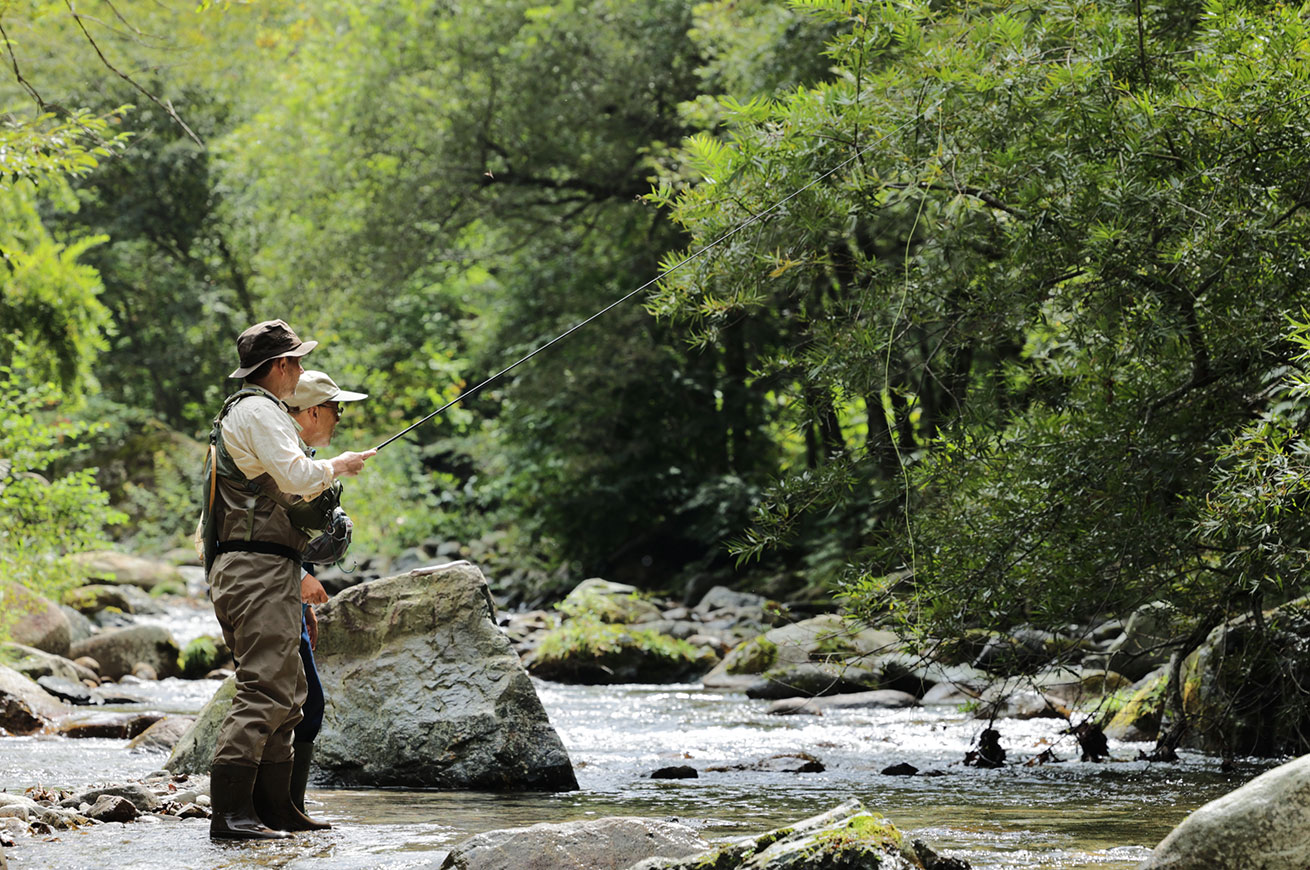
 In the mountain streams, each cast of the line draws you closer to nature — a serene fishing experience unlike any other.
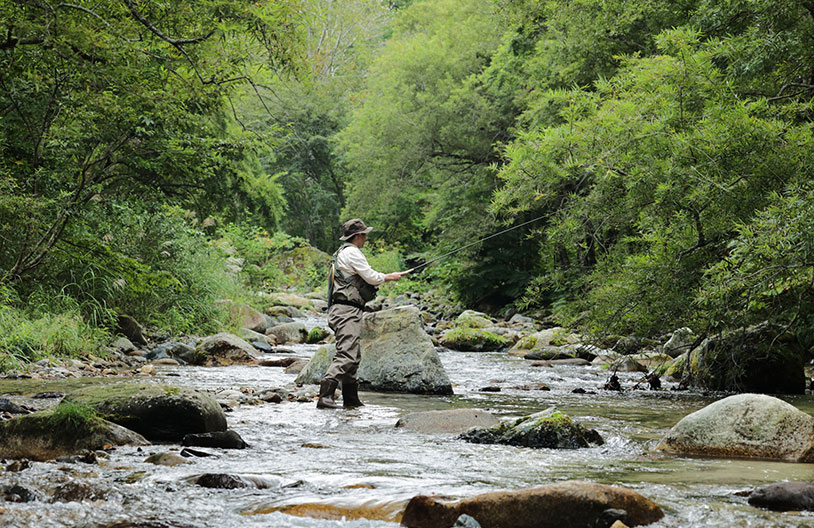
In the very last week of September, just before the season closed, I traveled to Hinoemata Village, a remote mountain hamlet in Fukushima Prefecture, to try my hand at catching Iwana (Char) using Japan’s traditional fishing method known as Tenkara. Tenkara, simply put, is a style of fly fishing without a reel — easy to handle even for beginners. Some local fishing guides offer full rental gear, from rods to waders. Since most guides don’t speak much English, it’s best to contact the Hinoemata Village Tourist Information Center in advance and inquire in English.
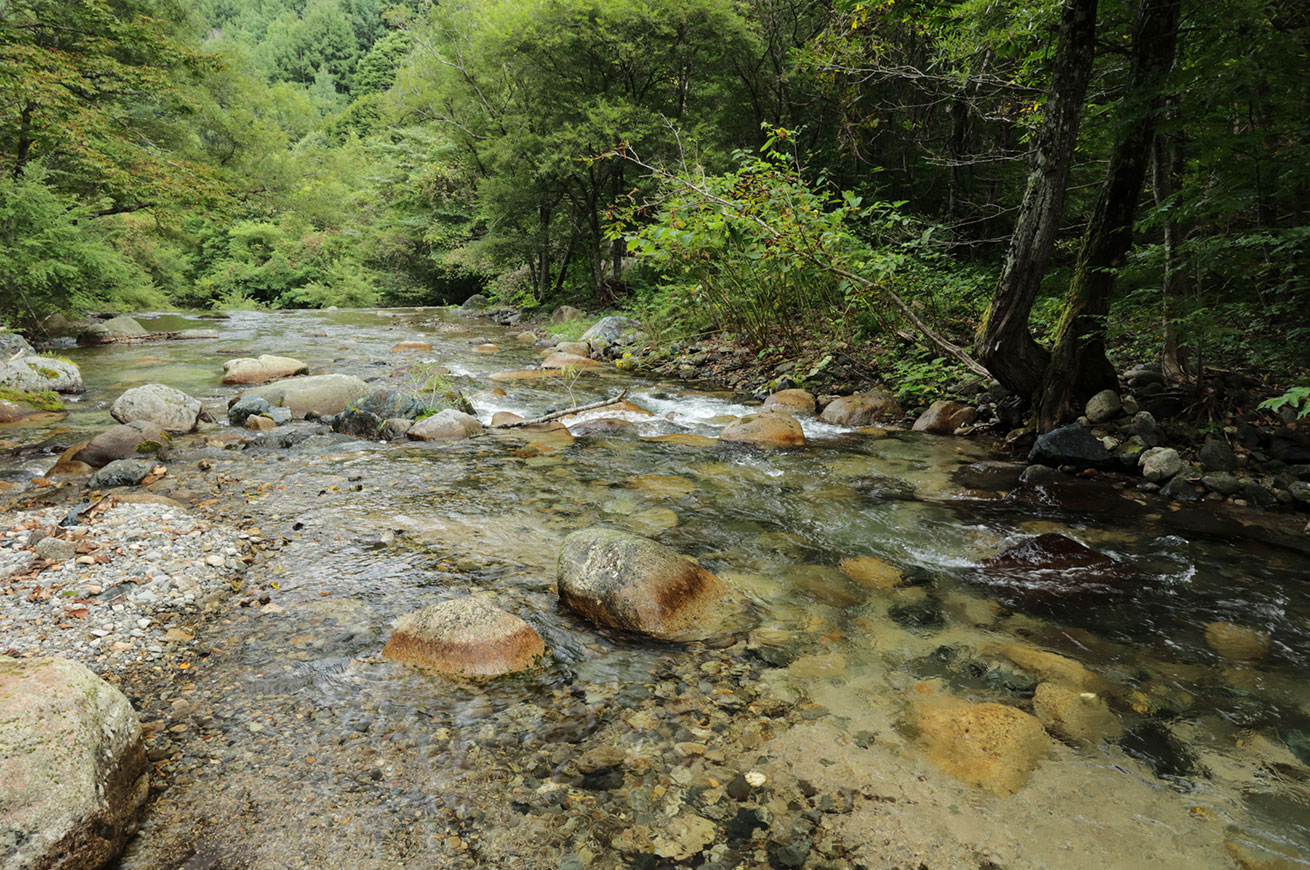
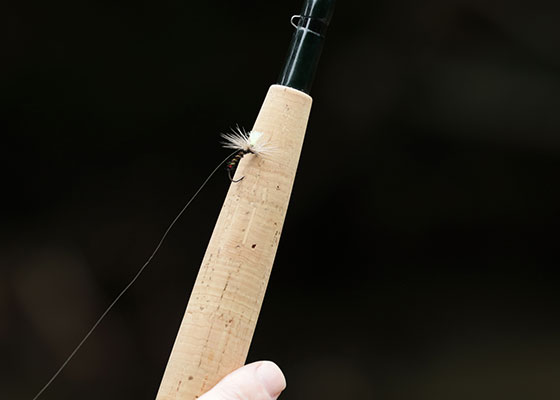
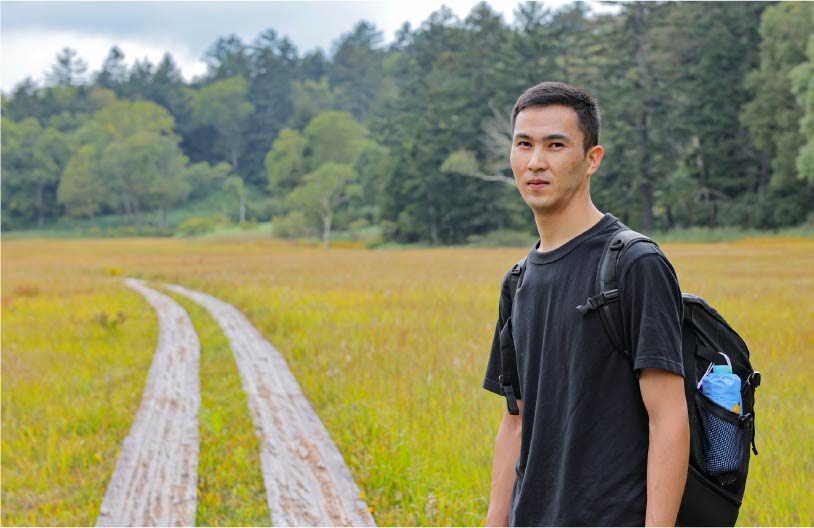
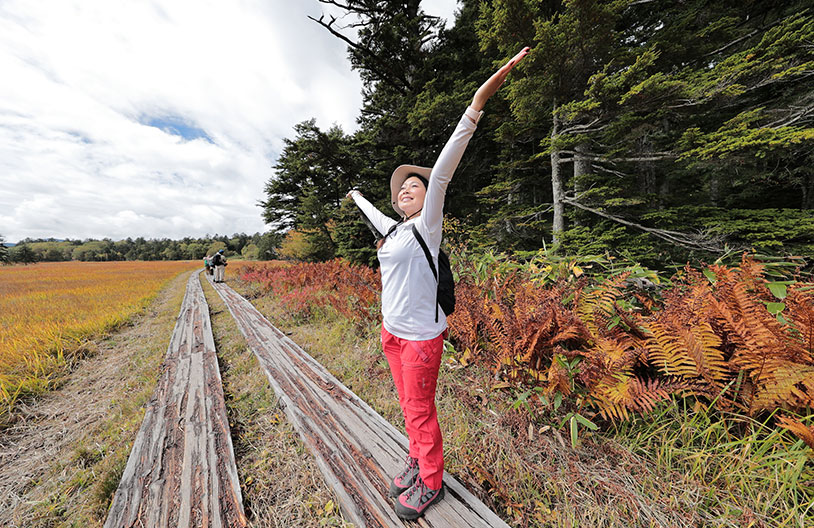
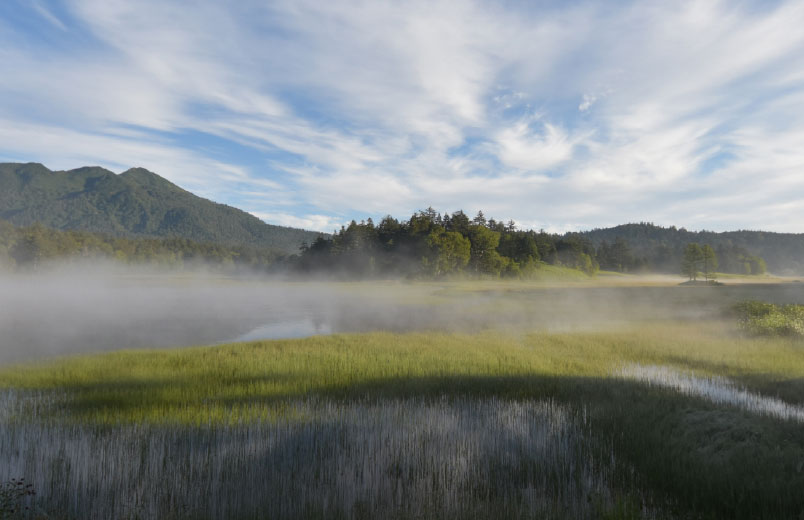
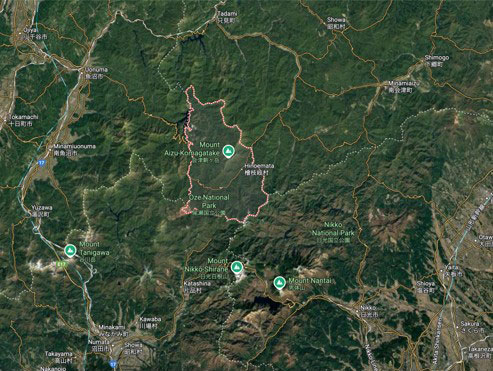
Hinoemata Village sits at an elevation of around 1,000 meters, serving as the gateway to Oze, Japan’s largest mountain wetland. Winters here bring heavy snowfall, and even at the farthest point from the snow season — early autumn — the water remains icy cold. The rivers are astonishingly clear, what English anglers would call “gin clear. ”The iwana (Char) I was after can only survive in pristine conditions: water temperatures below 15°C and a Biochemical Oxygen Demand (BOD) of less than 2 mg/L. The stream I fished was untouched — no settlements upstream, only pure wilderness. As I cast my Kebari (traditional Japanese fly) and mimicked the motion of insects landing on the surface, I found myself completely absorbed in the moment. Before I knew it, I felt as though I had become part of the natural rhythm itself — seamlessly connected to the living world around me.
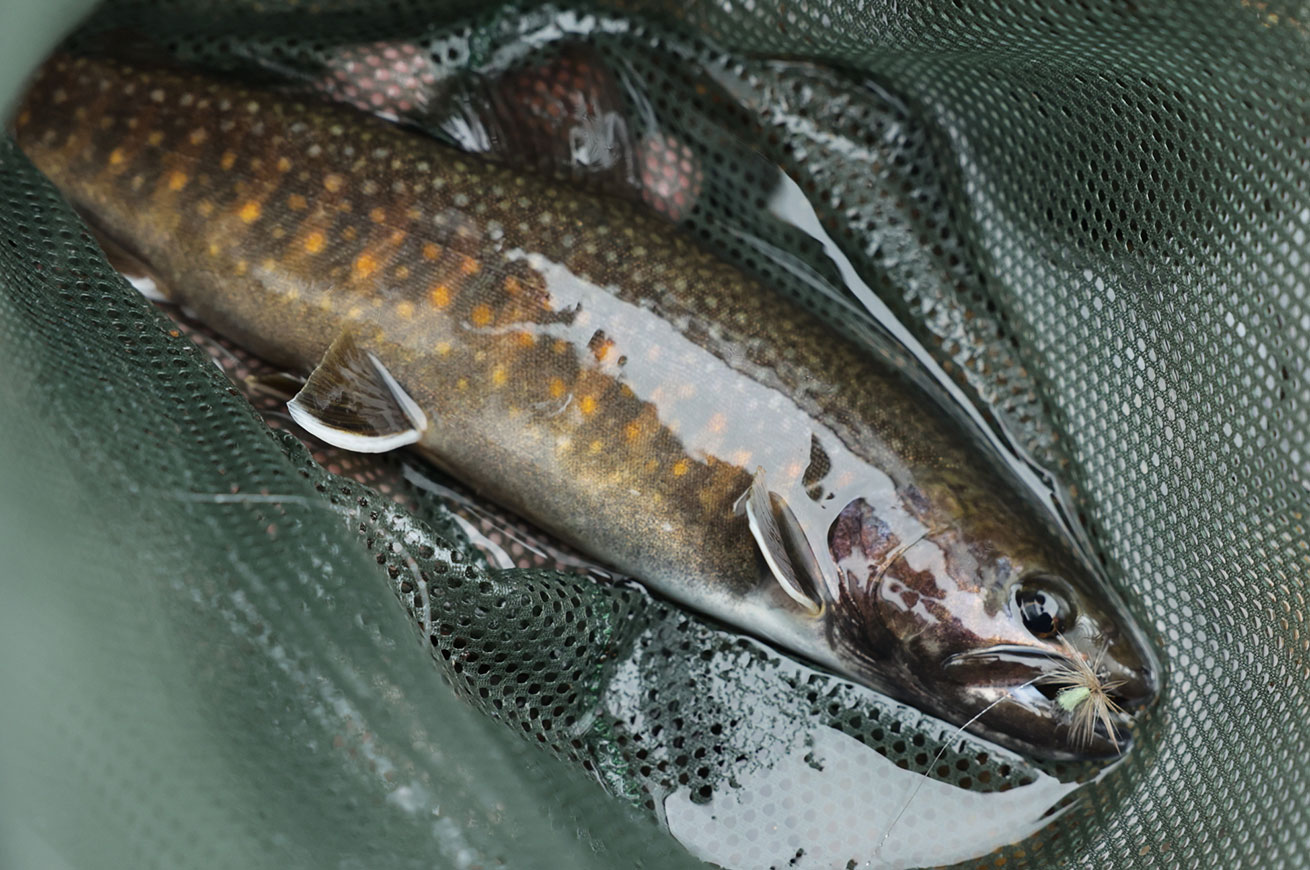
Catching a wild Iwana in its vibrant spawning colors.
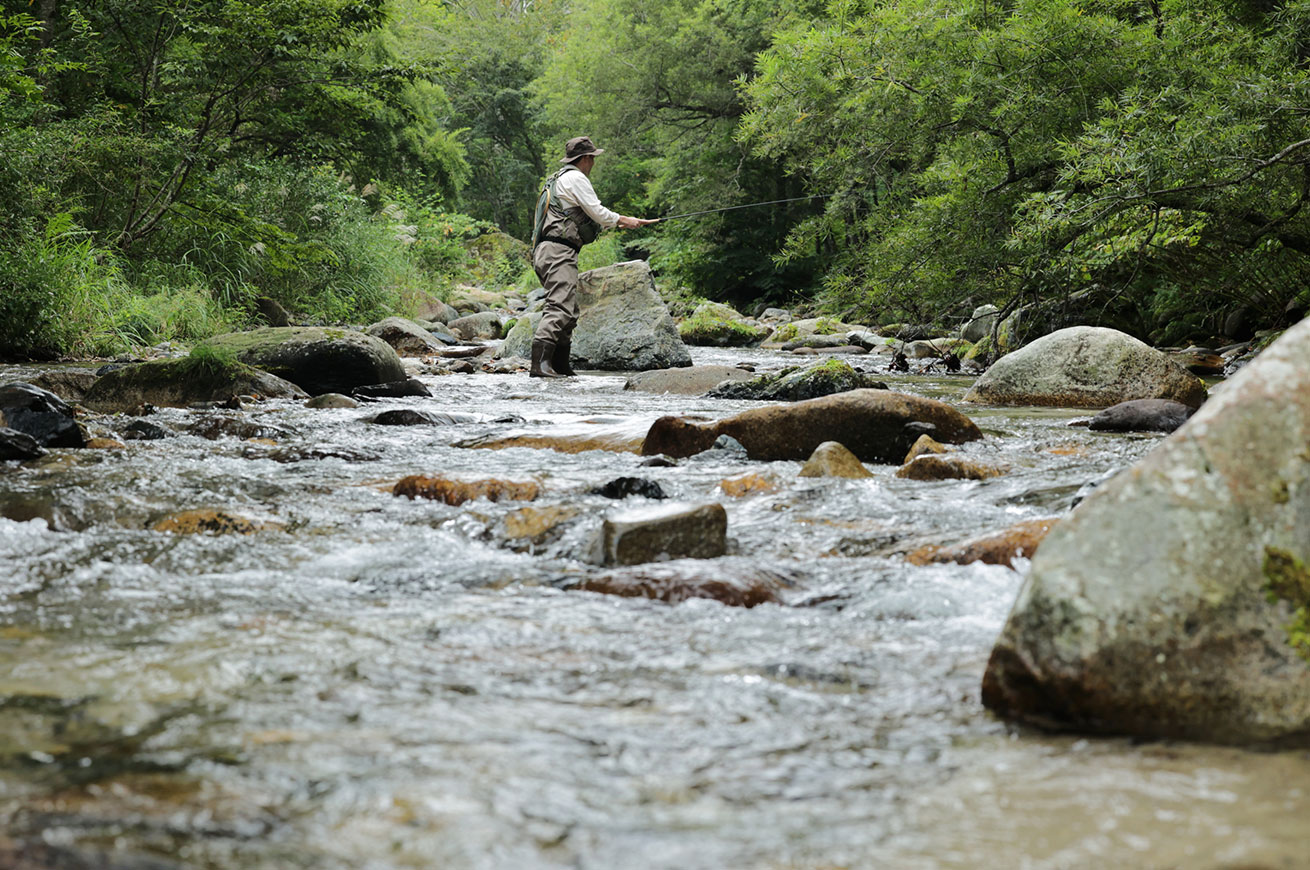
After about two hours of wading through rivers that flowed deep within the primeval forest, I finally caught an Iwana. Not bad for a first attempt — in fact, I was overjoyed, nearly jumping for joy.
What I had landed was a wild Nikko Iwana, its body glowing with brilliant spawning colors and a truly untamed look.
Yes — I did it!!!
According to my local fishing guide, most of the Iwana in the river are raised in fish farms and later released — truly wild ones are rare. At first, I thought I might take one back to cook for my camp meal, but since this was a wild Iwana, I decided to catch and release it instead.
For those who’d like to taste Iwana, farm-raised ones can be purchased at the fishing ponds in Hinoemata Village.
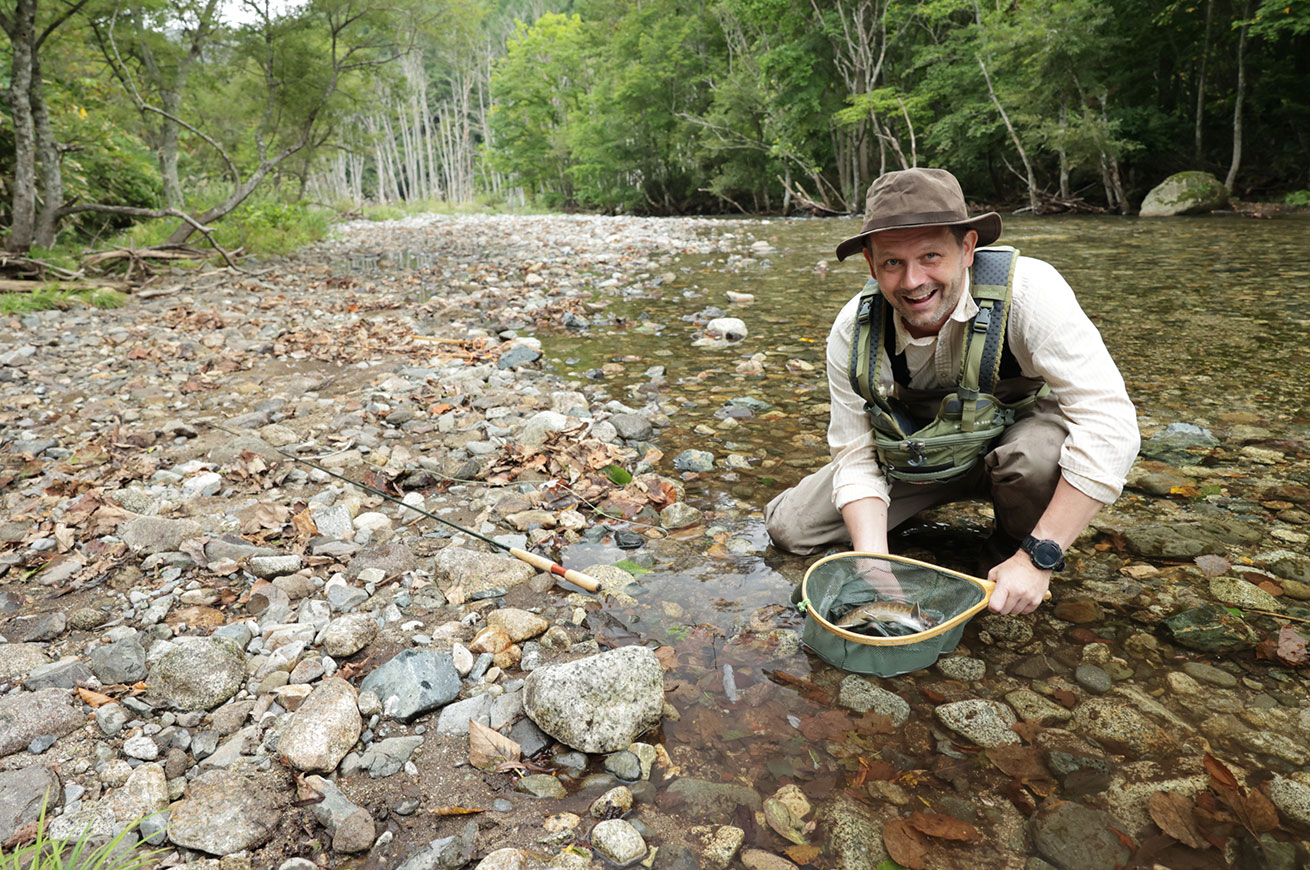
I see now — after trying it myself, I understand why Tenkara fishing might be better suited than fly fishing for catching Iwana in mountain streams. These fish prefer brook-like waters rather than large, open streams.
When fly fishing for Iwana, you’d need precise casting skills to drop the fly accurately amid obstacles like overhanging branches and rocks. In such tight, intricate environments, Tenkara’s simplicity becomes a real advantage.
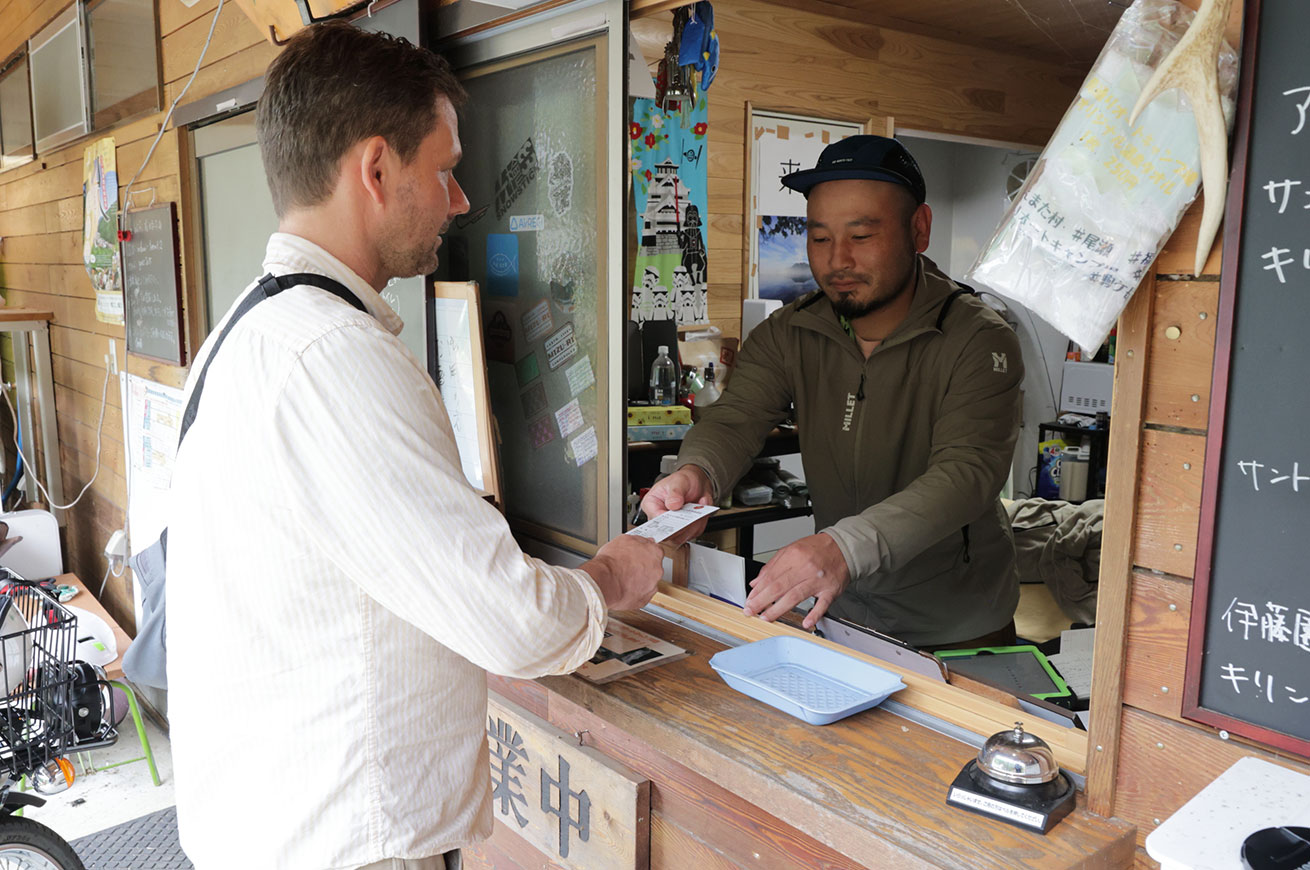
Fishing permits (Yūgyo-ken) can be purchased at various locations throughout the village.
A quick tip: You’ll need a fishing permit to cast your line in Hinoemata’s rivers. I picked mine up at the campsite where I stayed, but you can also get one easily at local shops, inns, or the village’s mountain travel guide office.
 14:30
14:30
Soothe your chilled body in a natural,
free-flowing hot spring
— a moment of pure mountain bliss.
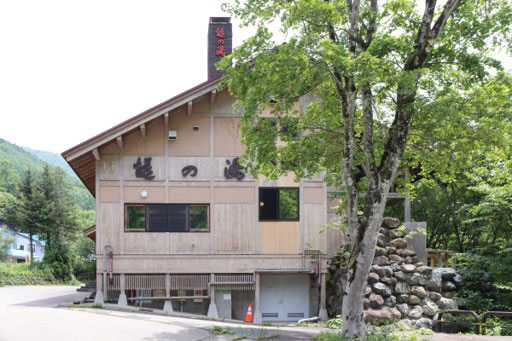
The blessings of water-rich Hinoemata Village
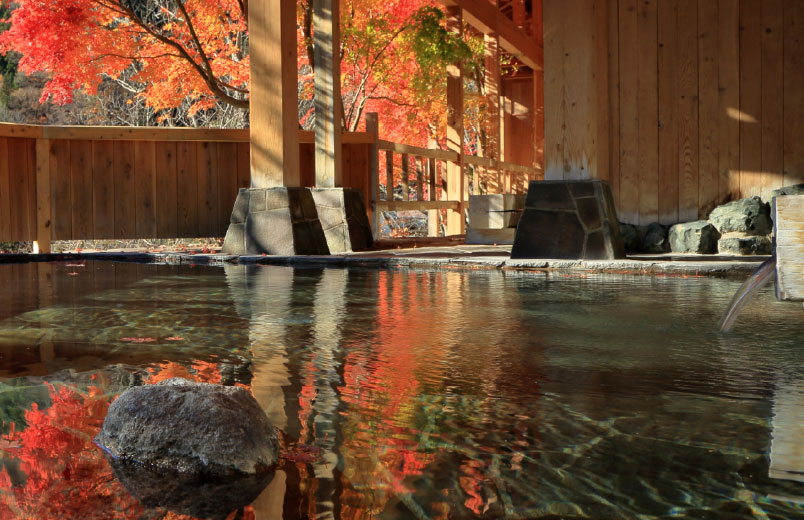
— a 100% free-flowing natural hot spring.
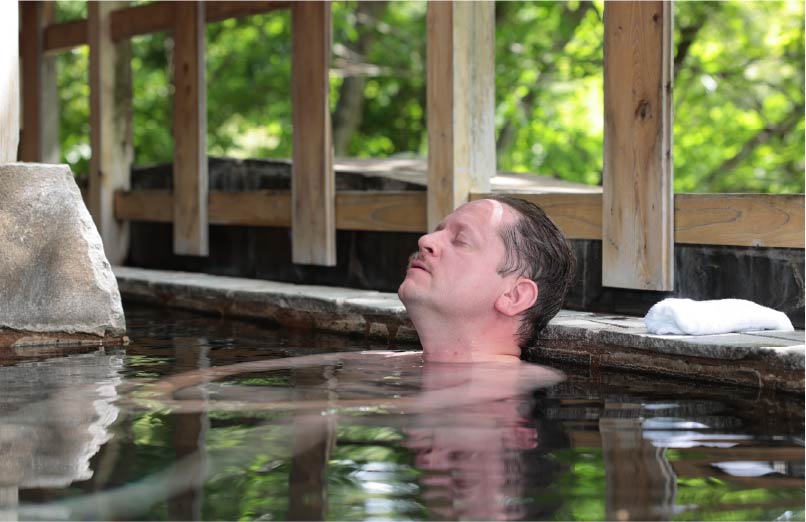
After parting ways with my fishing guide, I made a beeline for the hot springs — the icy mountain water had chilled me to the bone. Of the village’s three public baths, I chose Hiuchi-no-Yu, thanks to a discount ticket I’d received at the campsite.
List of hot springs: https://www.oze-info.jp/en/
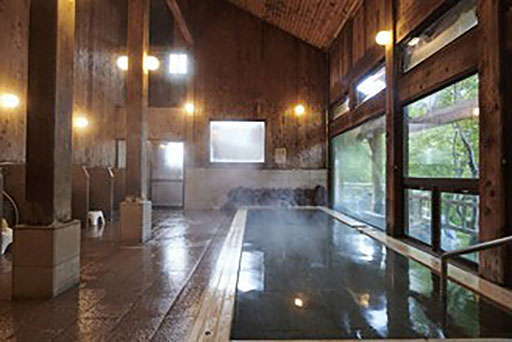
Hiuchi-no-Yu is a sulfur-scented hot spring, supplied directly from the source — not the recirculated type often found in Japan’s urban areas. There’s nothing wrong with eco-friendly recirculation systems, of course, but Hinoemata is blessed with something different: an abundance of pure, flowing water. Just like the crystal-clear streams I fished earlier, this village — nestled below Oze, Japan’s largest mountain wetland — is a place where water is truly alive.
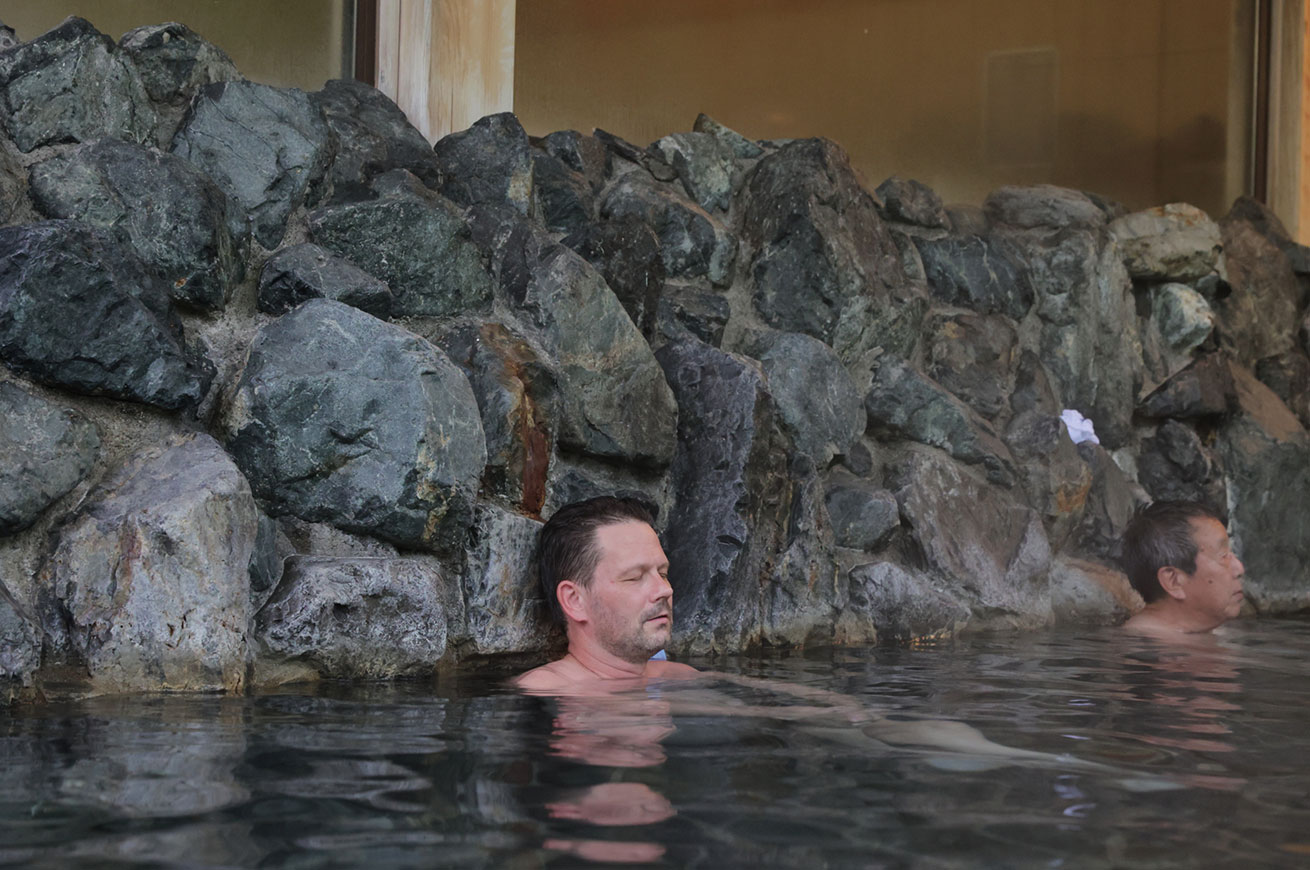
Bathing Etiquette and the Japanese Way
Recently, foreign visitors to Japan have become remarkably respectful of onsen etiquette. Still, for those unfamiliar, let me offer a few tips. Before entering the hot spring, wash your body thoroughly. And most importantly, never dip your towel into the bathwater. A Japanese friend once told me that even many locals ignored this rule back in the 20th century — times have certainly changed.
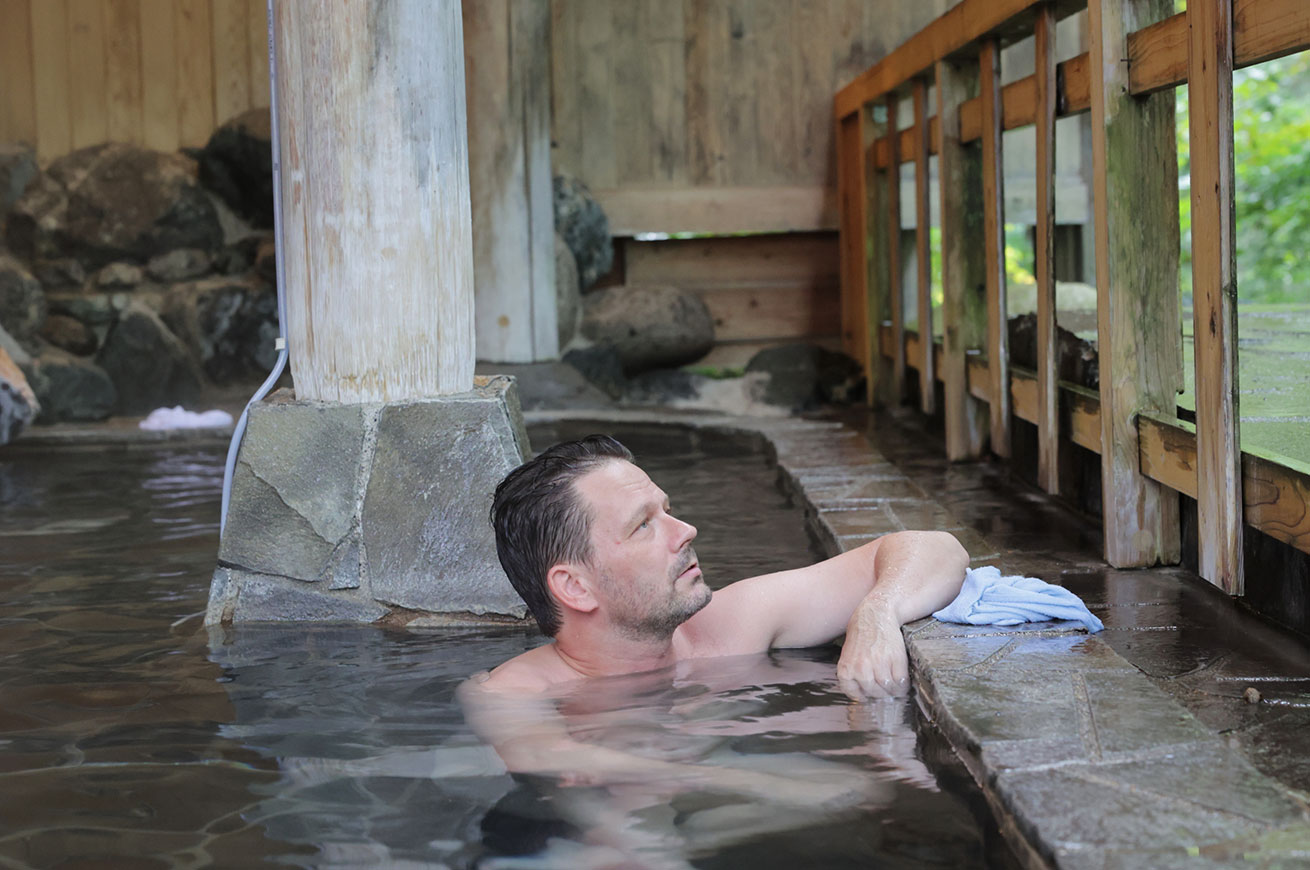
When I first visited Japan during the 1998 Nagano Olympics, I remember some hot springs being far from clean. But the Japanese have a curious national trait — once a standard of manners is established, people begin to follow. Cigarette butts that once littered the streets have vanished entirely; now, you can hardly find one anywhere in Japan. There’s no doubt — public manners here have improved remarkably.
 15:30
15:30
Embrace the peace of solo camping
— surrounded by the gentle sounds of the
forest and flowing river.

Inspired by Japan’s latest outdoor trend, I set out to experience the quiet freedom of solo camping for myself.
In Japan, solo camping has become a big trend, especially among men in their 40s and 50s. The movement began during the COVID-19 pandemic, when many people started thinking, “If I can’t spend time with others, I’ll just enjoy being alone. Of course, camping with family and friends is fun, but as children grow up, those opportunities naturally become fewer. For people of my generation, solo camping offers a new kind of freedom — a quiet, personal connection to nature.
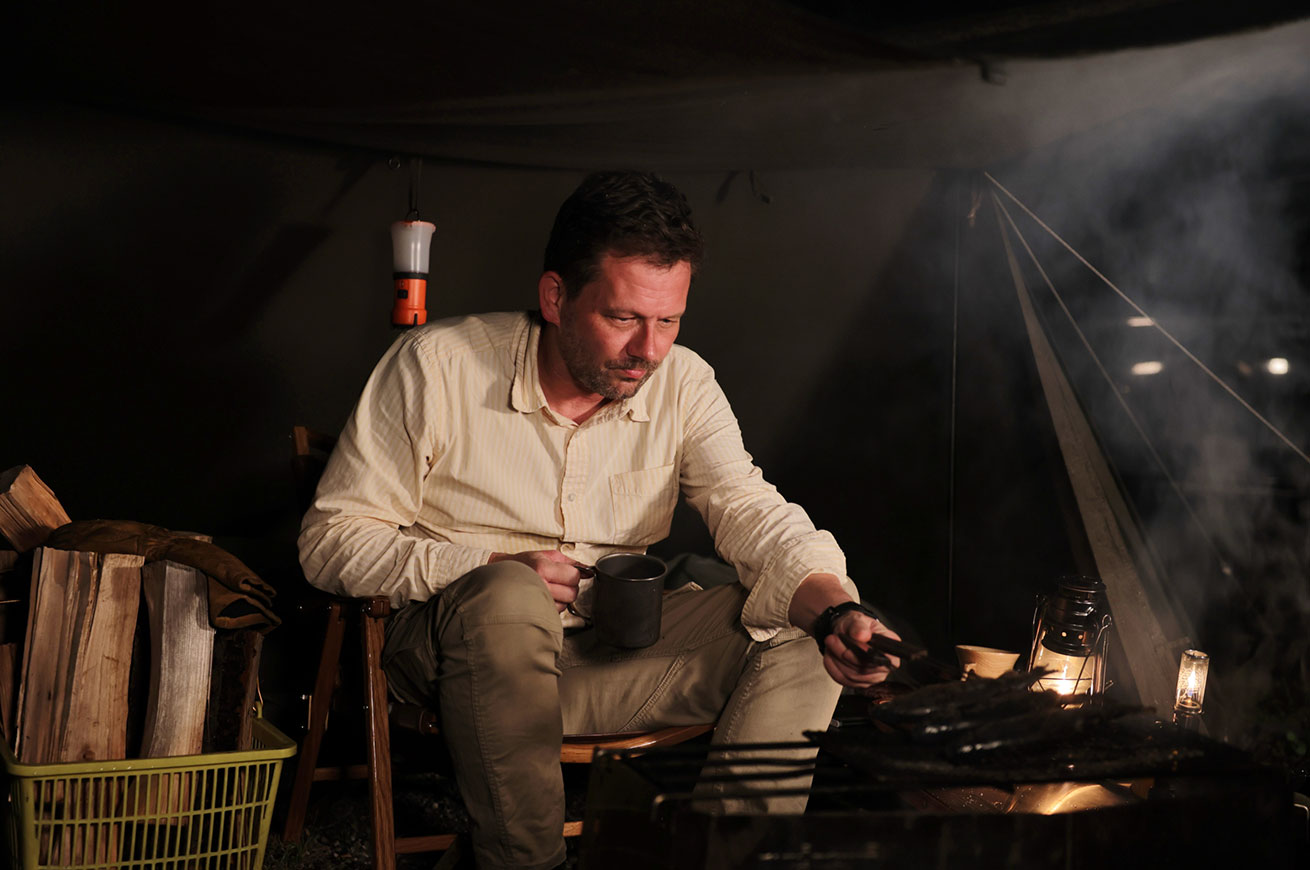
After soaking in the hot spring,
I let the scent of wood smoke cling
to me again by the campfire
— and somehow, that felt just right.
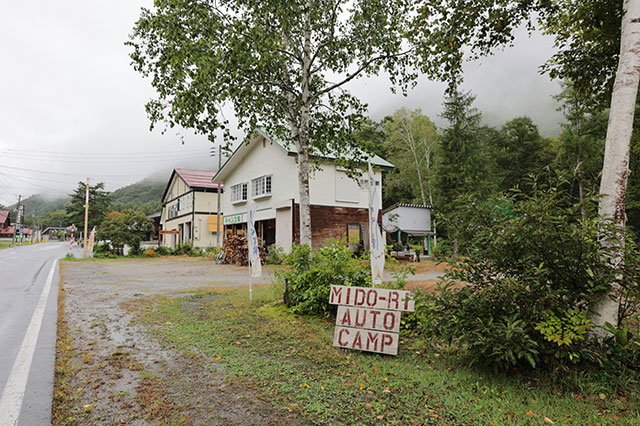
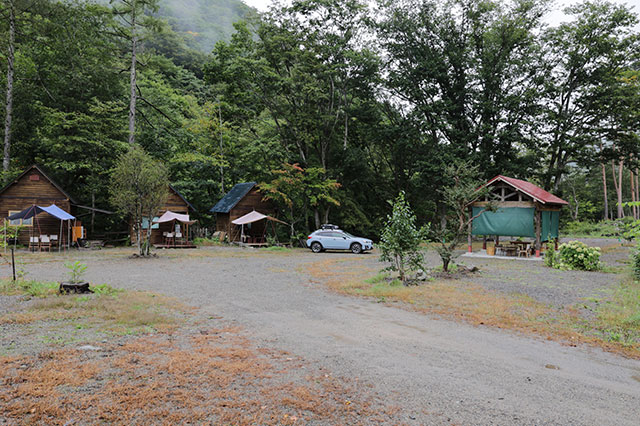
I stayed at Midoori Auto Campground, located near the entrance of the village. Though it sits along the main road, the traffic is minimal and hardly noticeable. What stood out far more was the soothing sound of the river flowing just behind the site — pure mountain music. That night, rain began to fall. But of course, that was no problem at all — just another rhythm added to nature’s symphony.
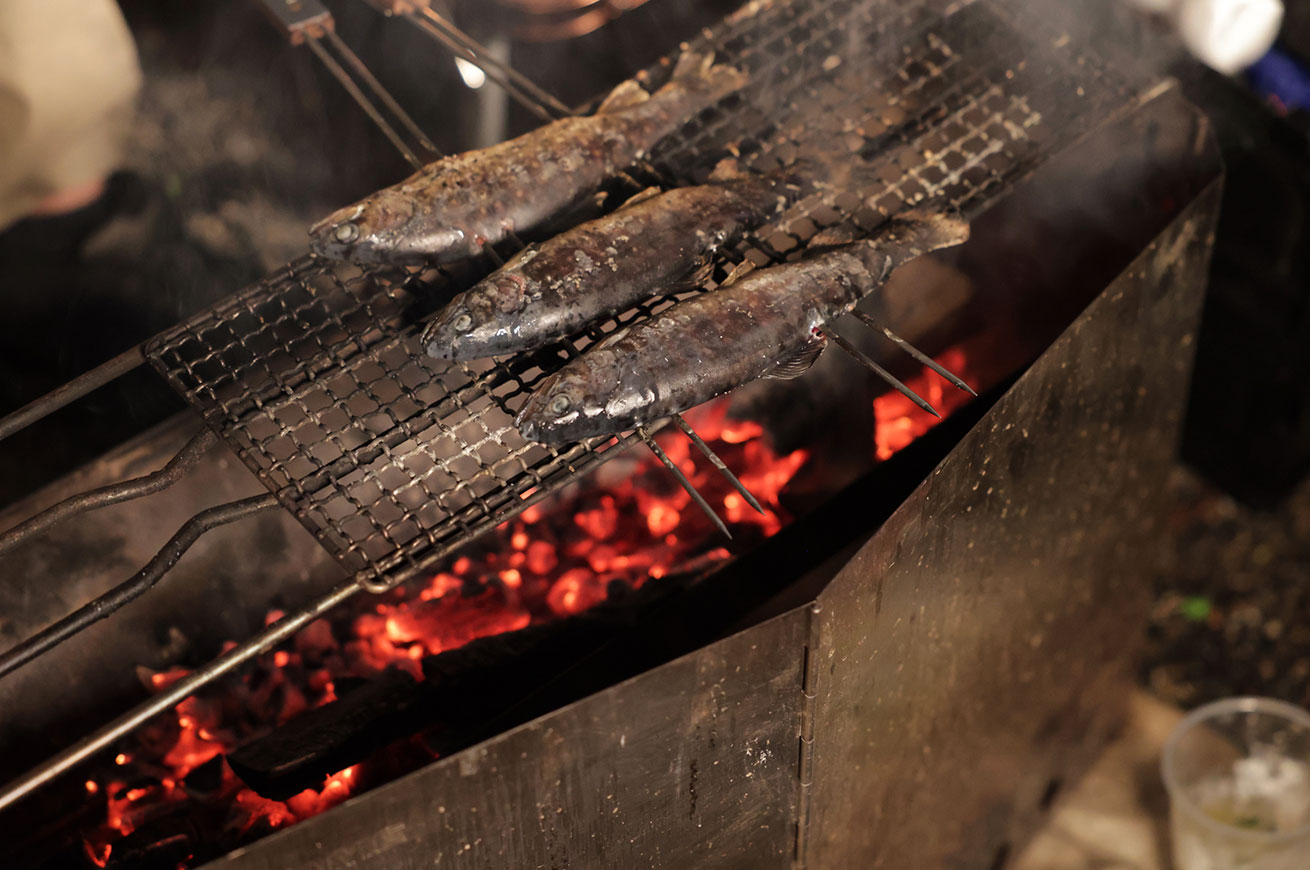
The sound of rain tapping against the trees, the murmur of the stream flowing behind me, and the soft crackle of firewood bursting in the flames — all formed a natural orchestra around my campsite.
I grilled Iwana I had bought from the local fishing pond and shared it with a Japanese friend I met there. Slowly smoked over glowing embers, the fish turned out beautifully aromatic. For the perfect pairing, I poured a glass of whisky — mixed, of course, with the pure spring water that flows straight from the taps of Hinoemata Village.

After grilling and savoring some fresh mutton I had bought in a nearby town, I settled into a moment of solitude. Perhaps because of the humidity in the air, the firewood gave off thick smoke — but that was all right; that, too, was part of nature’s order. In this quiet mountain village, carved deep by the flow of rivers, the sound of gentle rain at night soothed me completely —a calm so pure, it washed away every trace of the city’s noise and stress.
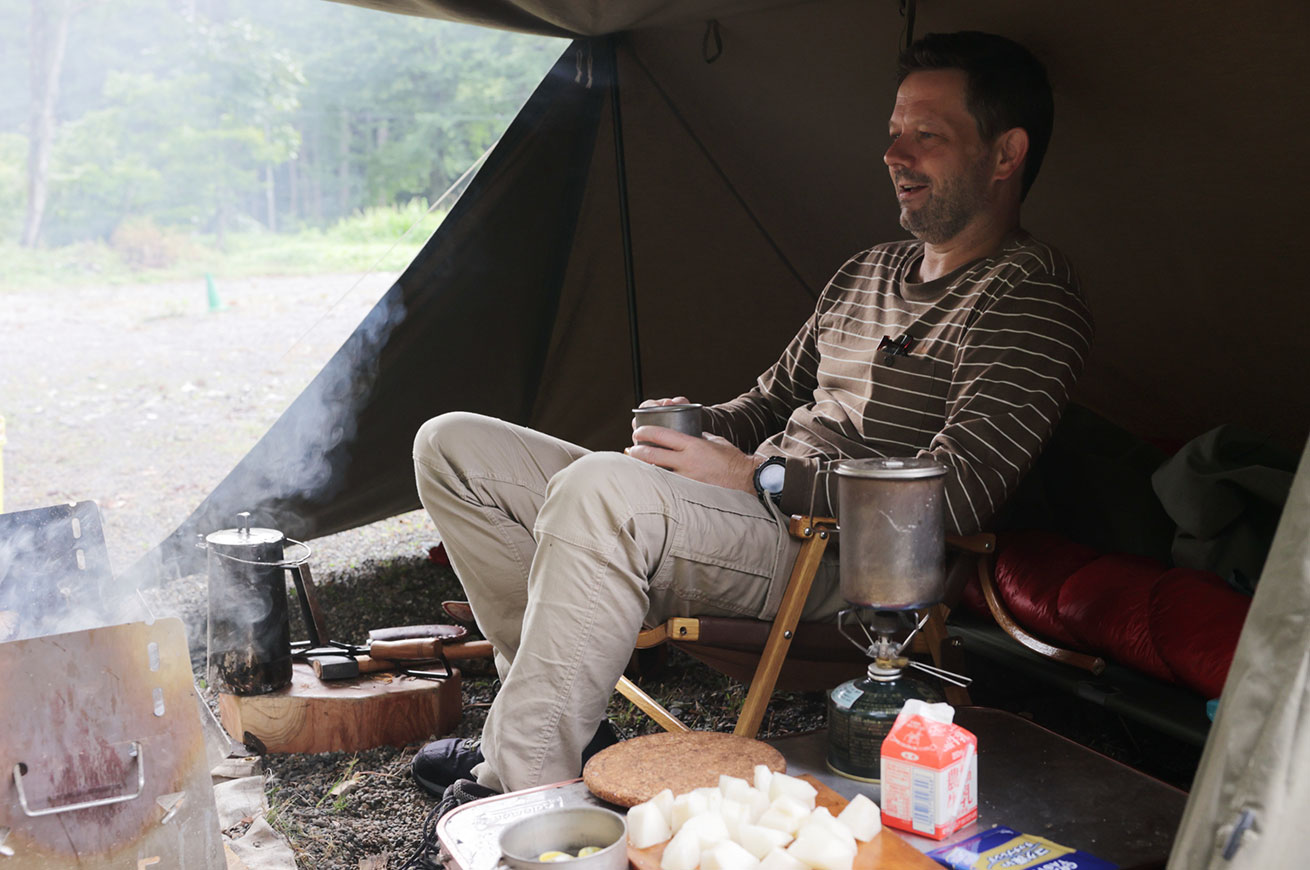
Fresh fruit to start the morning.
The next morning began with coffee brewed from pure spring water. It was a dark roast, so I turned it into a café au lait — and no, not every Swede drinks coffee with salt. Having perhaps enjoyed a little too much whisky the night before, I kept breakfast light — just a few sweet slices of pear.
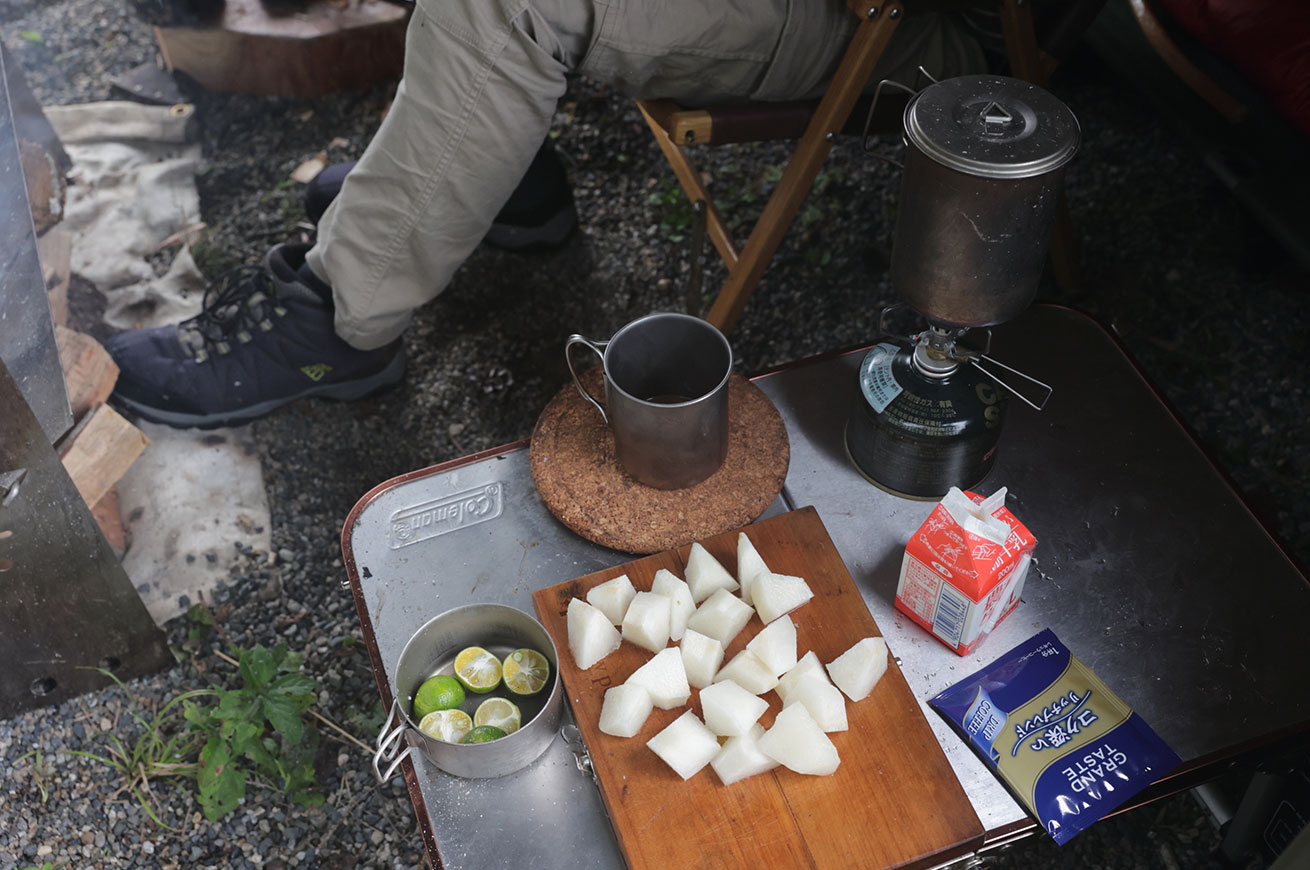
Japan, like many parts of East Asia, is blessed with a rich variety of pear cultivars — sweet, crisp, and refreshingly juicy. Unlike their Western counterparts, Japanese pears carry a subtle aroma but offer an irresistible crunch with every bite. They are a true taste of autumn — available only for a short season — and best enjoyed fresh. You can even find local fruits like these at village shops in Hinoemata. So when you visit, don’t miss the chance to savor Japan’s seasonal pears — nature’s own quiet luxury.
Enjoy “What I can by myself” in camping.
The real charm of camping lies in doing everything yourself — pitching the tent, cooking your meal, and cleaning up afterward. In Sweden, we have a saying: “Self is the best farmhand.” (in Swedish, Själv är bästa dräng.) I apply the same spirit at home and at my countryside cabin, where I handle repairs on my own. Once you get used to the convenience of city life, you start to miss a bit of inconvenience — the kind that reminds you you’re alive. Camping isn’t for those who depend entirely on others’ services. When I checked out, I wanted to thank the young owner of the campsite, but he was already off early that morning working in Oze, helping with village duties. Small mountain villages like Hinoemata — with only about 400 residents — thrive on mutual support. At the heart of that is the belief that you must first take care of yourself before you can help others. I found that spirit of self-reliance deeply admirable.
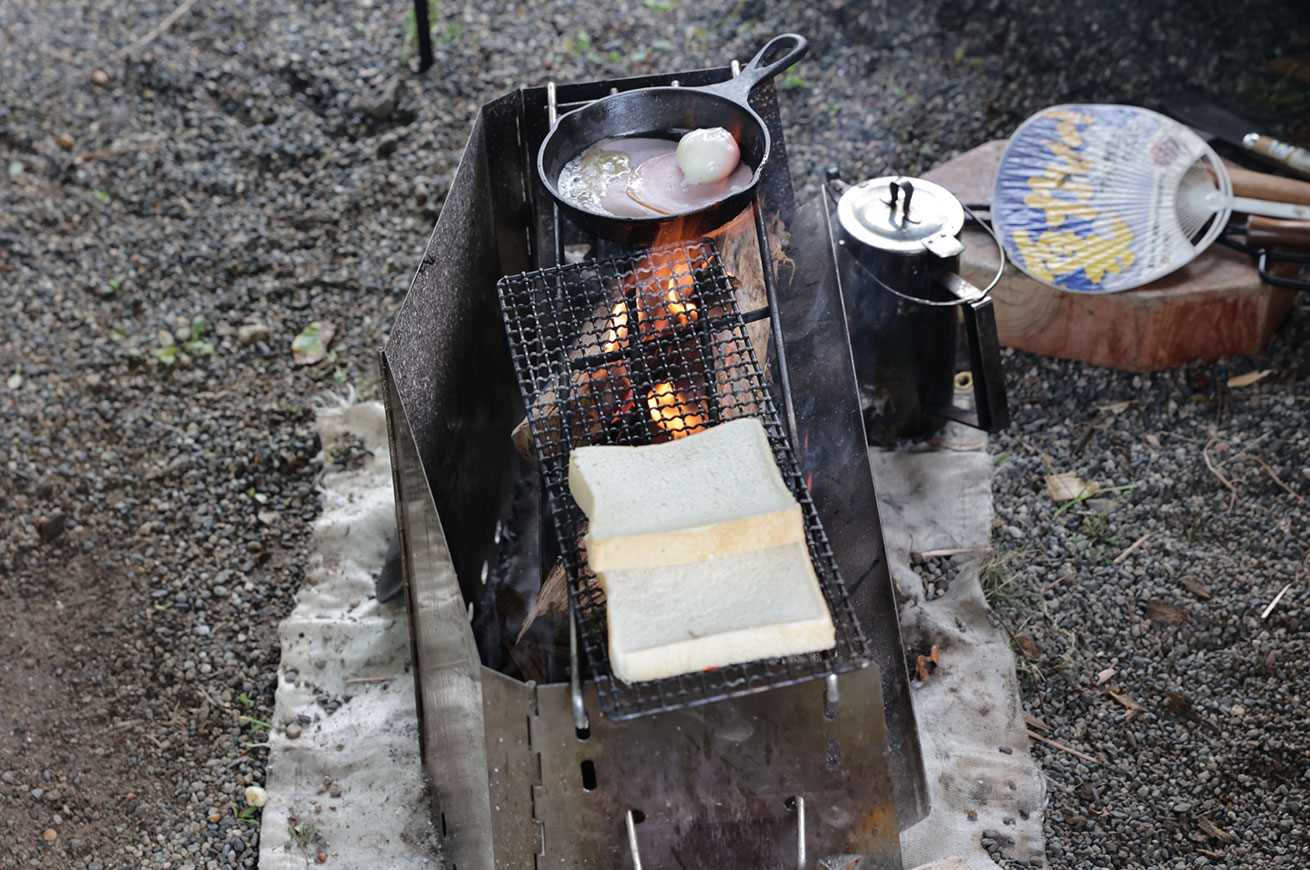
The campground offers well-equipped bungalows and plenty of rental gear, making it easy for anyone to enjoy the outdoors.
Naturally, it isn’t very practical for overseas visitors to bring their own camping gear such as tents to Japan. In that case, I recommend staying in one of the local bungalows. Equipment rentals are well organized, so you can easily enjoy an outdoor barbecue during the day and sleep comfortably under a roof at night. Even the Japanese campers I met there were renting clean bedding and seemed to be having a very pleasant stay.
 10:00
10:00
Try your hand at making “Tachi-Soba”
— buckwheat noodles cut by knife
— and immerse yourself in the rich local culture of the village.
「Tachi-Soba?」
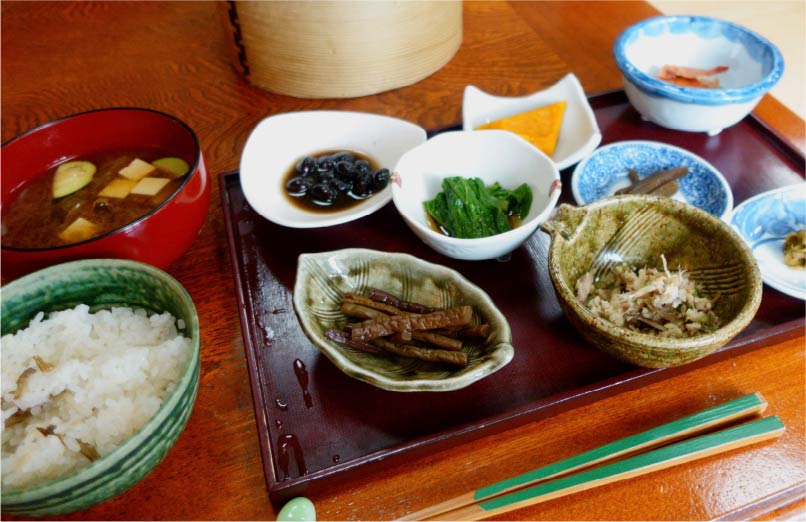
After leaving the campsite, I headed to a soba-making workshop in Hinoemata Village. The area is famous for its buckwheat noodles made entirely from soba flour, without any binding agents — a rarity even in Japan. The aroma is rich and earthy, and during the new soba season, many visitors come to enjoy it fresh.
Because pure soba dough is fragile and difficult to handle (most soba includes about 20% wheat flour), the locals developed a special technique: rolling the dough thin like cloth, folding it, and cutting it precisely by knife. This distinctive style is known as “Tachi-Soba”, or “cut soba.”
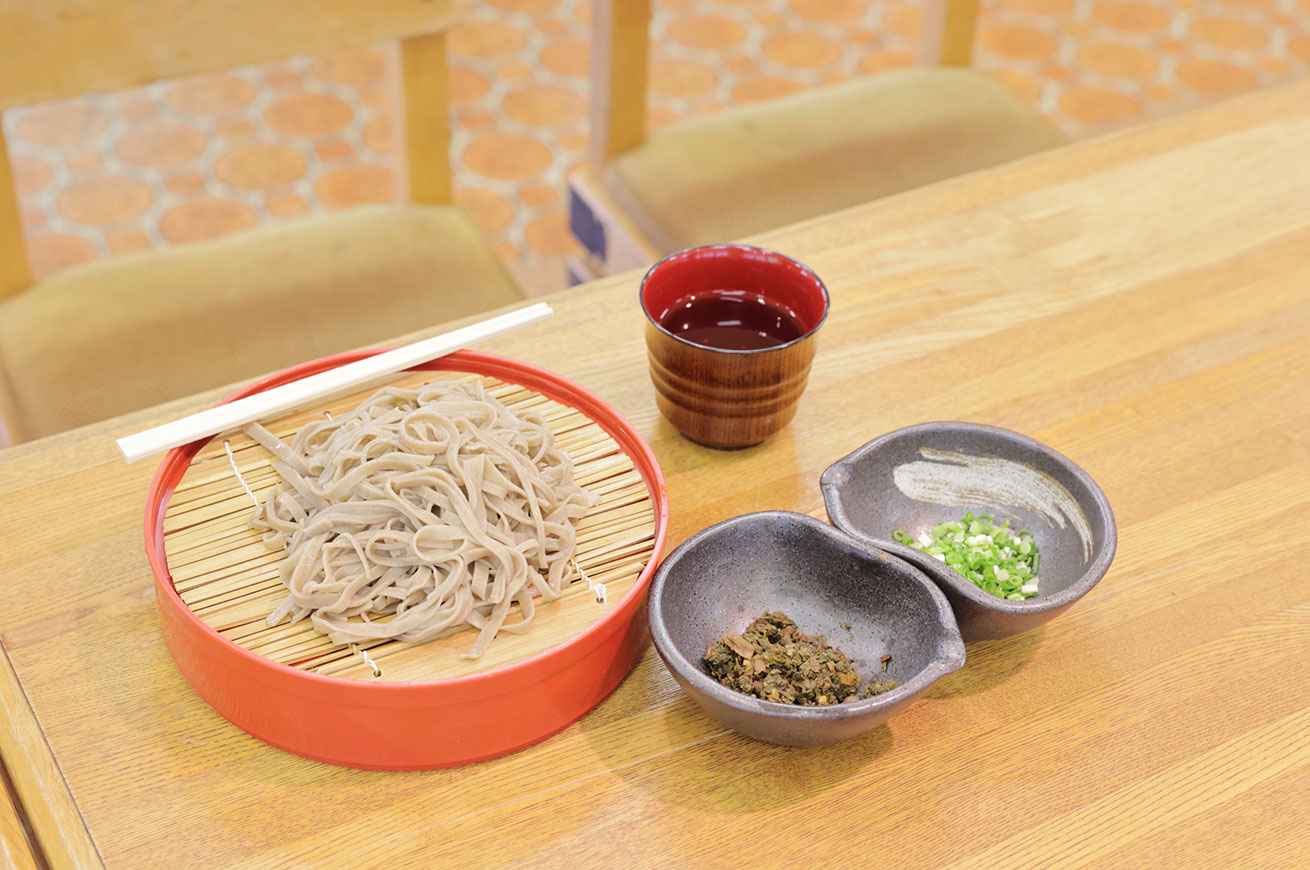
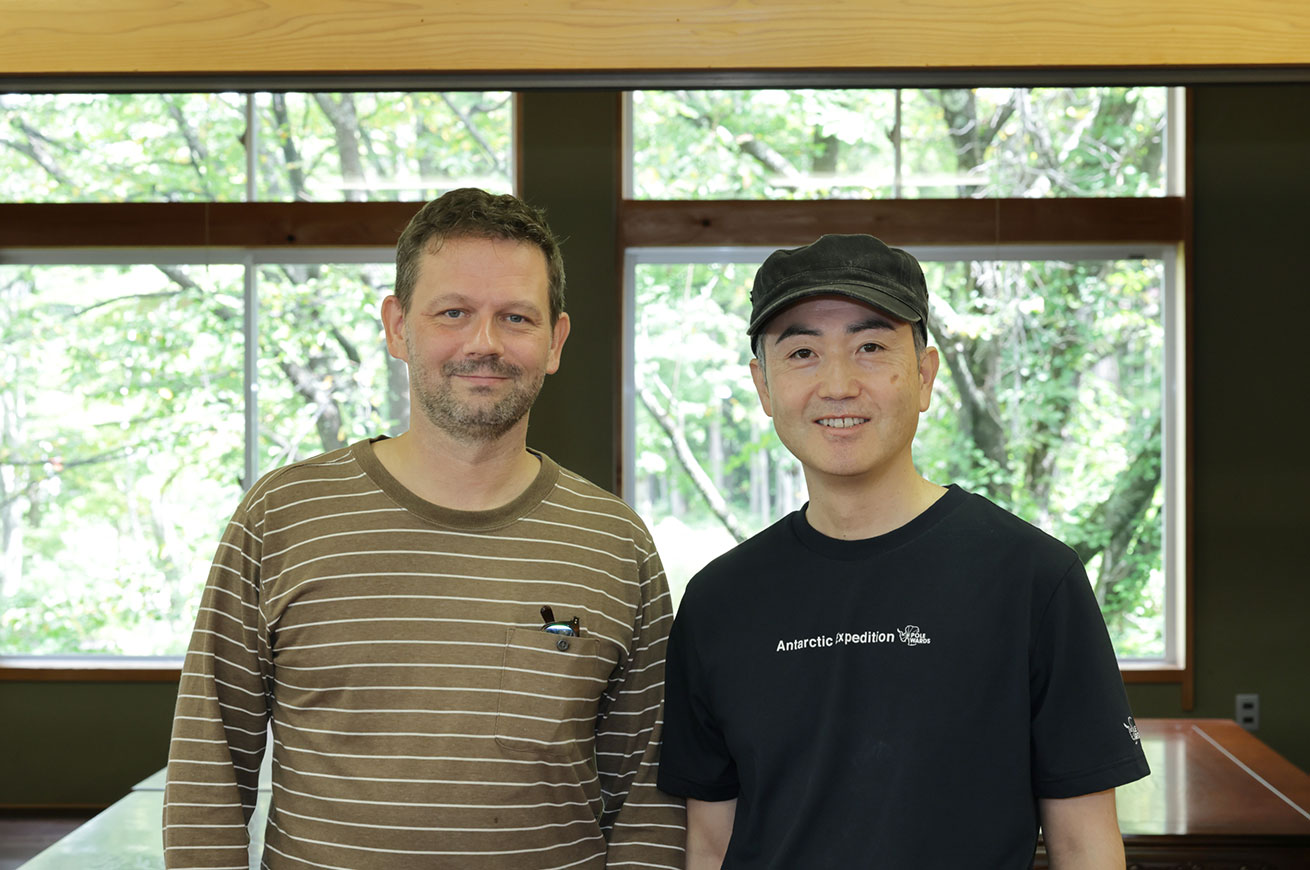
Tachi-Soba and Hinoemata Village
“Hinoemata Village sits deep in the mountains, where the temperature is cooler than in the lowlands and sunlight is limited. Because of the poor soil, rice and wheat could not grow — only buckwheat could be harvested,” explained the soba-making instructor. “In other words, 100% pure soba was not a matter of pride, but simply the result of circumstance. ”Thus, what was once a symbol of hardship for Hinoemata eventually became its claim to fame — a delicious, distinctive soba born out of necessity. I tasted the soba I had made myself for the first time. It was good — but I realized it would take years of practice to reach the level of a true soba master.
Making process of “Tachi-Soba”
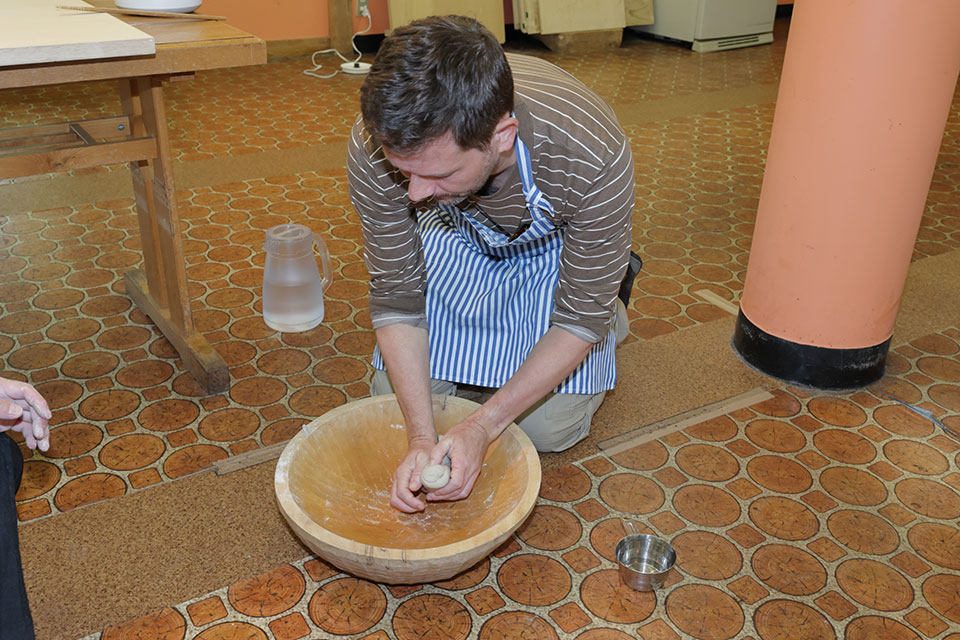 ①Kneading buckwheat flour with hot water.
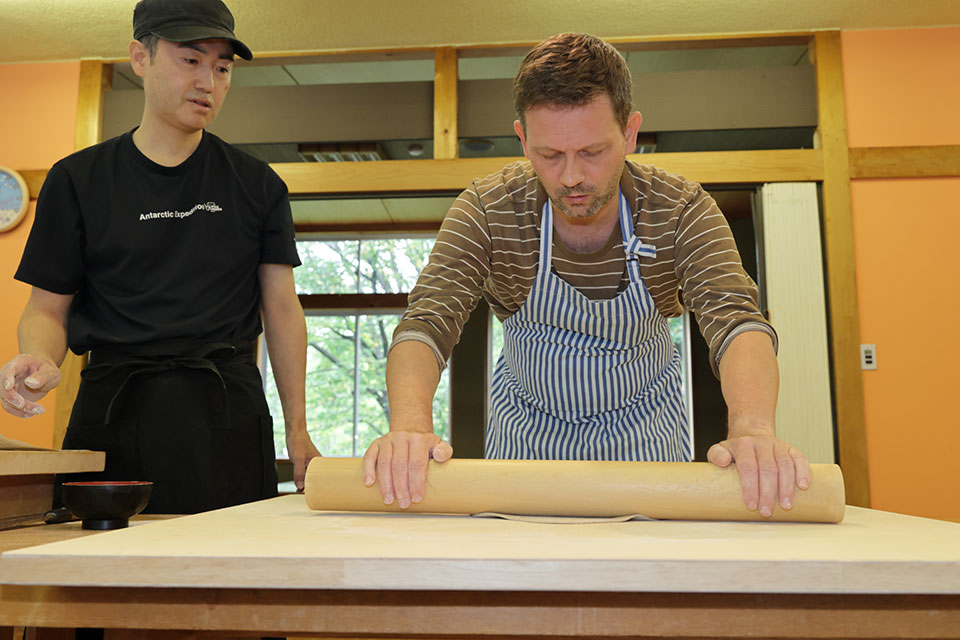 ②Rolling out the dough thinly — like a sheet of fabric
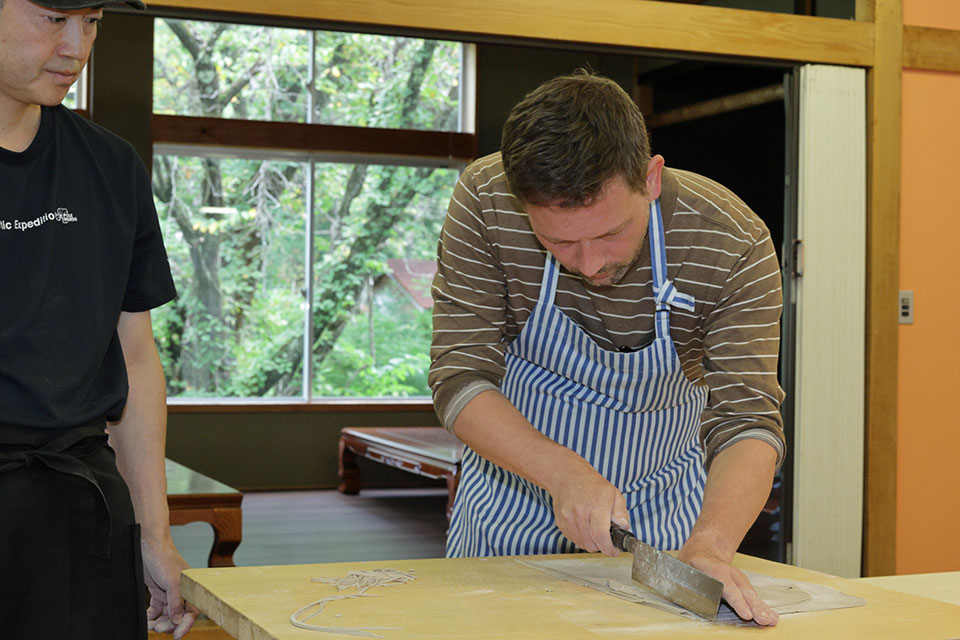 ③Folding the dough and cutting it precisely with a knife.
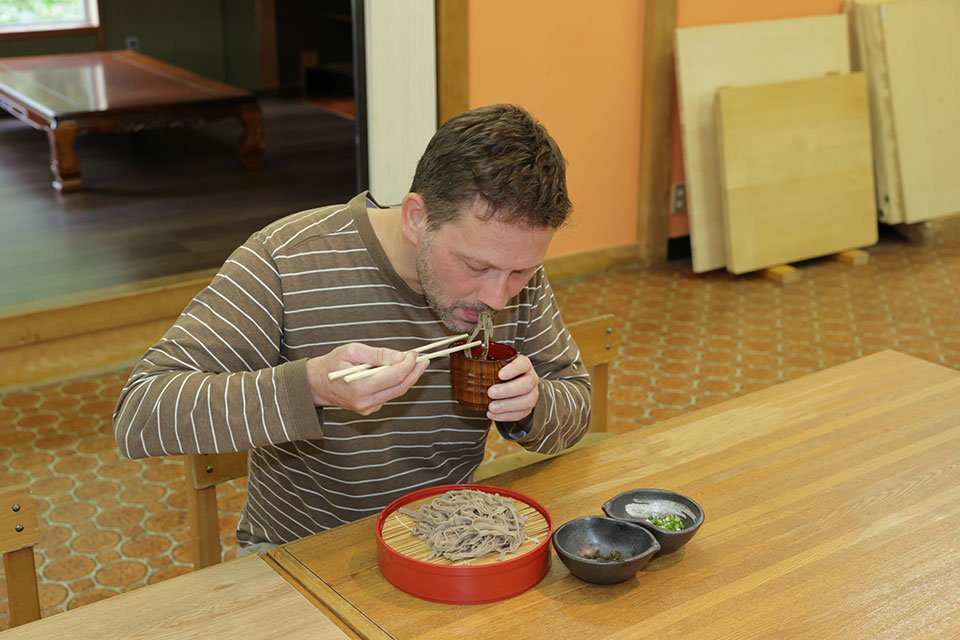 ④Boiled, cooled in water — and it’s ready to serve.
 12:00
12:00
Visiting the Hinoemata Kabuki stage.
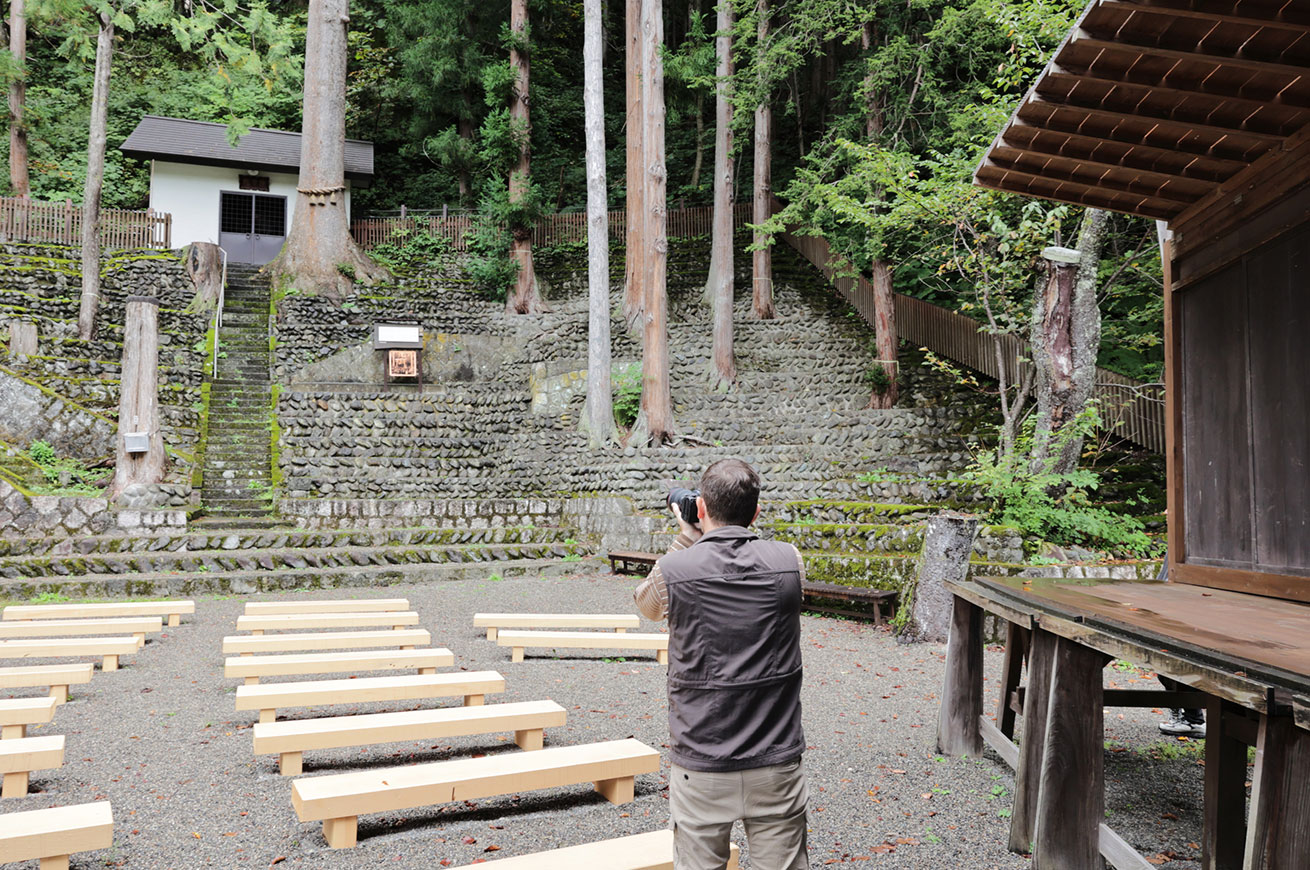
At the end of my journey, I visited an old architectural landmark known as The Hinoemata Stage. Long ago, villagers from Hinoemata, inspired by the Kabuki performances they saw while on pilgrimage to Ise, began to imitate them. They learned from traveling actors and practiced their own choreography, developing what became known as rural Kabuki, performed entirely by the villagers.
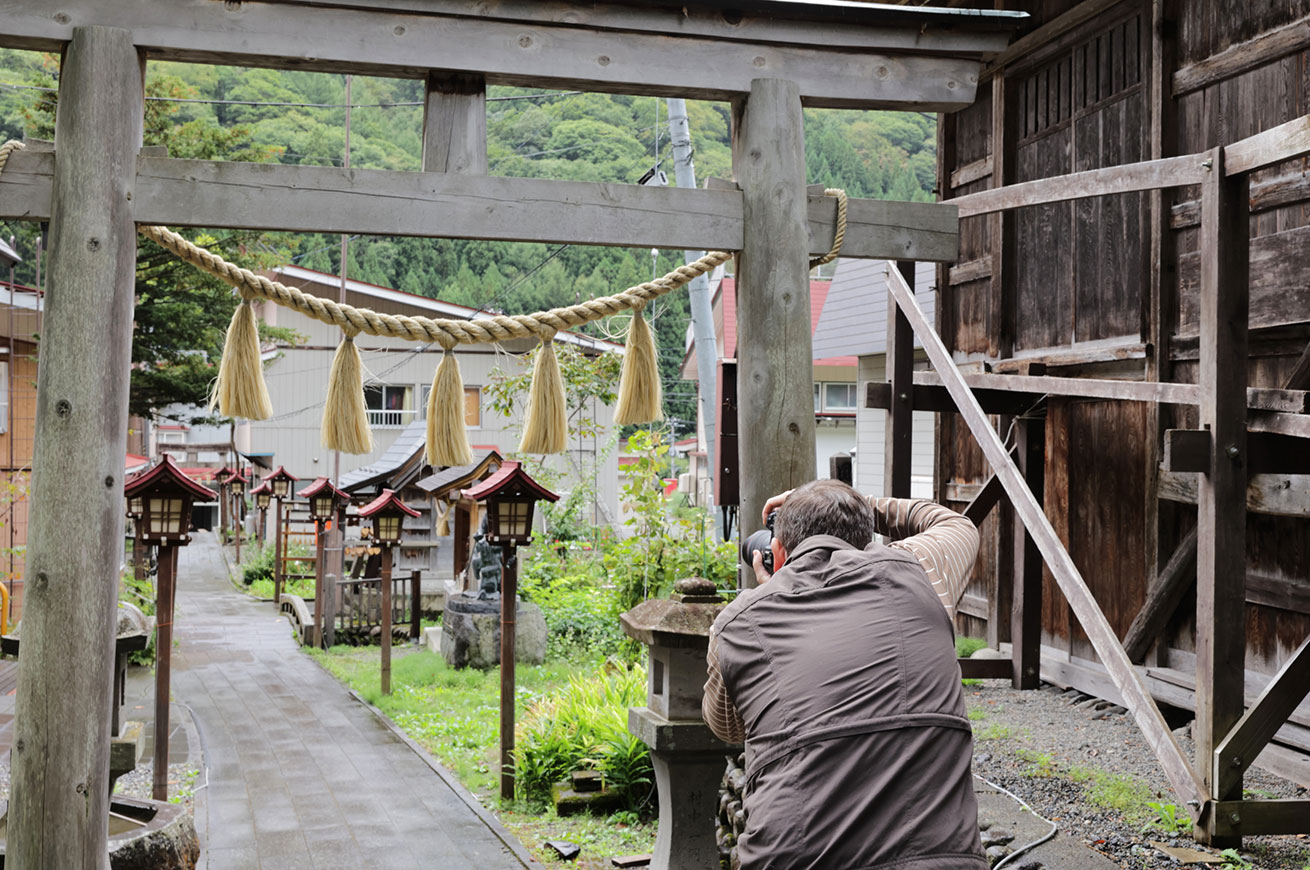
It, too, was likely born from the village’s poverty and the deeply rooted belief that
“you do what you can by yourself.”
Even after modernization brought cars, telephones, and television to Hinoemata, the villagers preserved their traditions.
As a result, while rural kabuki faded from most of northern Japan, this tiny mountain village continues to stage performances well into the 21st century — keeping its living heritage alive.
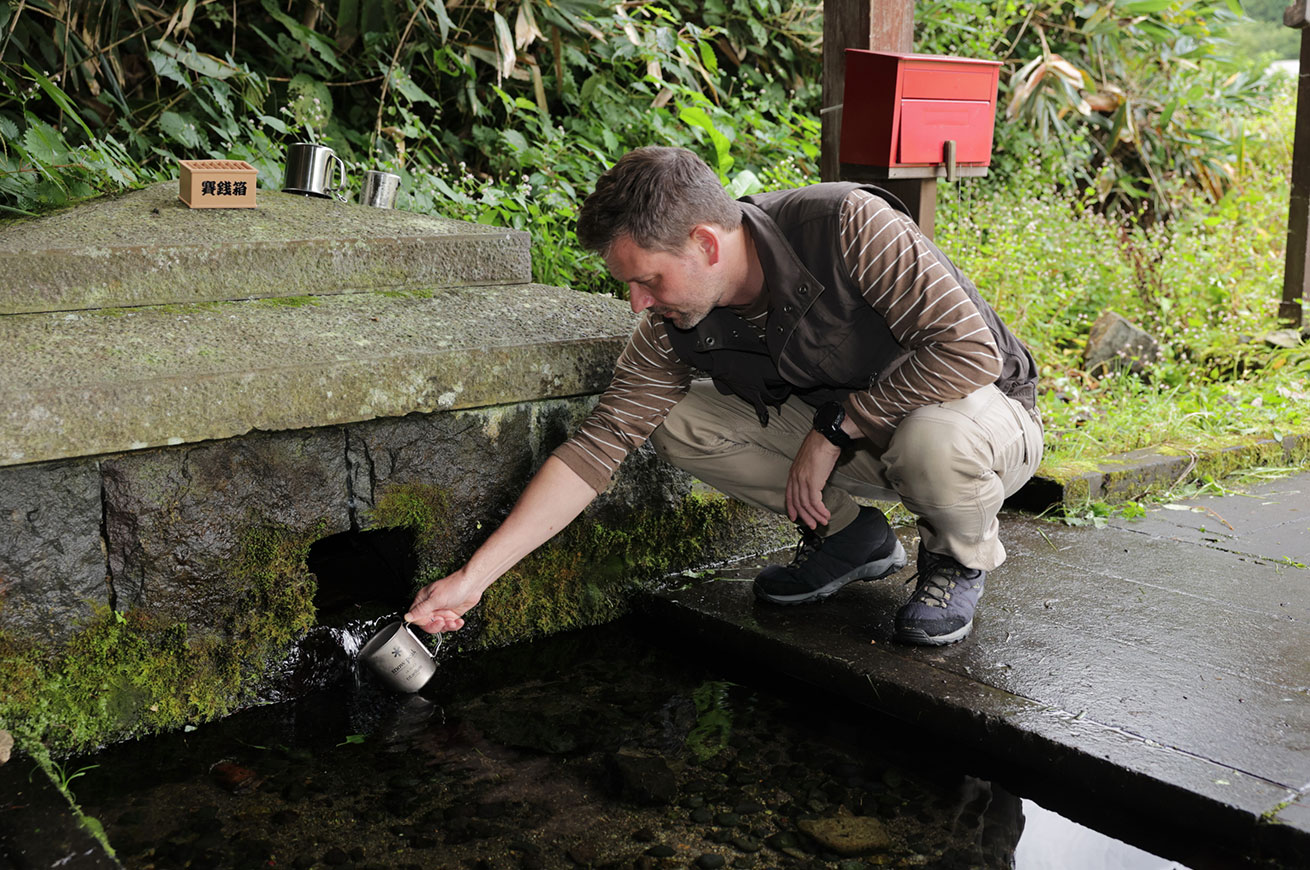
At the end of my journey, I took a sip of spring water. Legend has it that about 950 years ago, a royal prince who fled Kyoto after a failed coup quenched his thirst at this very spring. The water was pure, without the slightest trace of bitterness — just like the spirit of this land. Fishing, hot springs, rain, and whisky water — this entire journey, I realized, had been one deeply connected to water.
Unique Souvenirs of Hinoemata Village
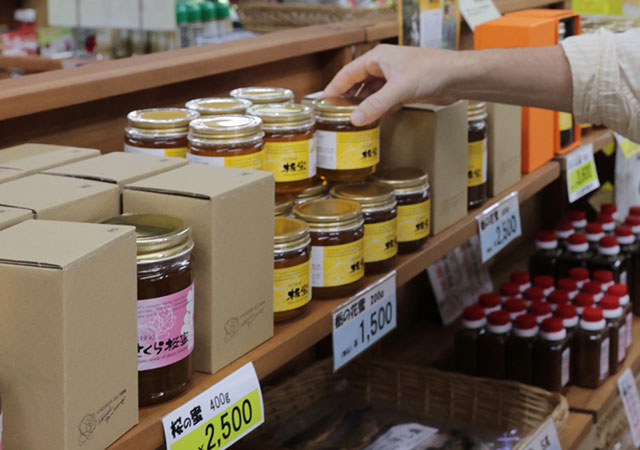 Horse Chestnut Honey
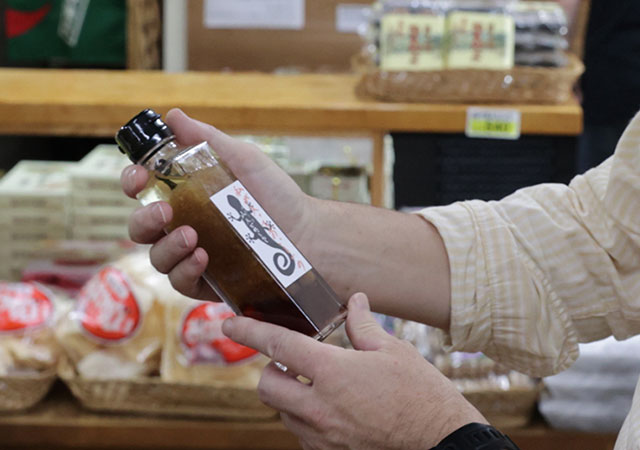 Smoked Salamander Dressing
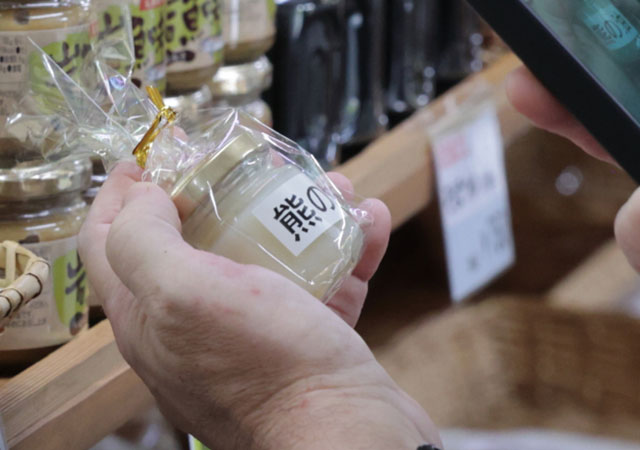 Bear Fat (Kuma no Abura)
Popular souvenirs from Hinoemata include processed foods made from the char (Iwana) fish enjoyed during this trip, as well as the village’s signature tachi-soba noodles. As the area is also known for its fine-quality timber, wooden crafts make excellent gifts too. Personally, I recommend items that can only be found here — such as horse chestnut honey, salamander-smoked dressing, and Kuma no Abura (Bear Fat), which has been used since ancient times in Japan as a natural remedy for burns and chapped skin.

Reflect on the journey
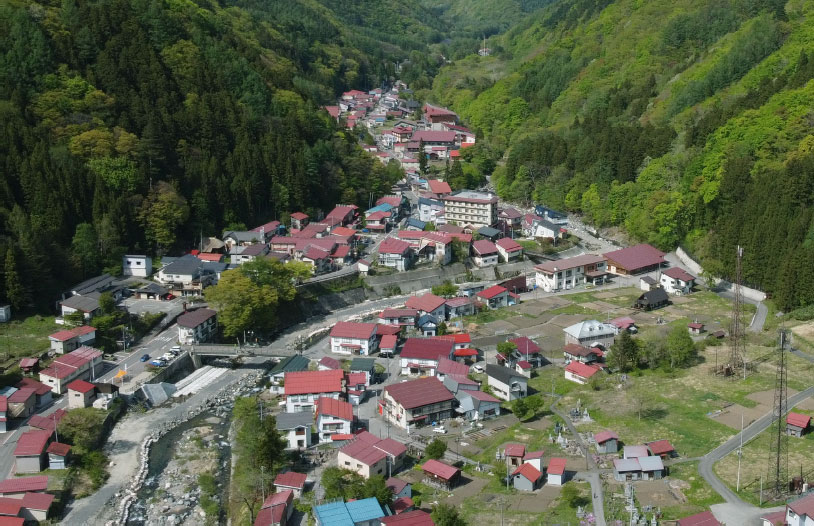
Hinoemata Village is a quiet settlement nestled deep within a mountain valley — far removed from the noise of the city. Japan’s Shinkansen and domestic flights make travel convenient, but for those confident behind the wheel, I highly recommend renting a car from any major station or airport. It allows you to reach places like Hinoemata, where you can experience a way of life still in harmony with unspoiled nature — a reminder that even as a modern nation, Japan cherishes its natural heritage.
 Itenary of the Experience
Day 1
- 10:30
- Fishing

- 14:30
- Hot Spring@ Hiuchi-no-Yu

- 15:30
- Solo Camping & Cooking

Day 2
- 10:00
- Tachi-Soba Making session

- 12:00
- Sightseeing around the Village

5 Tips to enjoy “Hinoemata Village”





My journey @Hinoemata Village
Thanks to the abundant water supply in Oze, all Inns and Ryokans in Hinoemata Village offer hot spring baths. There are also three public baths in the village.